Animals That Live in Mountains: 15 Species Built for High Places
From snow-covered Himalayan slopes to rocky Alpine cliffs and high Andean grasslands, mountains support animals that survive


From snow-covered Himalayan slopes to rocky Alpine cliffs and high Andean grasslands, mountains support animals that survive

Mongooses have a distinctive build: long bodies, short legs, pointed faces, quick movements, and often long tails

Foxes can make some surprisingly human-sounding noises, and a few of them resemble laughter so closely that people

Animals do not need to think like human tricksters to use remarkably deceptive survival tactics. Some sneak close
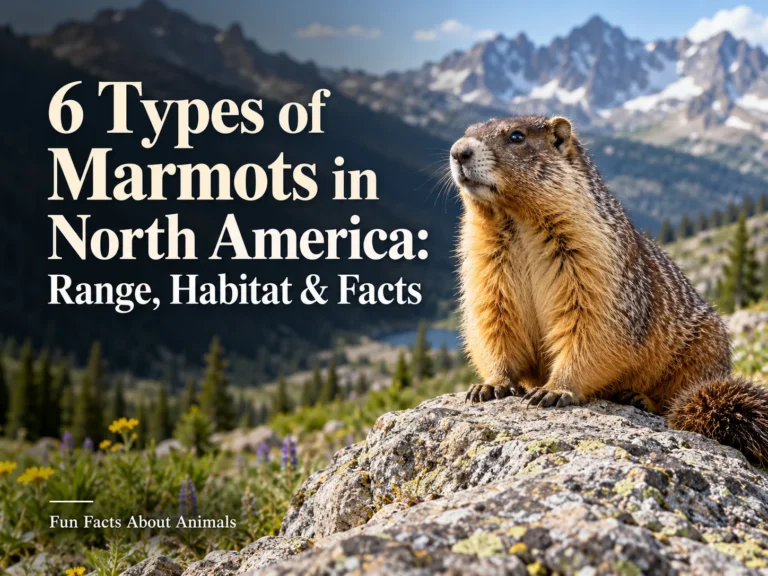
Marmots in North America include six species, from familiar groundhogs in fields and woodland edges to highly specialized
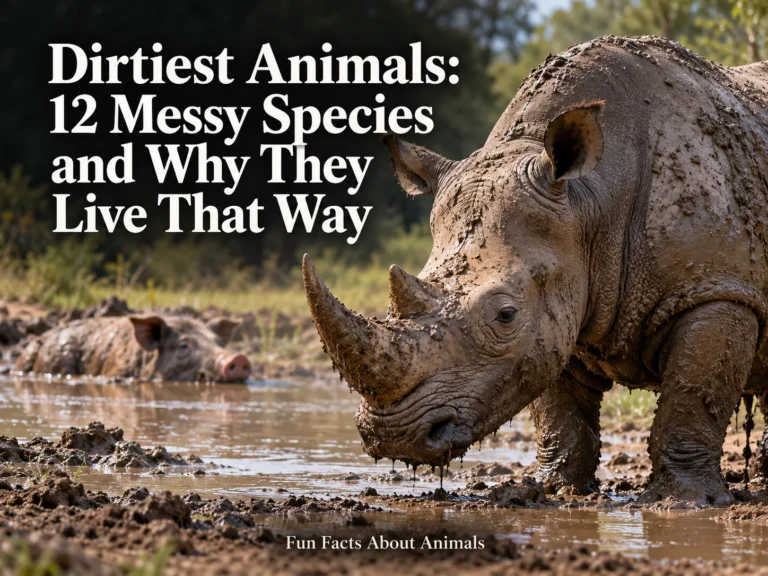
Some animals earn a “dirty” reputation because they roll in mud, handle dung, feed on carcasses, live around waste, carry algae,

Some animals earn a reputation for being humble because they appear gentle, tolerant, cooperative, or reluctant to escalate conflict. Scientifically, however, humility is a human psychological and moral concept rather than a recognized animal-behavior category. Researchers instead study observable traits such as cooperation, affiliation, submission, caregiving, social tolerance, and reconciliation. The animals below display behaviors…

Puerto Rico has diverse tropical wildlife, but the island is not packed with animals that routinely threaten people.

The phrase “deaf animals” sounds simple, but animal hearing is far more complicated than it appears. Some individual animals

Animals do not use soap, showers, or disinfectants, yet many species devote surprising effort to staying clean. Some groom their fur,