Deaf Animals: 15 Examples and How They Sense the World
The phrase “deaf animals” sounds simple, but animal hearing is far more complicated than it appears. Some individual animals

Discover animals through their physical traits and adaptations, from horns, tails, claws, fur, spots, and stripes to unusual body features that help different species survive.

The phrase “deaf animals” sounds simple, but animal hearing is far more complicated than it appears. Some individual animals
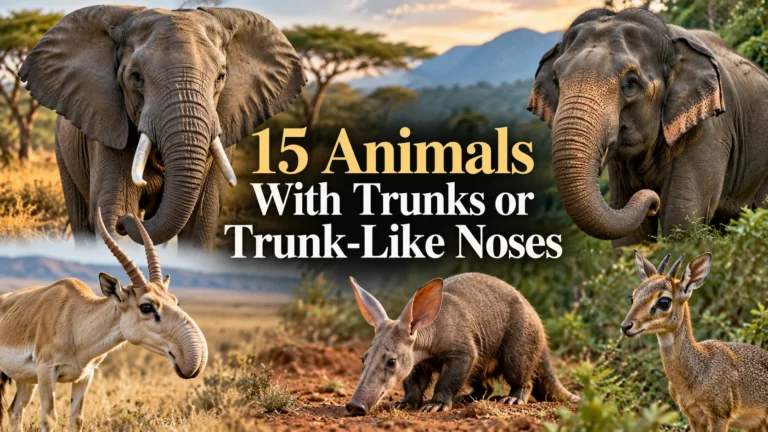
Elephants are famous for their trunks, but they are not the only animals with unusually long or flexible noses.

Animals with 3 toes are more varied than they first appear. Some genuinely have three toes on every foot,
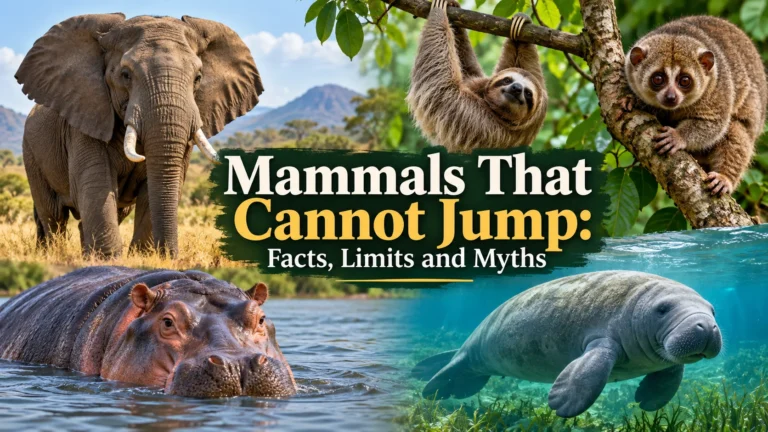
Mammals that cannot jump are more difficult to identify than many online lists suggest. Elephants

Cactus may look like one of the least inviting foods in nature, yet many animals regularly feed on it. Some chew through fleshy pads

Some animals survive through speed, sharp teeth, powerful muscles, or heavy armor. Others seem surprisingly vulnerable by comparison. The phrase “weakest animals” is not a scientific ranking, because weakness can mean many things, including limited strength, slow movement, fragile bodies, or little ability to fight predators directly. What makes these animals interesting is not just…
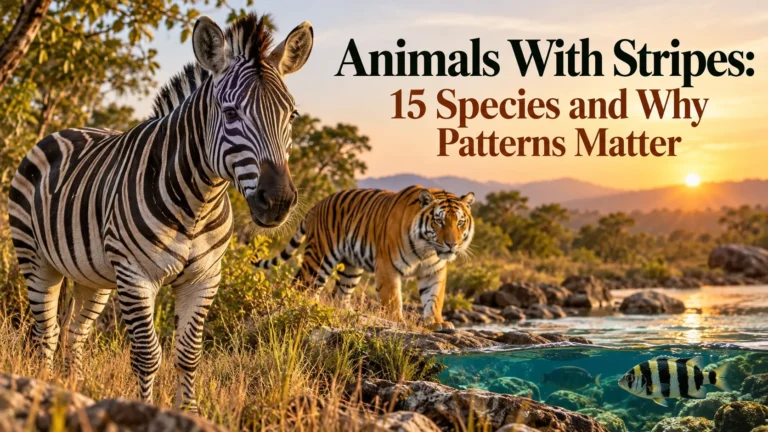
Animals with stripes appear across forests, grasslands, deserts, reefs, and even city gardens. Their markings may run vertically, lengthwise,

Shells are among the most effective protective structures in the animal kingdom. Some animals grow hard coverings
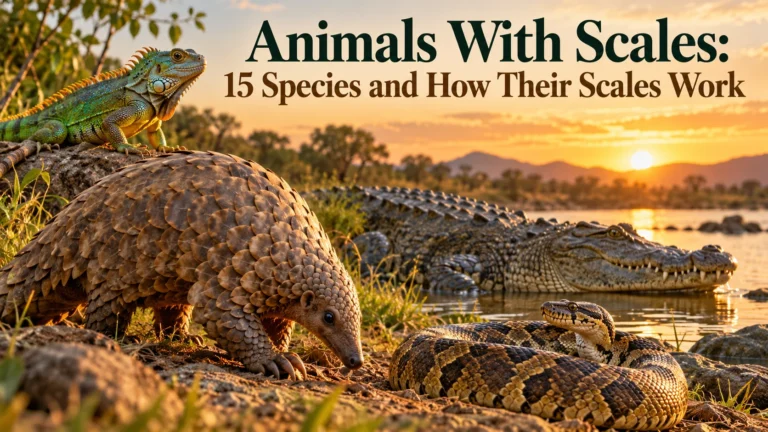
Animals with scales are far more diverse than snakes and fish. Pangolins, sharks, turtles, caecilians, butterflies,

Animals with sharp claws use them for far more than hunting. Big cats rely on curved claws to grip prey; eagles and owls