Why Do Foxes Laugh? What Their Strange Sounds Mean
Foxes can make some surprisingly human-sounding noises, and a few of them resemble laughter so closely that people

Learn how animals communicate, hunt, sleep, interact, protect themselves, raise their young, and respond to changes in their environment through natural behaviors and instincts.

Foxes can make some surprisingly human-sounding noises, and a few of them resemble laughter so closely that people

Animals do not need to think like human tricksters to use remarkably deceptive survival tactics. Some sneak close

Some animals earn a “dirty” reputation because they roll in mud, handle dung, feed on carcasses, live around waste, carry algae,
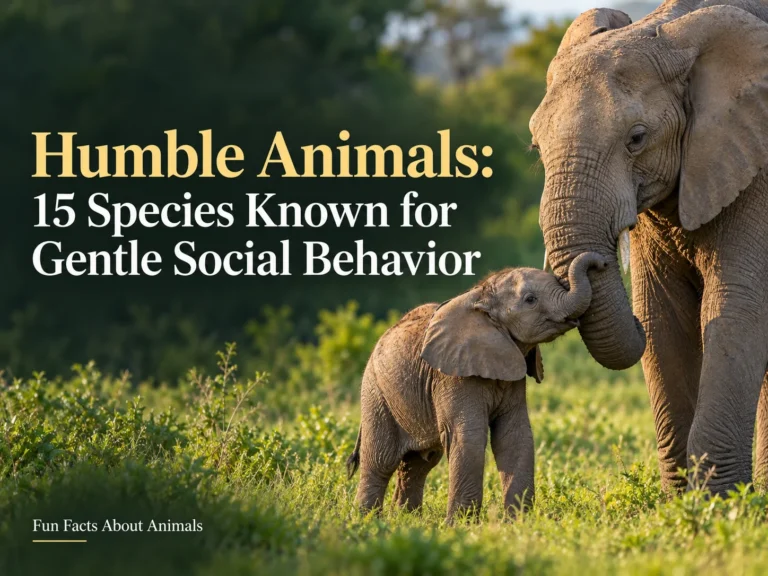
Some animals earn a reputation for being humble because they appear gentle, tolerant, cooperative, or reluctant to escalate conflict. Scientifically, however, humility is a human psychological and moral concept rather than a recognized animal-behavior category. Researchers instead study observable traits such as cooperation, affiliation, submission, caregiving, social tolerance, and reconciliation. The animals below display behaviors…

Animals do not use soap, showers, or disinfectants, yet many species devote surprising effort to staying clean. Some groom their fur,
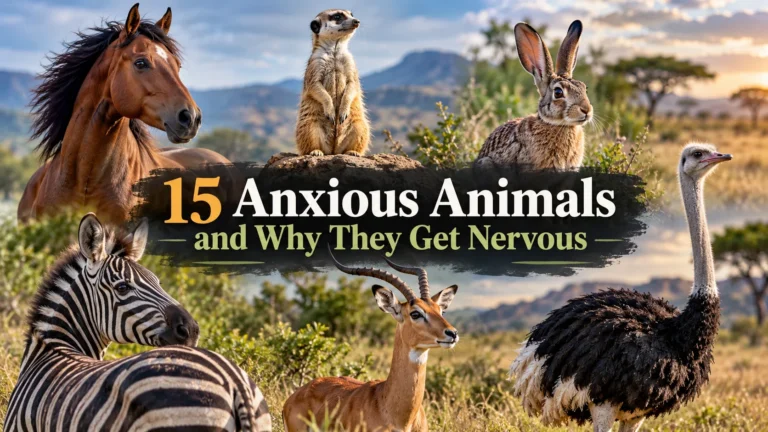
Some animals seem constantly alert, cautious, or ready to run. That does not necessarily mean they experience anxiety in the same
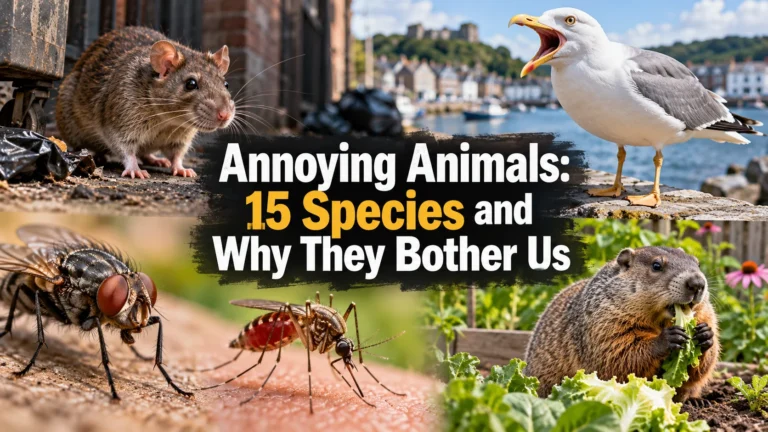
Some animals become difficult neighbors when their natural behavior overlaps with human spaces.

Animals with the lowest IQ are often described in online lists as slow, simple, or unusually poor at problem-solving.

Waddling is one of the most recognizable ways animals move, but not every creature that looks awkward on land is a true waddler.
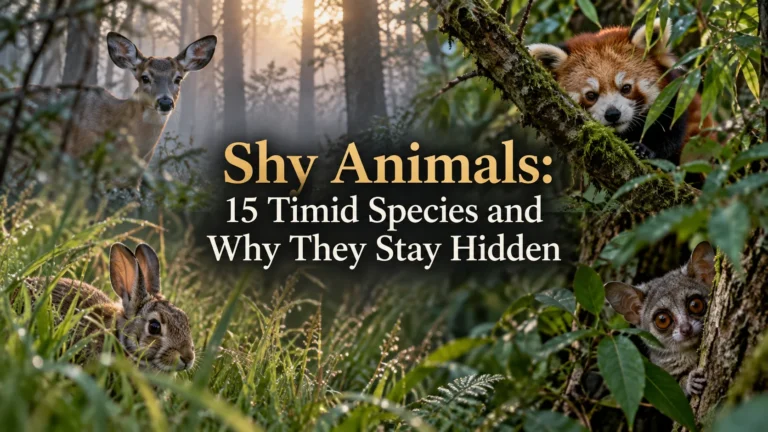
Some animals survive by standing their ground, while others do better by staying unnoticed. Shy animals