Greedy Animals: 15 Animals That Always Seem to Want More
Animals described as greedy are usually showing normal survival behaviors rather than human-style greed. Squirrels, hamsters, ravens, bears, raccoons, hyenas, vultures.

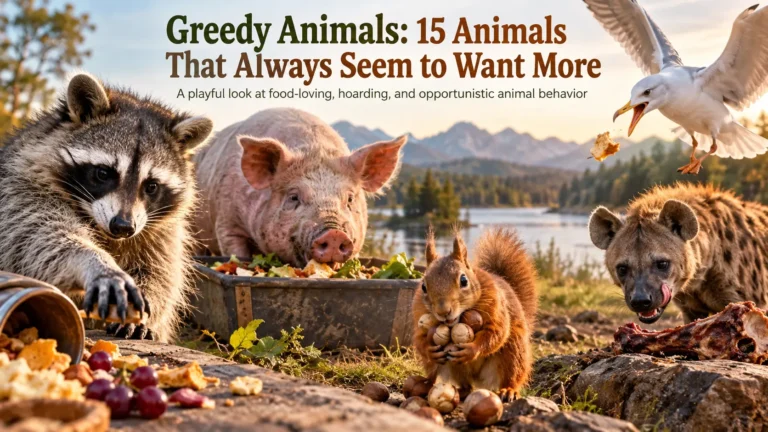
Animals described as greedy are usually showing normal survival behaviors rather than human-style greed. Squirrels, hamsters, ravens, bears, raccoons, hyenas, vultures.
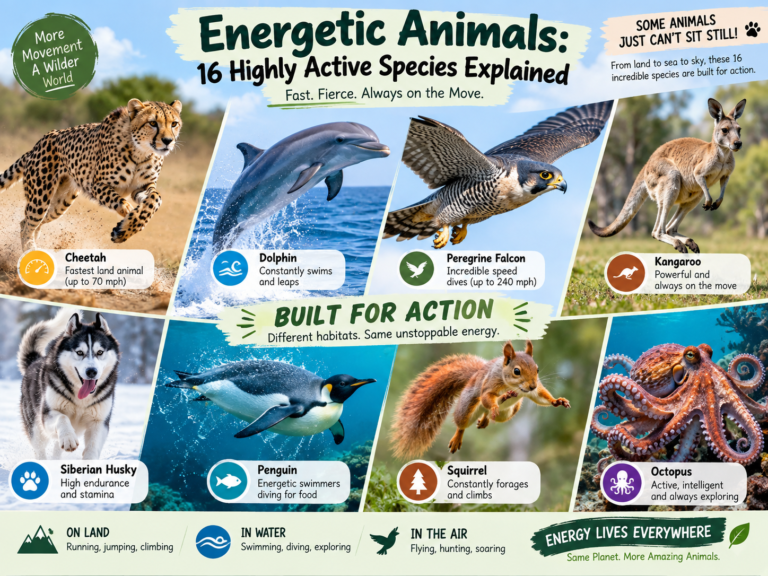
Some animals seem to be in constant motion, but being energetic is more complicated than simply running fast. An animal may spend large amounts of energy on hovering, foraging, migration, long-distance travel, social activity, or short bursts of intense movement. Others combine high metabolic demands with carefully timed periods of rest. The energetic animals below…
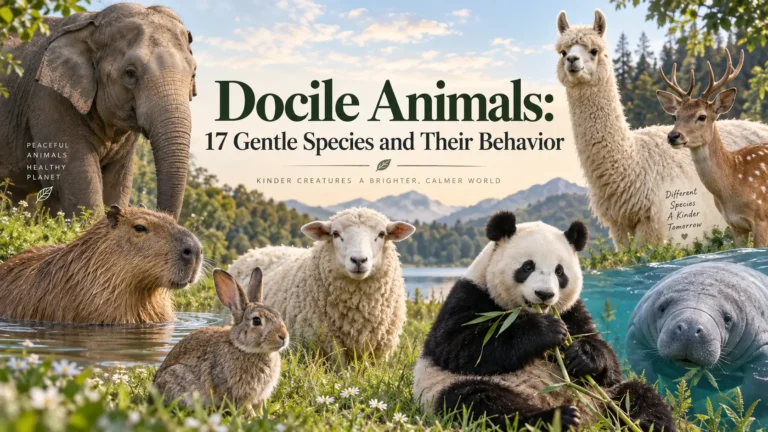
Docile animals are generally calm, manageable, and less likely to respond aggressively during normal interactions. Many domestic species have developed calmer temperaments through generations of selective breeding, while some wild animals are naturally less confrontational. Still, docile does not mean harmless. Individual personality, stress, handling, age, and environment can all change an animal’s behavior. These…

Badgers are powerful digging mammals found across large parts of North America, but their presence in Maine is a different story. The American badger is not considered an established resident mammal in the state, despite occasional questions and reports about possible sightings. Understanding its normal range, preferred habitat, and distinctive appearance can help explain why…
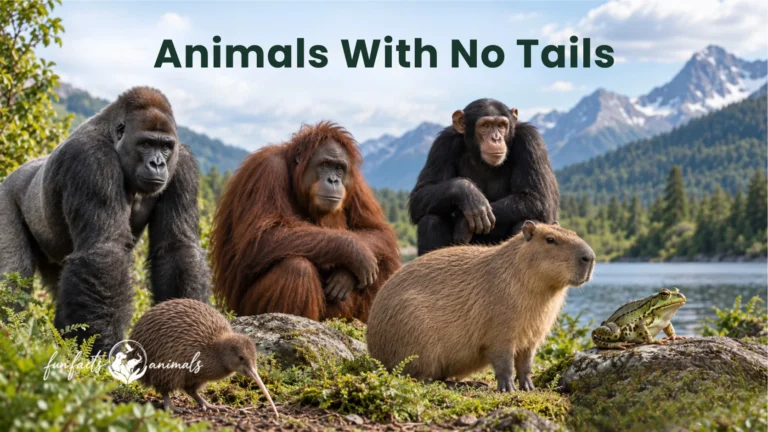
Animals with no tails are more varied than they first appear. Some species, including all living apes, genuinely lack an external tail.
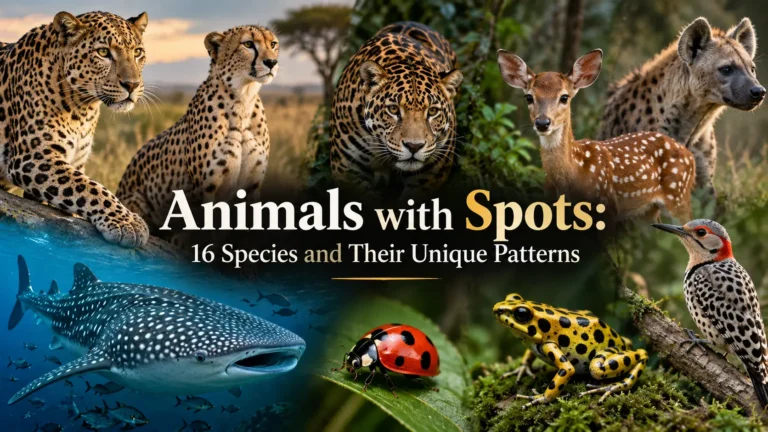
Animals with spots include cheetahs, leopards, jaguars, servals, spotted deer, giraffes, whale sharks, spotted dolphins, salamanders, and ladybirds
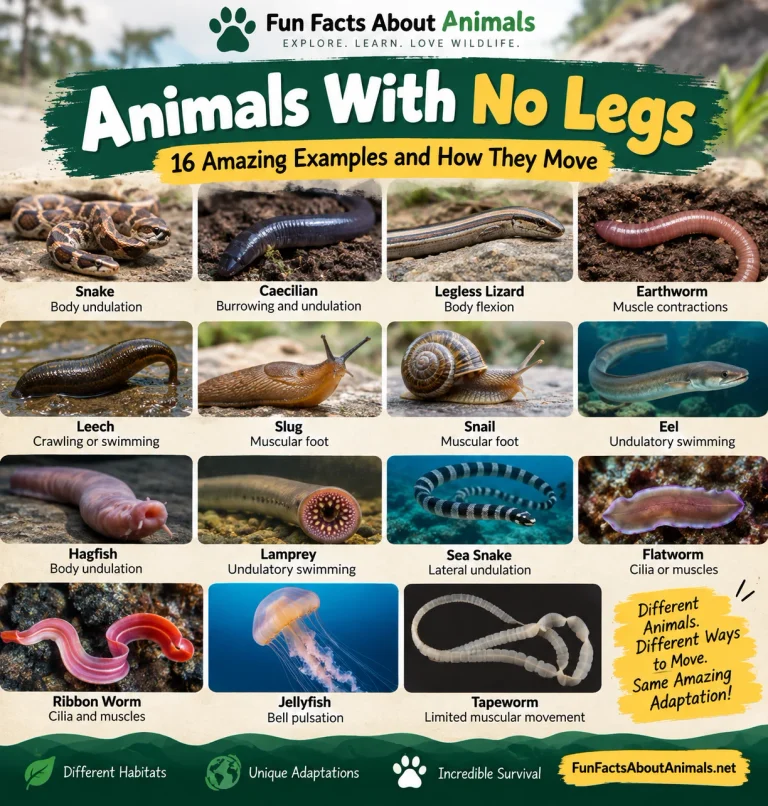
Animals with no legs are far more diverse than snakes. They include reptiles, amphibians, fish, molluscs, worms, and soft-bodied marine animals
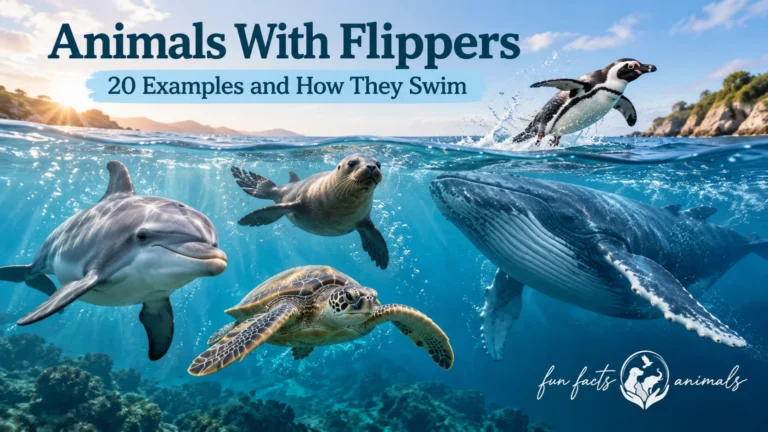
Animals with flippers include some of the most specialized swimmers in the animal world, from whales and dolphins to sea turtles, seals, and penguins.

Animals that eat a lot are not always the biggest animals on Earth. Blue whales and elephants consume enormous amounts of food by total weight, while tiny hummingbirds and shrews can eat surprisingly large amounts compared with their own body size. Diet quality, metabolism, digestion, body size, and feeding strategy all influence appetite. Some animals…