Humble Animals: 15 Species Known for Gentle Social Behavior
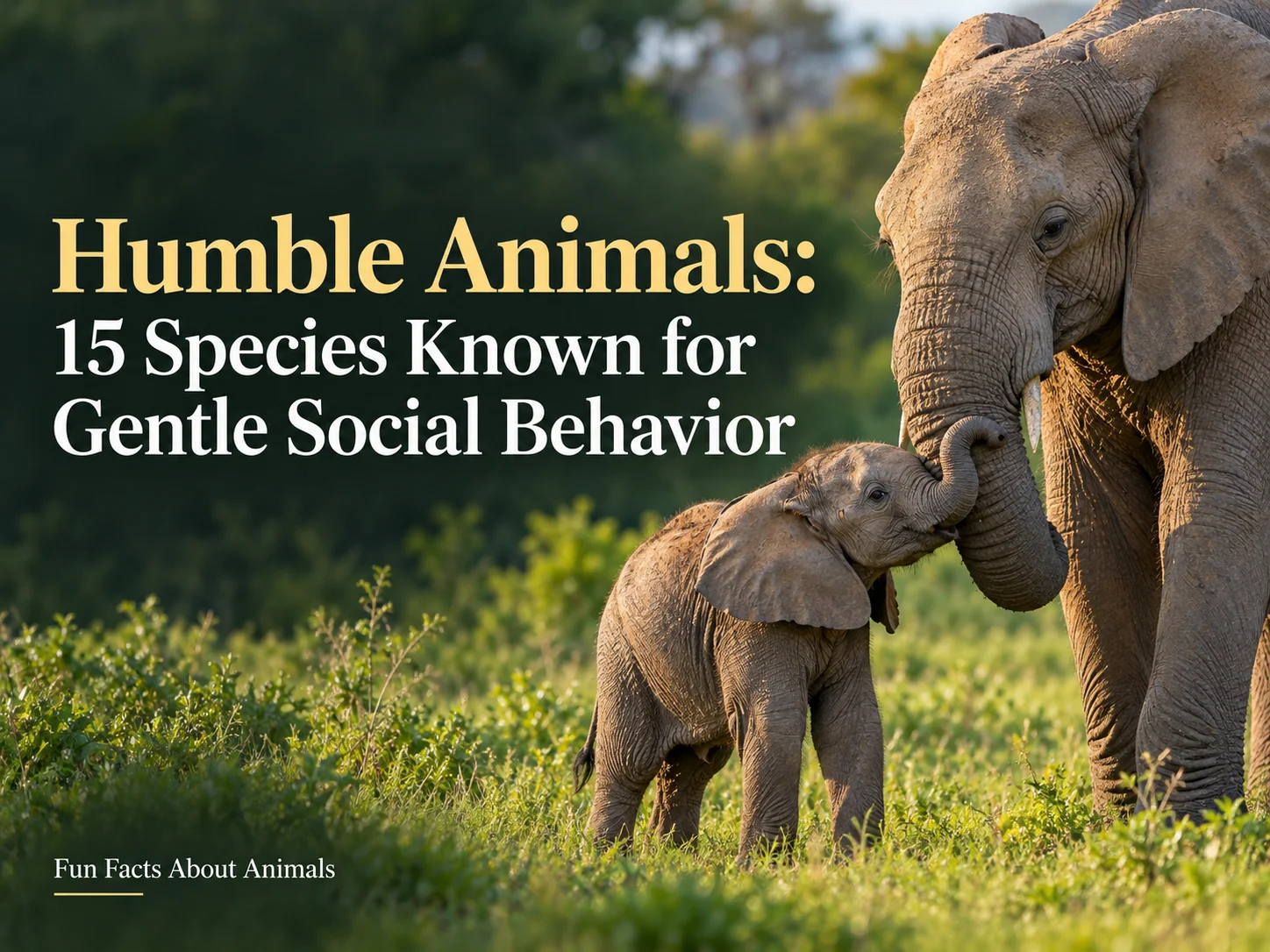
Some animals earn a reputation for being humble because they appear gentle, tolerant, cooperative, or reluctant to escalate conflict. Scientifically, however, humility is a human psychological and moral concept rather than a recognized animal-behavior category. Researchers instead study observable traits such as cooperation, affiliation, submission, caregiving, social tolerance, and reconciliation. The animals below display behaviors that people may interpret as humble-like, although none should be treated as universally peaceful or harmless.
Animals often described as humble include elephants, bonobos, capybaras, horses, cattle, sheep, wolves, dogs, meerkats, dolphins, gorillas, goats, donkeys, mice, and vervet monkeys. Scientists do not classify species by humility, but these animals display cooperation, tolerance, grooming, caregiving, submission, and other behaviors that can create a humble-like impression.
Can Animals Really Be Humble?
Not in the same clearly defined sense that humans use the word. Human humility involves ideas such as modest self-evaluation, reduced self-importance, and attitudes toward one’s own status. Researchers cannot simply observe an elephant, wolf, or capybara and conclude that it possesses that moral concept.
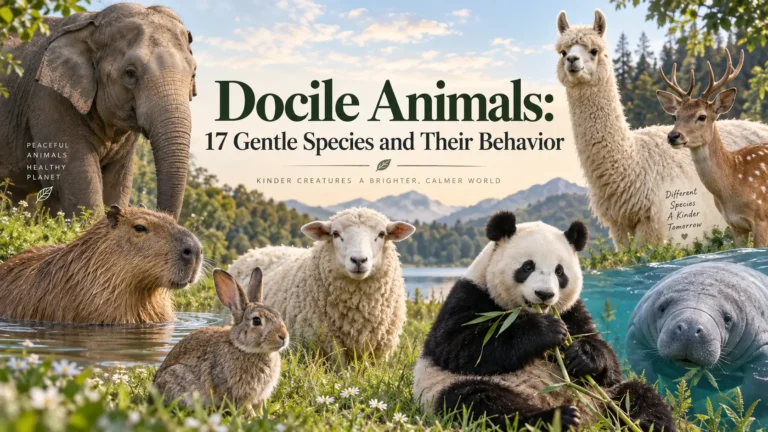
What scientists can observe are behaviors that may look humble to us. An animal may avoid escalating a dispute, accept a lower social position, cooperate with another individual, provide care, or maintain friendly contact through grooming. Some of these traits may also appear in Docile Animals, but docility and humility are not the same thing. These behaviors are related but not interchangeable.
| Behavior | What It Means |
| Social tolerance | Allowing others nearby with relatively little aggression |
| Cooperation | Coordinating behavior with another individual |
| Affiliation | Friendly social contact or close association |
| Submission | Signaling lower status or reducing conflict |
| Caregiving | Supporting or assisting another individual |
So throughout this article, “humble” is best understood as a human description of observable social behavior, not a scientific personality ranking.
15 Humble Animals and the Behaviors Behind Their Reputation
These species show different forms of cooperation, tolerance, affiliation, submission, or caregiving. None is peaceful in every situation, but each demonstrates behavior that can reasonably create a humble-like impression.
1. Asian Elephant
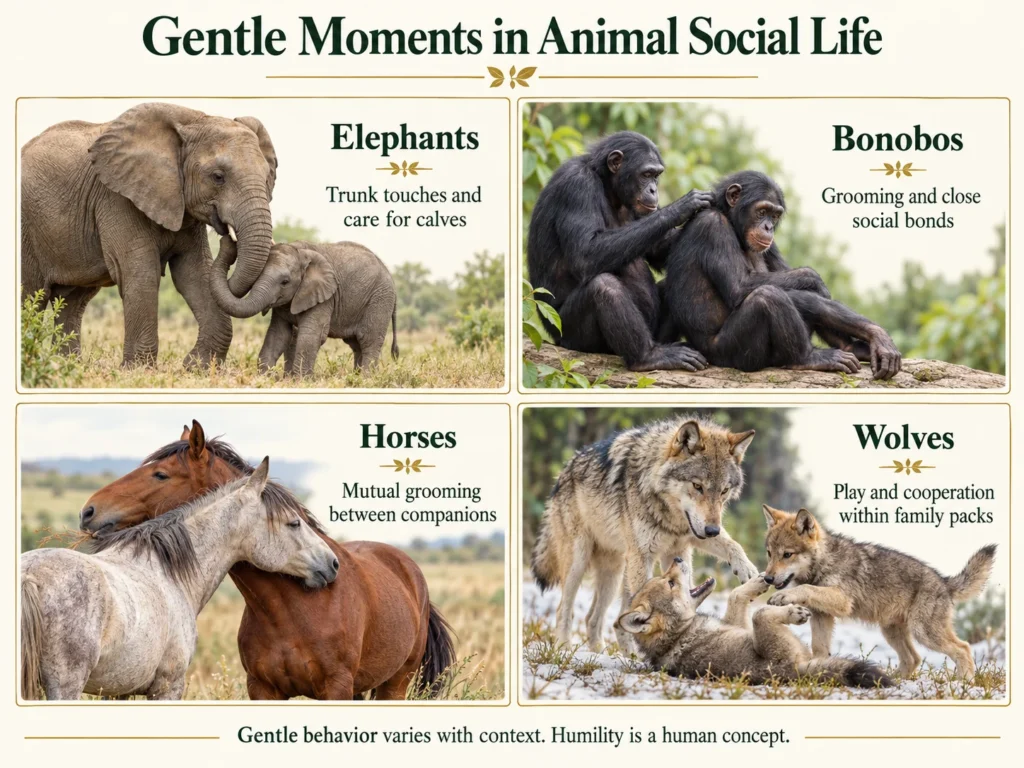
Asian elephants are often included among humble animals because they are highly social and capable of sophisticated cooperation. In controlled tasks, elephants can coordinate with partners and even wait when another elephant is needed to complete a shared problem. They also direct affiliative contact toward distressed companions, including touching and vocal interaction. These behaviors can look compassionate or humble to people, although elephants still maintain social hierarchies and can become highly defensive when necessary.
2. Bonobo
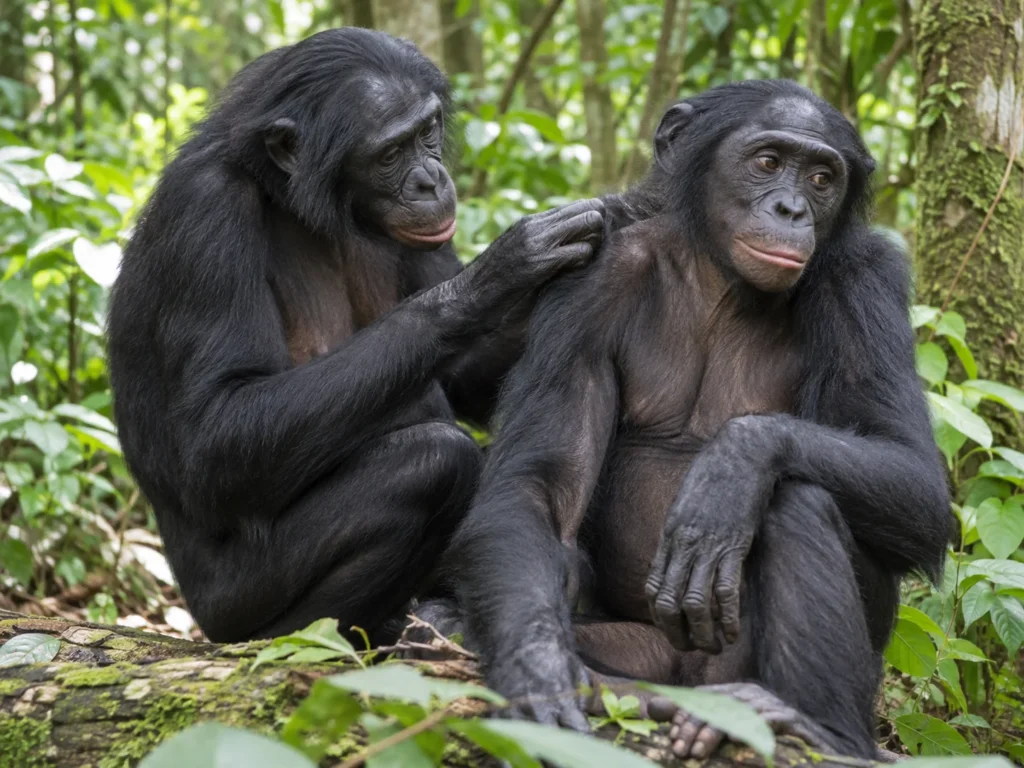
Bonobos are often described as humble animals because they are well known for grooming, food sharing, cooperation, and other affiliative interactions. In some populations, friendly contact and cooperation can even occur between members of different social groups. That does not mean bonobos are universally peaceful. Competition and aggression still occur, and tolerance varies with context. Their reputation for humility is better connected to their unusually rich cooperative and affiliative behavior than to an absence of conflict.
3. Capybara
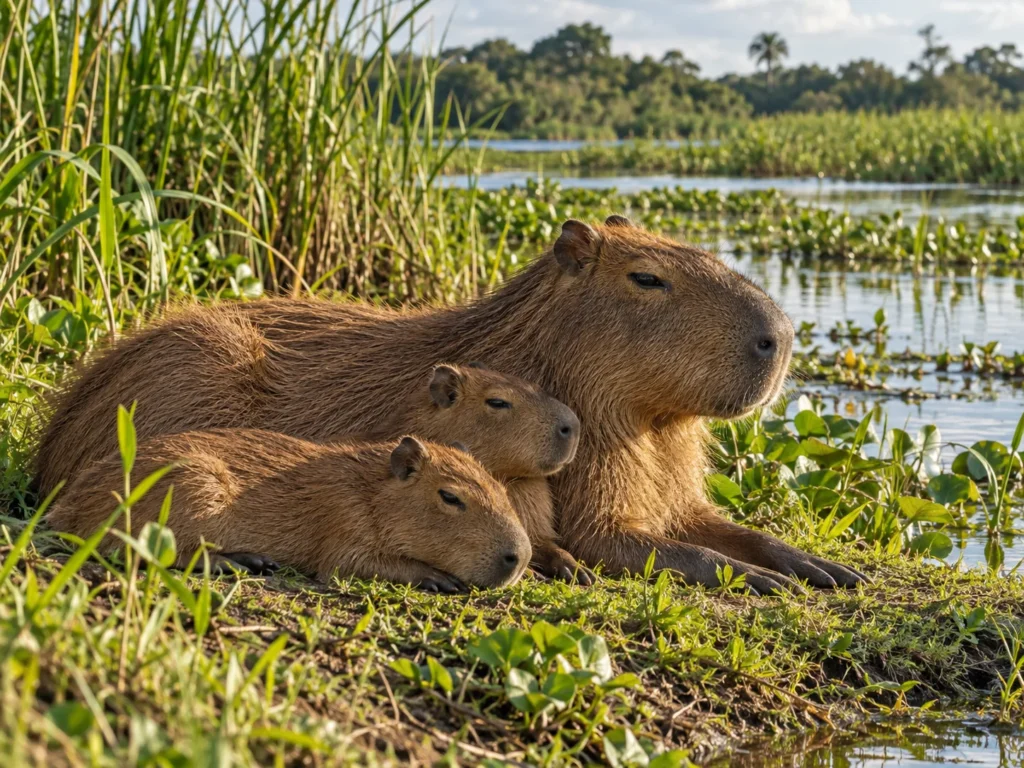
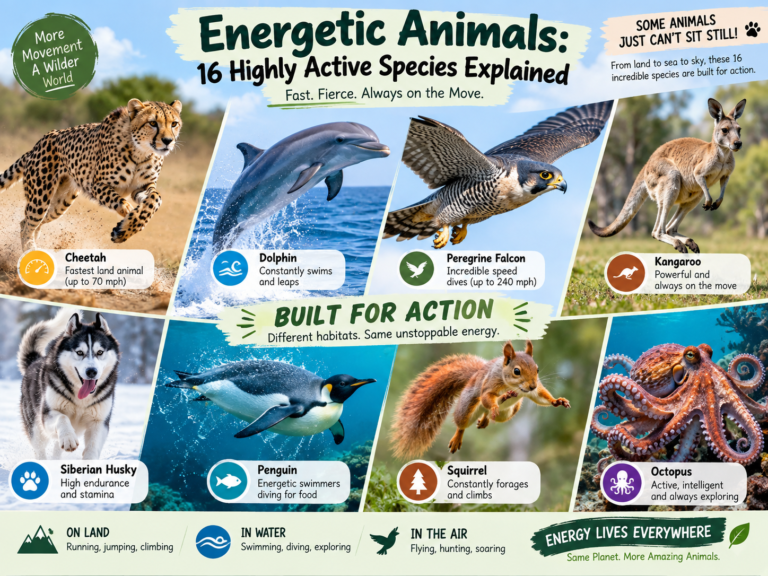
Capybaras are frequently portrayed as humble animals because they have become internet symbols of calmness, but their actual behavior is more complicated. They live in stable social groups and spend much of their lives close to other capybaras. Although they are not usually grouped with Energetic Animals, they can still be active swimmers and move quickly when threatened. Their group tolerance can make them appear remarkably relaxed. However, capybaras also maintain dominance relationships, and males may compete or defend access to resources. Their humble reputation is therefore best linked to social group living rather than the idea that they peacefully accept every animal they encounter.
4. Horse
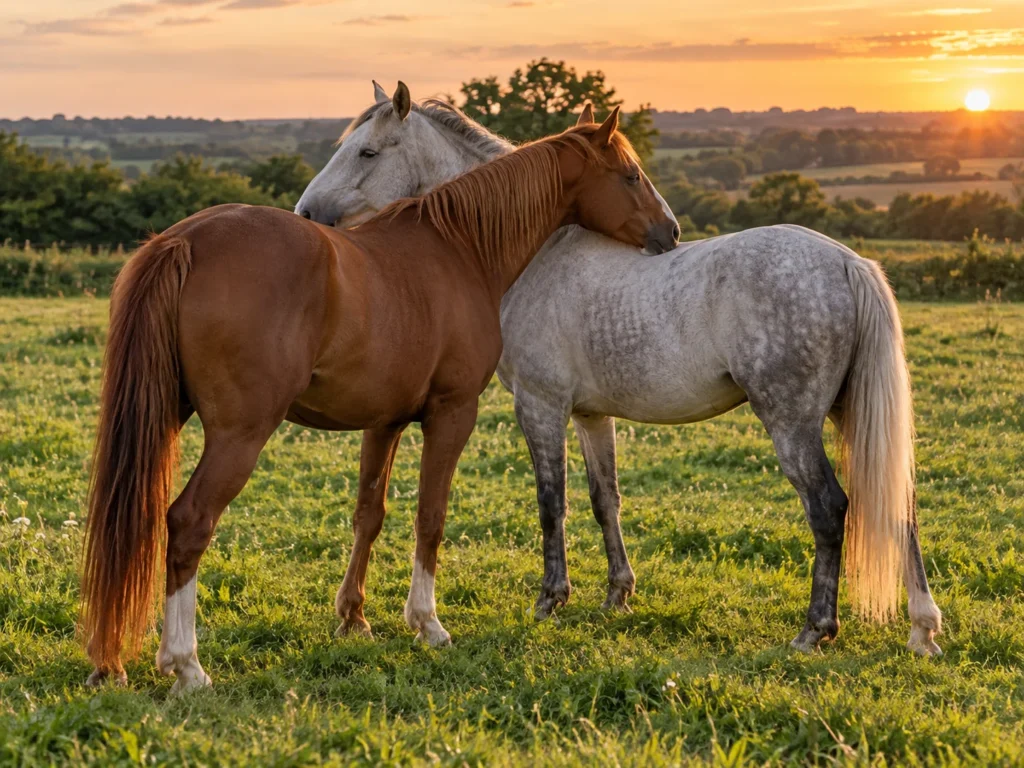
Horses are sometimes viewed as humble animals because they form strong social relationships and often develop preferred companions. Friendly interactions can include approaching one another, resting nearby, and mutual grooming. This grooming is more than simple coat care; it can help maintain social bonds and reduce tension. Horses also have clear hierarchies, so their affiliative behavior should not be confused with universal submission. Their humble-like reputation fits best with the quiet social bonds they maintain within familiar groups.
5. Cattle
Cattle are sometimes counted among humble animals because they are more socially complex than their calm appearance may suggest. They form differentiated relationships with particular herd members and regularly engage in allogrooming, in which one animal licks or grooms another. These interactions can strengthen social connections and contribute to group stability. Cattle still compete and establish dominance relationships, but their repeated affiliative behavior shows that herd life depends on much more than simple rank.
6. Sheep
Sheep are often described as humble animals because they rely heavily on flock relationships. They recognize and associate with familiar individuals, maintain social bonds, and can benefit from the presence of trusted companions during stressful situations. Their traditional reputation for meekness can be misleading because sheep also have dominance hierarchies and may compete. What makes them relevant here is not supposed obedience, but the importance of affiliation, social support, and group cohesion in their daily lives.
7. Wolf
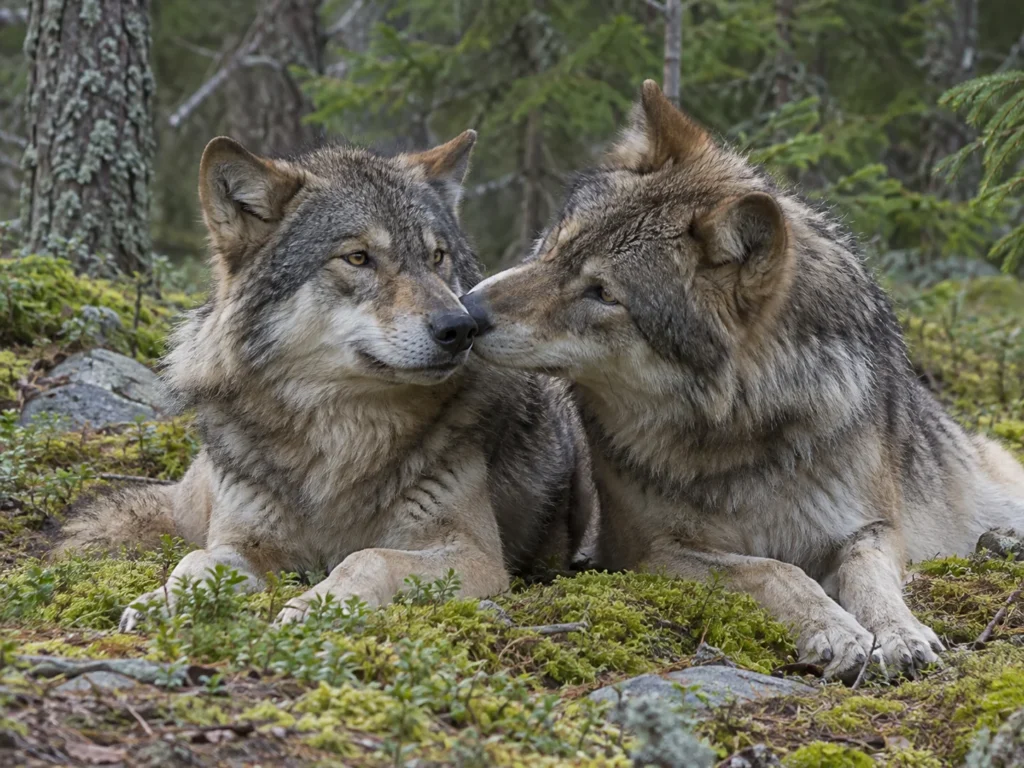
Wolves are sometimes placed among humble animals, but they also provide one of the clearest examples of why humility and submission should not be treated as the same thing. During greetings, a wolf may lower its body, hold its ears back, wag its tail low, or direct licking toward another wolf’s muzzle. These behaviors can signal active submission, friendliness, or reduced social tension. They help wolves maintain relationships within a highly social group, but they are behavioral signals rather than evidence that a wolf consciously understands humility.
8. Domestic Dog
Dogs are often included among humble animals because they use body language that can reduce tension during social interactions. Depending on context, this may include lowering the body, turning the head, licking the nose, moving the tail low, or avoiding confrontation. Although some dogs may sometimes appear similar to Greedy Animals when competing over food or valued resources, resource-seeking behavior is different from their appeasement signals. These behaviors should not be translated into a simple emotional dictionary, but they demonstrate how dogs can manage interactions without immediately escalating conflict.
9. Meerkat
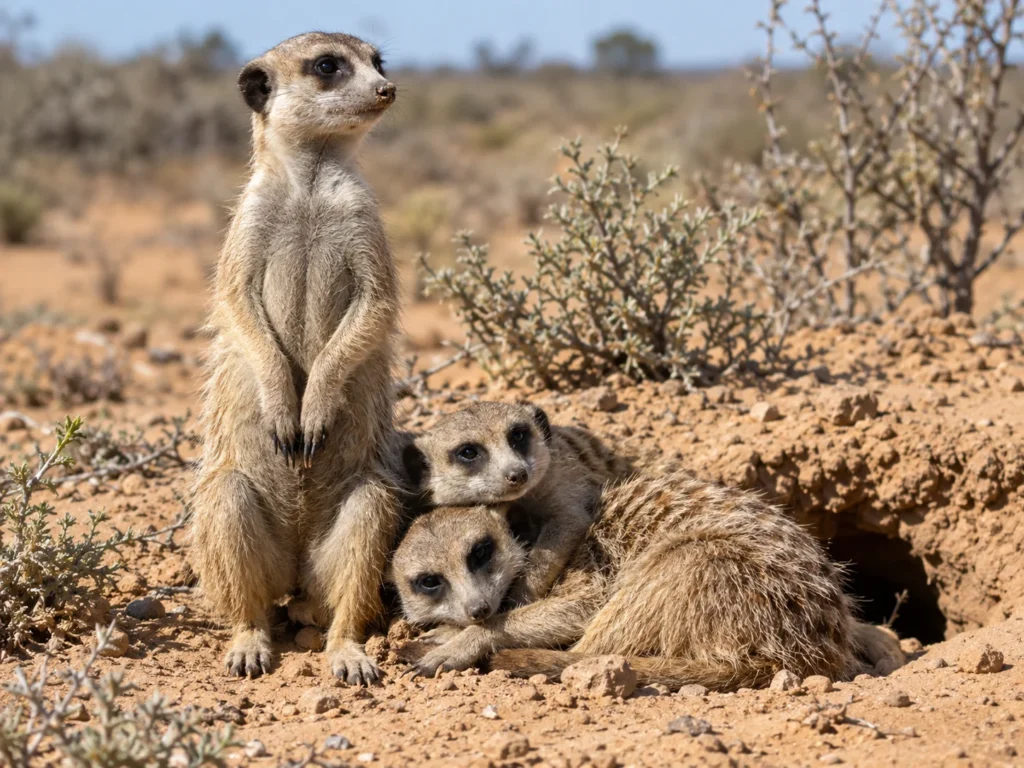
Meerkats are often viewed as humble animals because they show humility-like behavior through cooperation rather than submission. Their groups rely on individuals contributing to activities that support others, including babysitting young, helping feed pups, and participating in sentinel behavior. Not every meerkat contributes equally, and competition still exists within groups. Even so, their cooperative social system shows how individual animals can repeatedly perform behaviors that support relatives and the wider group.
10. Bottlenose Dolphin
Bottlenose dolphins are sometimes described as humble animals because they form complex social relationships and can cooperate in highly coordinated ways. Some populations maintain long-term alliances in which individuals repeatedly work with particular partners. Their social intelligence can create an impression of harmony, but dolphins should not be portrayed as universally kind or gentle. Competition, aggression, and coercive behavior are also documented. Their place on this list comes from sophisticated cooperation, not from being peaceful in every interaction.
11. Mountain Gorilla
Mountain gorillas are sometimes included among humble animals because they can form strong affiliative relationships based on familiarity, kinship, and previous social experience. Individuals that share stronger relationships may remain closer together and show greater tolerance. Interactions between gorillas can still include dominance and aggression, particularly when social or reproductive interests conflict. Their gentle reputation therefore needs context: gorillas can show considerable tolerance and affiliation while still being powerful animals capable of defending themselves.
12. Goat
Goats can also be considered humble animals in everyday descriptions because they live within structured social groups that include both competition and friendly interaction. They can form preferred associations, stay near familiar companions, and use affiliative contact to maintain relationships. Grooming and close social contact may contribute to group cohesion even when hierarchy remains important. Goats therefore demonstrate a recurring theme among humble-like animals: friendly social behavior can exist alongside rank and competition.
13. Donkey
Donkeys are sometimes described as humble animals because they can form stable social relationships and strong preferred partnerships. Familiar companions may remain close together, and separation from an established partner can influence behavior. They are also frequently grouped with Stubborn Animals, although their cautious nature is often better explained by careful risk assessment than simple refusal to cooperate. Obedience should not be mistaken for humility either. A stronger reason to include donkeys is their ability to maintain lasting affiliative bonds with familiar individuals.
14. Mouse
Mice provide one of the more surprising examples among humble animals. Experimental research has shown increased affiliative grooming toward companions that have experienced distress. This behavior is sometimes described as consolation-like because physical contact appears directed toward the distressed individual. Researchers remain careful about assigning human emotional motives, but the behavior demonstrates that even small rodents can respond socially to the condition of another group member.
15. Vervet Monkey
Vervet monkeys are another example among humble animals because they use grooming as an important social tool. Grooming helps maintain relationships between group members and can influence how tolerant individuals are toward one another afterward. Experiments have shown that previous grooming can increase social tolerance during proximity around valuable resources. This makes vervet monkeys a useful example of how friendly interaction can help reduce tension without eliminating hierarchy or competition.
Humble Behavior vs Submission
Humility and submission are not the same thing. Human humility involves a psychological understanding of one’s own importance or status. Submission is an observable behavior that communicates social position or helps prevent conflict from escalating. A wolf lowering its posture during a greeting is therefore better described as showing submission or affiliation than as proving it possesses humility. Likewise, grooming between cattle is affiliative behavior, while cooperative babysitting in meerkats is a form of cooperative care. The word “humble” can be useful in everyday language, but the actual behavioral category should remain clear.
Does Being Gentle Mean an Animal Is Harmless?
No. Gentle, cooperative, or tolerant behavior does not mean an animal lacks aggression. Elephants may console companions yet strongly defend calves. Wolves use submission signals within their packs but also hunt and compete. Capybaras maintain stable groups while still having dominance disputes, and dolphins can cooperate closely while engaging in aggressive competition.
Animal behavior changes with context. Social partners, reproductive status, food, territory, offspring, and perceived threats can all influence how an individual responds. A species can therefore display impressive tolerance in one setting and forceful defensive behavior in another.
Different Ways Animals Show Humble-Like Behavior
These humble animals do not all behave alike.
| Animal | Humble-Like Impression | Behavioral Description |
| Elephant | Helping companions | Cooperation and consolation |
| Bonobo | Social tolerance | Affiliation and cooperation |
| Wolf | Yielding during interaction | Submission and appeasement |
| Horse | Friendly contact | Mutual grooming |
| Meerkat | Helping group members | Cooperative care |
| Mouse | Contact with distressed companions | Consolation-like grooming |
This is why describing them all simply as “gentle” would miss the interesting part. Different social systems produce very different forms of conflict reduction and cooperation.
Why Do Social Animals Avoid Unnecessary Conflict?
Physical fights can be costly. Animals risk injury, expend energy, and may damage relationships they need repeatedly in the future. Social species therefore use many ways to manage tension without constant fighting. Submission can communicate status before a dispute becomes physical. Grooming can reinforce relationships, while friendly approaches and other affiliative signals help maintain social bonds.
Cooperation can provide additional benefits, including better protection, care of offspring, access to social partners, or coordinated group activity. None of this requires an animal to consciously choose “peace over pride.” These are behavioral strategies that function within complex social systems.
Key Takeaways
- Humility is not a formal scientific animal-behavior category.
- Cooperation, tolerance, caregiving, and affiliation can create a humble-like impression.
- Submission is a measurable social behavior and should not be confused with human humility.
- Elephants, bonobos, meerkats, and dolphins show different forms of cooperation.
- Horses, cattle, goats, sheep, and donkeys maintain meaningful social relationships.
- Gentle or cooperative animals can still defend themselves and behave aggressively in other contexts.
Frequently Asked Questions
What Is the Most Humble Animal?
Science does not rank animals by humility because humility is a human psychological concept rather than a standardized animal trait. Elephants, bonobos, and other highly social animals do show cooperation, tolerance, caregiving, or affiliation that people may interpret as humble behavior.
Can Animals Actually Be Humble?
Animals can display behaviors that resemble what humans call humility, but researchers generally describe those behaviors more precisely as submission, cooperation, affiliation, social tolerance, caregiving, or conflict reduction. Whether animals experience the human psychological concept of humility cannot be established simply by observing their social behavior.
Are Capybaras Humble?
Capybaras are highly social and live in relatively stable groups, which contributes to their calm reputation. However, they also maintain dominance relationships and can compete or behave aggressively. Their “humble” image is therefore a human interpretation of their social tolerance rather than a scientifically recognized personality trait.
Are Elephants Humble?
Elephants display sophisticated cooperation, social bonds, and affiliative responses toward distressed companions. These behaviors can appear humble or compassionate to human observers. However, elephants also maintain dominance relationships and can behave defensively or aggressively, so humility is not an accurate scientific label for the entire species.
What Is the Difference Between Humility and Submission in Animals?
Humility is a human concept involving modest self-perception, whereas submission is an observable social behavior. A submissive animal may lower its posture, yield space, or use other signals that reduce conflict or communicate social status. Such behavior can look humble without demonstrating human-style humility.
Final Thoughts
Animals may not experience humility exactly as humans define it, but many display behaviors that create a similar impression. Cooperation in elephants, submission in wolves, grooming among horses and cattle, and cooperative care in meerkats all show how social animals maintain relationships and reduce unnecessary conflict without needing human moral labels.