Sneaky Animals: 15 Species With Clever Stealth and Deception
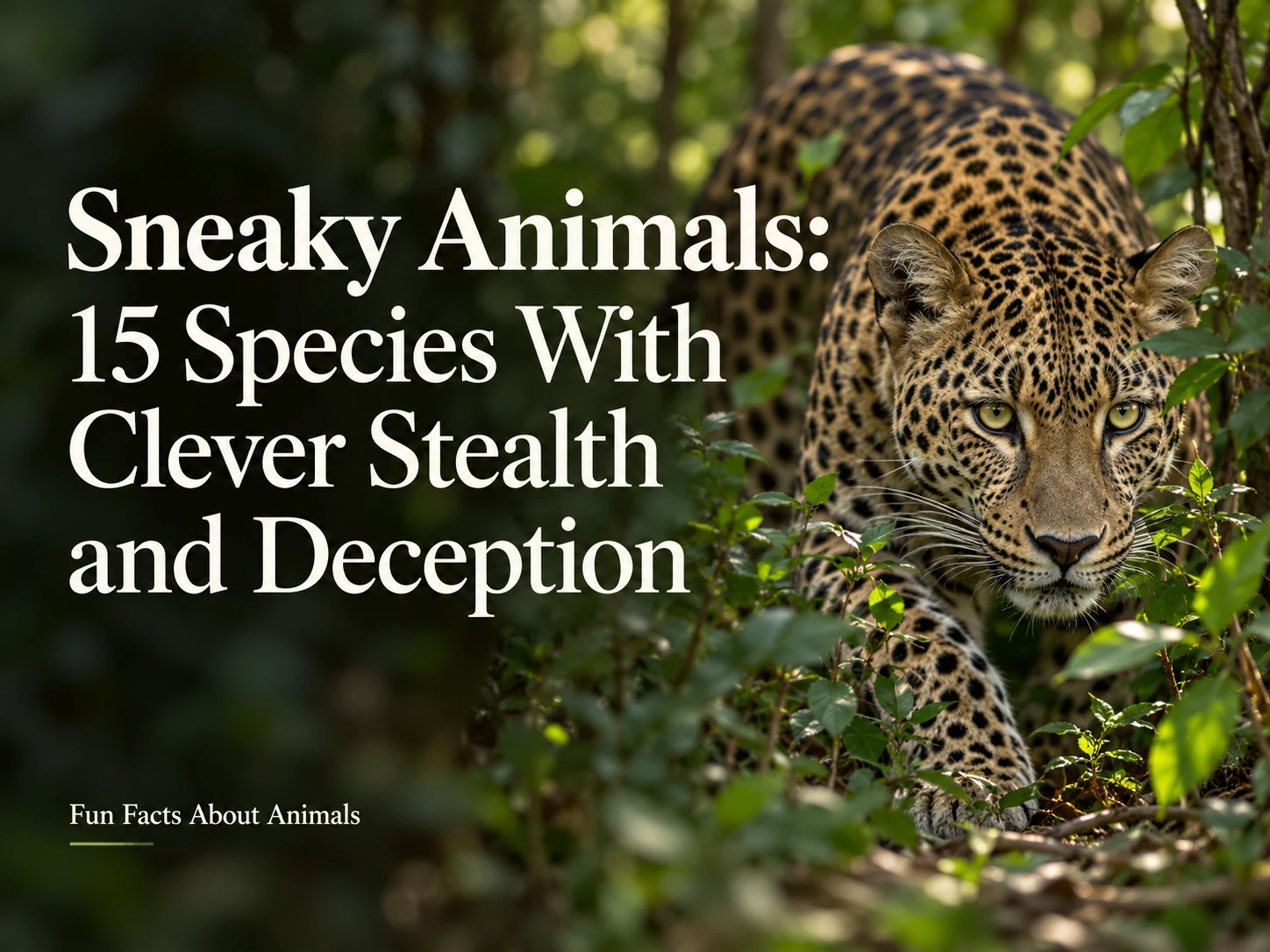
Animals do not need to think like human tricksters to use remarkably deceptive survival tactics. Some sneak close to prey without being noticed, while others disappear against bark, imitate flowers, lure victims with false signals, or shift parental care to another species. These Sneaky Animals show how evolution can favor concealment, mimicry, ambush, and behavioral deception when being detected too early could mean losing a meal, attracting a predator, or missing a reproductive opportunity.
Sneaky Animals use strategies such as stealth, camouflage, mimicry, ambush, luring, brood parasitism, and deceptive communication. Leopards stalk quietly, cuttlefish alter their appearance, cuckoos exploit host nests, and fork-tailed drongos can use false alarm calls to steal food. These tactics usually improve hunting, defense, or reproductive success rather than reflecting human-like dishonesty.
What Makes Sneaky Animals Seem So Clever?
“Sneaky” is not a formal scientific category. It is a convenient human description for behaviors that reduce detection, misdirect another animal, or exploit a situation in a way that looks clever from our perspective. Several different strategies can produce that impression. Stealth involves approaching without being detected. Camouflage, or crypsis, makes an animal harder to distinguish from its surroundings. Mimicry involves resembling another organism, object, or signal. Ambush predators remain concealed until prey moves within range, while luring predators actively attract prey closer.
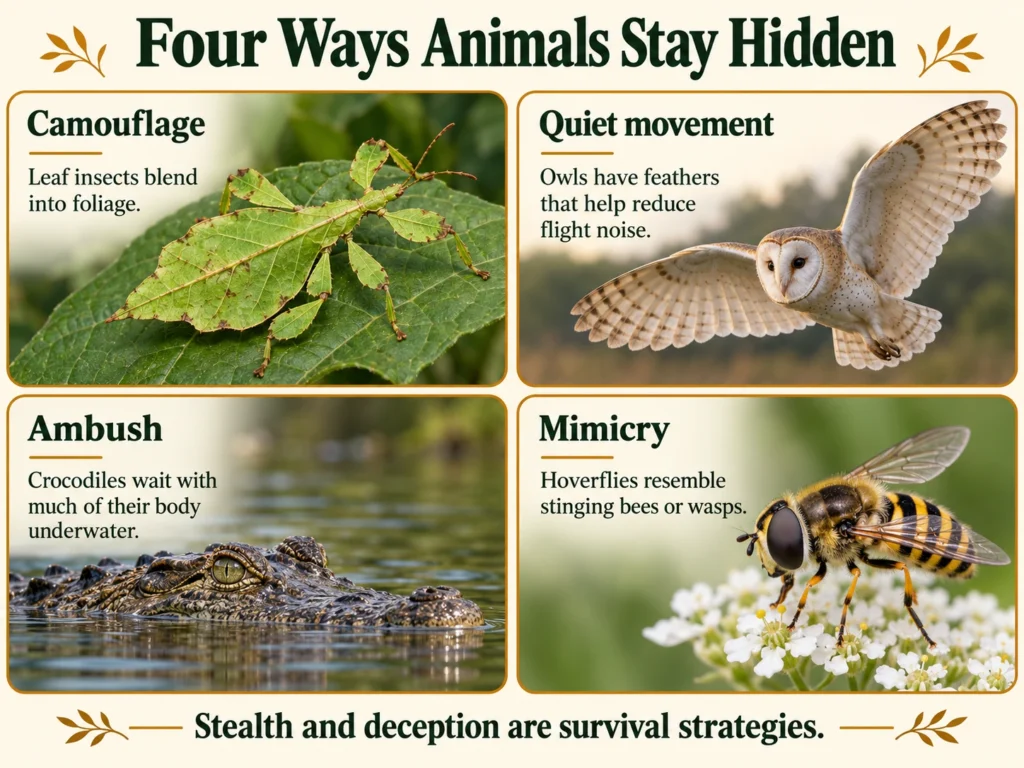
Other tactics are less visual. Brood parasites place their eggs in another species’ nest, while some animals use deceptive signals to influence others. Unlike clumsy animals that may appear awkward in their movements, these species rely on specialized behaviors to gain an advantage. Such strategies can look calculated, but many are evolutionary adaptations rather than evidence that an animal consciously plans a “trick.”
15 Sneaky Animals and the Tactics They Use
1. Leopard
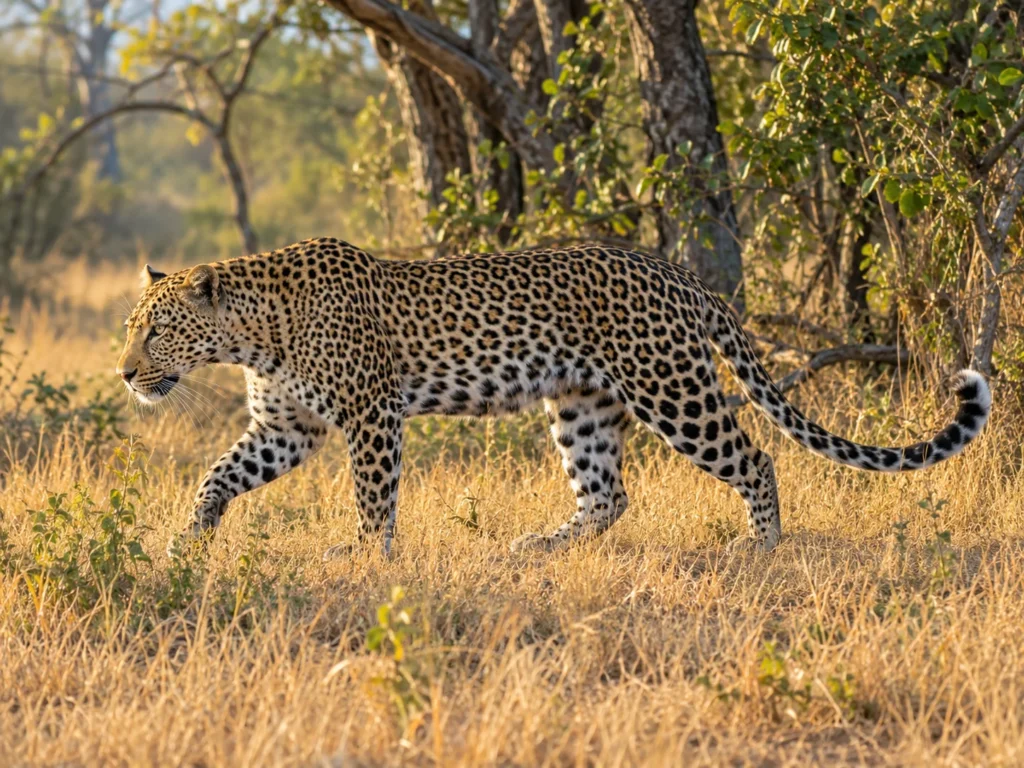
Leopards combine camouflage with patient stalking. Their spotted coats break up the outline of the body in patchy light, vegetation, and rocky terrain, while their hunting style often depends on approaching prey quietly before launching a short attack.
Among Sneaky Animals, leopards are a useful example of straightforward hunting stealth. A leopard does not need to outrun prey over a long distance if it can get close first. The tactic is less about deception in the human sense and more about reducing the amount of warning available to the target.
2. Snow Leopard
Among Sneaky Animals, snow leopards use a similar principle in a very different landscape. Their pale, patterned coats help them blend with broken rock, snow, and shadow in mountainous habitat, where prey might otherwise notice movement across exposed slopes.
They stalk before springing at prey, using terrain as cover wherever possible. Their ability to remain difficult to detect is one reason people often describe them as elusive as well as stealthy.
3. Great Horned Owl
Among Sneaky Animals, great horned owls approach prey with remarkably quiet flight that reduces warning for prey. Their soft feathers help reduce flight noise, while strong low-light vision and sensitive hearing assist them in locating animals after dark.
A prey animal may therefore have little warning before the owl is close enough to attack. Silent flight is a form of hunting stealth rather than visual mimicry, showing that avoiding detection can depend on sound as much as appearance.
4. Crocodile
Crocodiles are classic ambush predators. Much of the body can remain underwater while the eyes and nostrils stay above the surface, allowing the animal to monitor its surroundings without exposing its full shape.
Unlike many energetic animals that rely on constant movement to find food, crocodiles often gain an advantage by remaining still. Some sneaky animals actively approach their prey, but crocodiles can wait near a likely drinking or crossing point and attack when an animal comes close. This patient hunting strategy saves energy and reduces the chance that prey will recognize the danger early.
5. Mimic Octopus
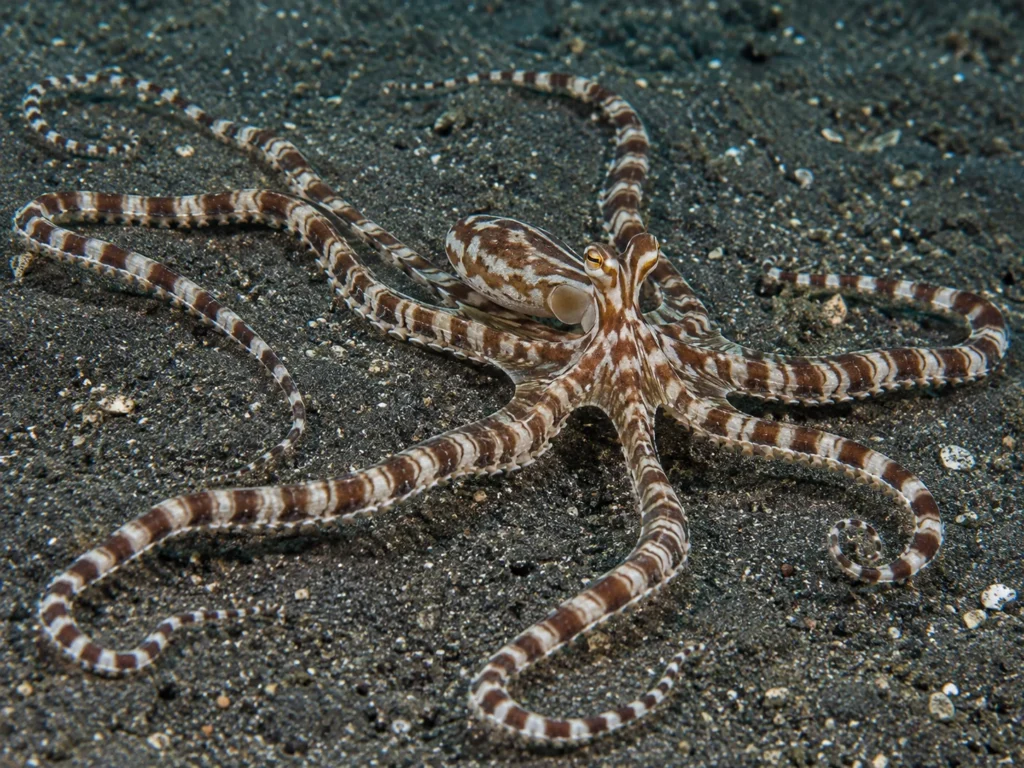
The mimic octopus can alter its posture, movement, and appearance in ways that resemble other marine animals. Unlike simple background matching, this behavior can make the octopus look and move more like another type of organism.
Researchers have documented locomotor and visual mimicry in mimic octopuses, including flatfish-like behavior. The important distinction is that mimicry does more than make an animal disappear into its surroundings; it changes what an observer may perceive the animal to be.
6. Cuttlefish
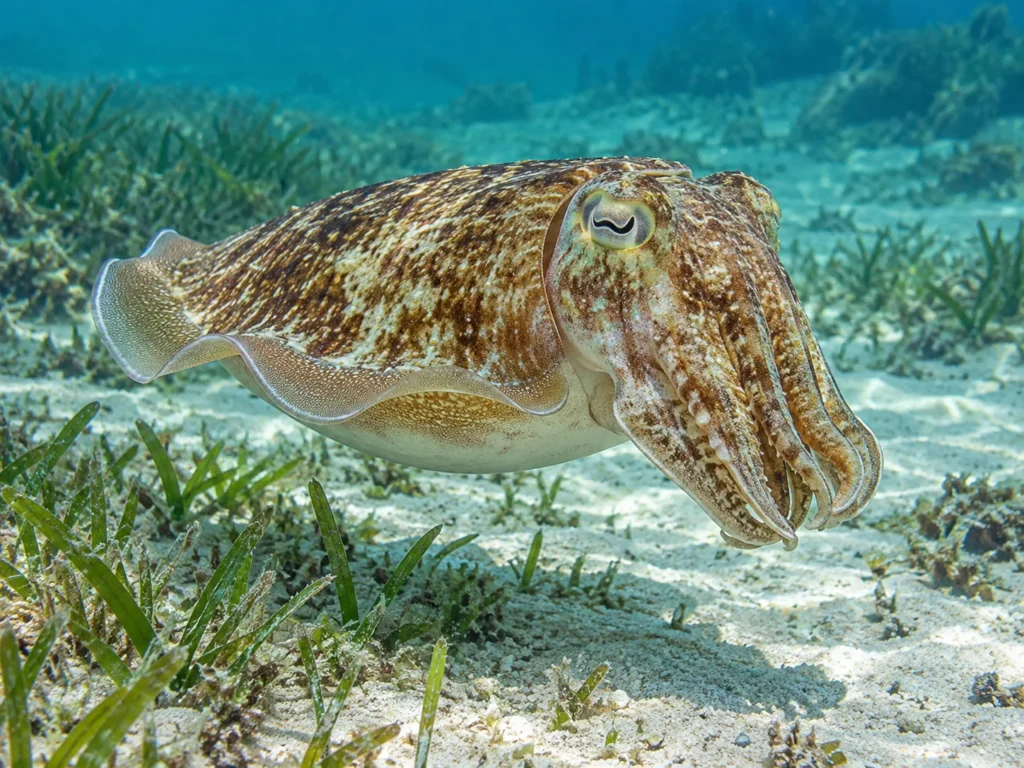
Cuttlefish are masters of dynamic camouflage. They can rapidly alter skin patterns using specialized pigment cells, matching or disrupting the visual structure of the background. This ability can help with both concealment and communication.
Among Sneaky Animals, cuttlefish stand out because their appearance can change rapidly with changing surroundings. When hunting, camouflage may allow them to remain unnoticed while approaching prey. When avoiding predators, the same flexibility makes them much harder to distinguish from sand, rock, or other complex backgrounds.
7. Leaf-Tailed Gecko
Leaf-tailed geckos from Madagascar use body shape and coloration to disappear against vegetation. Some species have flattened bodies, irregular edges, mottled colors, and tails that closely resemble dead leaves.
This strategy can be described as crypsis or masquerade because the gecko resembles an ordinary part of its environment rather than a threatening animal. Remaining motionless strengthens the effect, helping it stay unnoticed by predators while resting.
8. Orchid Mantis
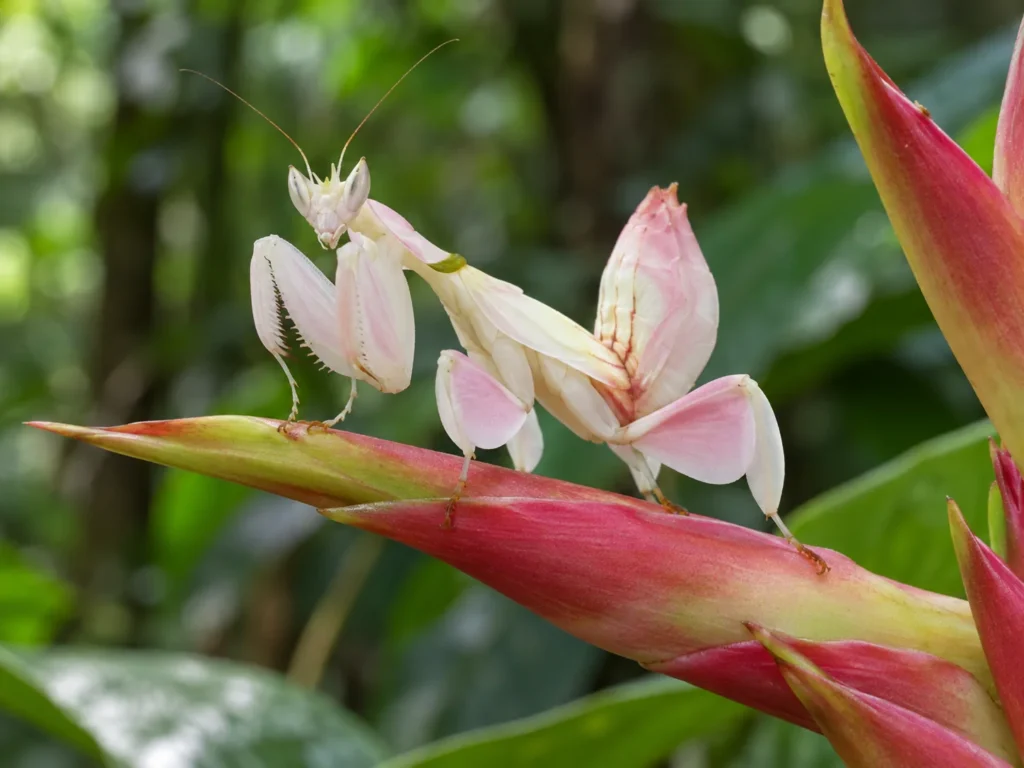
Among Sneaky Animals, the orchid mantis has a flower-like appearance that can do more than simply conceal it while attracting prey. Experiments have shown that pollinating insects can be attracted toward these mantises, bringing potential prey within reach.
That makes the strategy especially interesting because appearance can effectively function as a lure. Rather than chasing insects across vegetation, the mantis can remain relatively still while its coloration and form influence how approaching pollinators respond.
9. Alligator Snapping Turtle
Unlike some of the cleanest animals that regularly groom themselves, the alligator snapping turtle relies on a completely different survival strategy. It uses a worm-like appendage on its tongue as a lure, moving it while waiting motionless with its mouth open underwater to attract unsuspecting prey.
Fish investigating what appears to be a small food item may move directly toward the predator. Camouflage and stillness make the setup even more effective, allowing the turtle to attract prey instead of relying entirely on active pursuit.
10. Common Cuckoo
Common cuckoos use brood parasitism. A female places an egg in the nest of another bird, leaving the host to incubate the egg and provide parental care after it hatches.
Among Sneaky Animals, cuckoos are unusual because their strategy involves reproduction rather than hunting. Hosts may reject suspicious eggs, while different cuckoo lineages can produce eggs resembling those of particular hosts. It is reproductive exploitation rather than stealth hunting, but it fits the broader concept of biological deception extremely well.
11. Frogfish
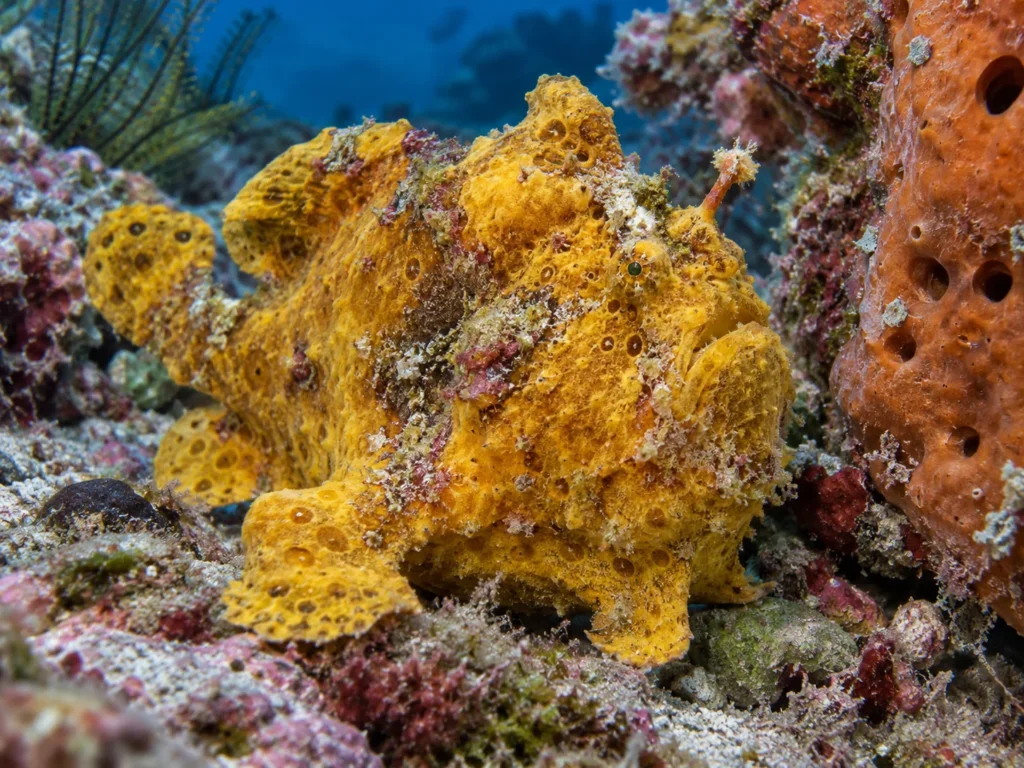
Among Sneaky Animals, frogfish combine camouflage with prey luring to bring potential prey within striking distance. Their bodies can resemble coral, sponges, rocks, or other parts of the seafloor, allowing them to remain surprisingly difficult to recognize.
Many species also possess a modified dorsal spine ending in a lure that can resemble a worm, small fish, or another potential food item. Prey attracted toward it may move directly into striking distance, making frogfish excellent examples of both ambush hunting and aggressive mimicry.
12. Stick Insect
Stick insects survive largely by being difficult to recognize as animals. Their long bodies, legs, colors, and resting positions may closely resemble twigs, stems, leaves, or other vegetation.
This behavior is usually better described as camouflage or masquerade than intentional deception. By resembling an uninteresting object, a stick insect can reduce the chance that a visually hunting predator notices it in the first place.
13. Spider-Tailed Horned Viper
The spider-tailed horned viper has an extraordinary tail tip covered with elongated scales that resemble a spider. The snake moves this structure while remaining concealed, creating a lure capable of attracting insect-eating birds.
Field observations have confirmed the role of the tail in luring avian prey. It is an unusually clear example of aggressive mimicry because the predator presents something resembling food to bring its target into striking range.
14. Anglerfish
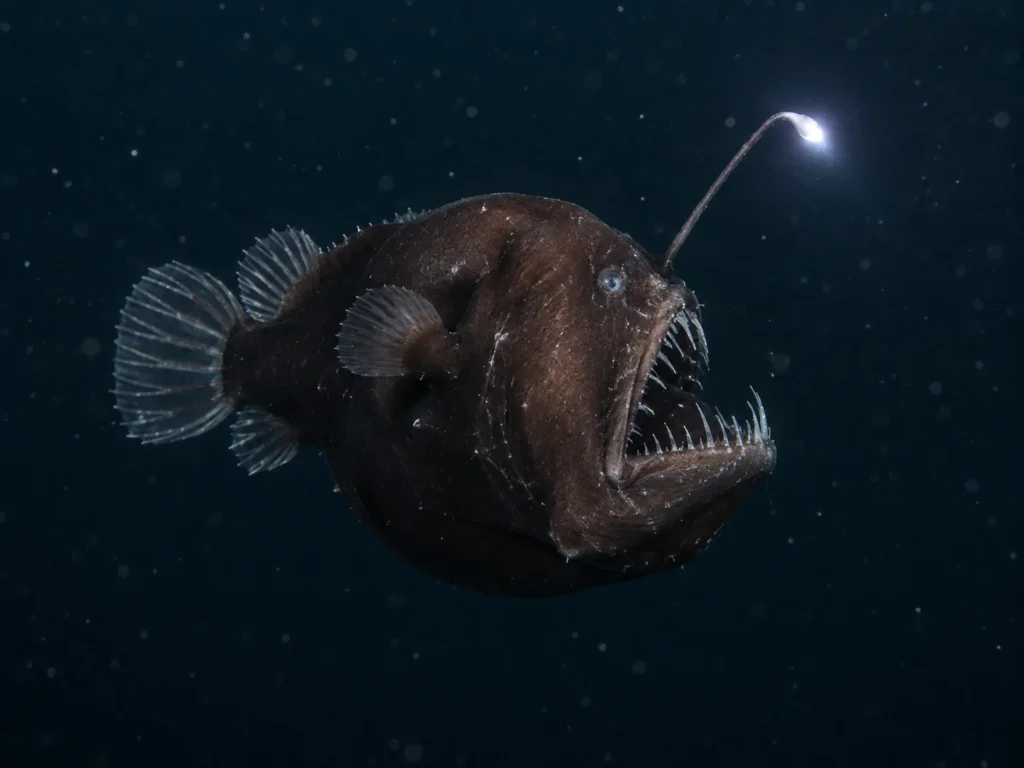
Many anglerfish possess a modified dorsal spine that functions as a lure. In some deep-water species, the lure can produce light, making it visible in a habitat where sunlight does not reach.
The fish can remain relatively difficult to detect while presenting a small, attractive target to nearby prey. Rather than searching continuously for every meal, the predator creates a focal point that encourages potential prey to approach.
15. Fork-Tailed Drongo
Fork-tailed drongos provide one of the strongest examples of behavioral deception on this list. Research in the Kalahari has shown that they can produce false alarm calls while other animals are handling food.
Among sneaky animals, drongos are particularly notable because their deception involves communication rather than appearance. Even relatively docile animals can become targets of deceptive alarm calls. Species such as meerkats and pied babblers may flee for cover and leave their food behind, allowing drongos to steal it. Drongos can also mimic alarm calls made by other species, making this behavior considerably more sophisticated than simple food theft.
Quick Comparison of Sneaky Animal Strategies
| Animal | Main Tactic | Main Purpose |
| Leopard | Stealth and camouflage | Hunting |
| Snow leopard | Concealment and stalking | Hunting |
| Great horned owl | Quiet flight | Hunting |
| Crocodile | Concealed ambush | Hunting |
| Mimic octopus | Mimicry | Defense/concealment |
| Cuttlefish | Dynamic camouflage | Hunting and defense |
| Leaf-tailed gecko | Crypsis/masquerade | Defense |
| Orchid mantis | Floral deception | Hunting |
| Alligator snapping turtle | Lingual lure | Hunting |
| Common cuckoo | Brood parasitism | Reproduction |
| Frogfish | Camouflage and lure | Hunting |
| Stick insect | Masquerade | Defense |
| Spider-tailed horned viper | Caudal lure | Hunting |
| Anglerfish | Prey lure | Hunting |
| Fork-tailed drongo | False alarm calls | Food theft |
Stealth vs Camouflage vs Mimicry vs Deception
These terms describe related but different strategies. Stealth means reducing the chance of detection while moving or approaching. Leopards and owls are useful examples because their hunting success partly depends on getting close without providing an early warning.
Camouflage makes an animal difficult to separate visually from the background. Cuttlefish and leaf-tailed geckos use especially impressive forms of concealment. Mimicry takes a different approach: an animal resembles another organism, object, or meaningful signal rather than simply matching its surroundings.
Ambush describes waiting for prey instead of pursuing it over a long distance. Luring actively draws another animal closer. Deceptive communication, such as false alarm calls made by a drongo, works through signals rather than body appearance.
Why Do Sneaky Animals Use These Tactics?
Finding food is one major reason. A predator that approaches unnoticed gives its prey less time to escape and may spend less energy chasing it. Ambush predators and lure users take the principle further by allowing prey to enter the danger zone on its own.
Avoiding predators is equally important. Stick insects, leaf-tailed geckos, and camouflaged cephalopods benefit when potential attackers fail to detect them or misidentify what they are seeing.
Reproduction can also favor deceptive strategies. Cuckoo brood parasitism transfers much of the work of incubation and chick rearing to a host. Different evolutionary pressures can therefore produce apparently sneaky behavior even when the animals involved are solving completely different survival problems.
Are Sneaky Animals Actually Intelligent?
Not necessarily. A behavior can appear extremely clever without requiring human-like reasoning. Natural selection can favor body shapes, colors, reflexes, signals, and behavioral patterns that work effectively even when an animal does not understand the tactic in the way a person would.
Learning and behavioral flexibility do matter in some cases. Fork-tailed drongos, for example, can vary deceptive alarm signals, while cephalopods respond flexibly to visual surroundings. Intelligence, learning, instinct, and evolutionary adaptation can all contribute to behavior, but they should not be treated as interchangeable concepts.
Frequently Asked Questions
What Is the Sneakiest Animal?
There is no scientifically established sneakiest animal. Different species excel at different strategies, with fork-tailed drongos notable for deceptive signaling, cuttlefish for dynamic camouflage, and predators such as frogfish for camouflage combined with luring.
What Animals Use Deception to Survive?
Sneaky Animals can survive through several forms of deception, including visual mimicry, prey luring, brood parasitism, camouflage, and false communication signals. Examples include mimic octopuses, orchid mantises, cuckoos, frogfish, spider-tailed horned vipers, anglerfish, and fork-tailed drongos.
What Animals Are Best at Camouflage?
Cuttlefish, leaf-tailed geckos, stick insects, octopuses, and many ambush predators are highly effective at camouflage. Different species achieve concealment through color change, disruptive patterns, body shape, stillness, or close resemblance to surrounding objects.
Why Do Predators Use Stealth?
Predators use stealth because approaching undetected reduces the amount of time prey has to escape. It can also save energy by replacing a long pursuit with a shorter attack launched from close range.
Is Camouflage the Same as Mimicry?
No. Camouflage generally helps an animal blend with its surroundings, while mimicry involves resembling another organism, object, or signal in a way that affects how an observer responds. Some animals can use elements of both strategies.
Final Thoughts
Sneaky Animals are not dishonest in the human sense. Their stealth, camouflage, mimicry, lures, false signals, and reproductive strategies are adaptations that help them hunt, avoid danger, or reproduce. Looking at the exact tactic behind the label reveals something more interesting than “sneakiness”: the remarkable variety of ways animals solve survival problems.