
Animals That Waddle: 13 Species and Why They Walk That Way
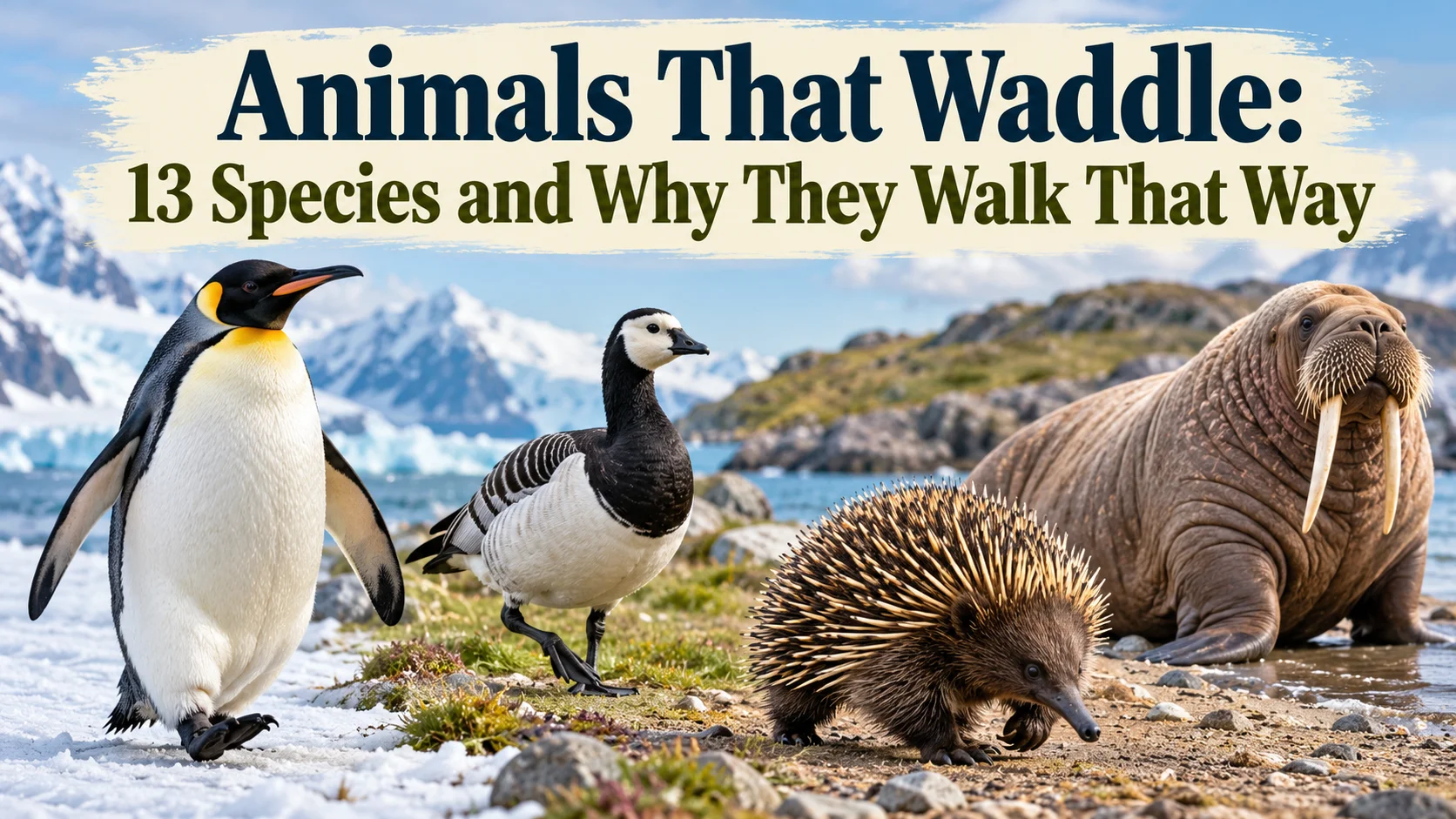
Waddling is one of the most recognizable ways animals move, but not every creature that looks awkward on land is a true waddler. Penguins and ducks use obvious side-to-side gaits, while animals such as platypuses, loons, and grebes move in ways that only resemble a classic waddle. In many cases, the movement reflects anatomy built for swimming, digging, or supporting a broad body rather than fast terrestrial travel. These 13 animals that waddle show how different body plans can produce similar-looking walks.
Animals that waddle include penguins, ducks, geese, Atlantic puffins, cormorants, echidnas, wombats, walruses, and sea lions. Platypuses, mute swans, loons, and grebes can also show waddle-like land movement. The causes vary, including short legs, rear-set limbs, splayed feet, aquatic specialization, burrowing anatomy, and flipper-based locomotion.
What Is a Waddling Gait?
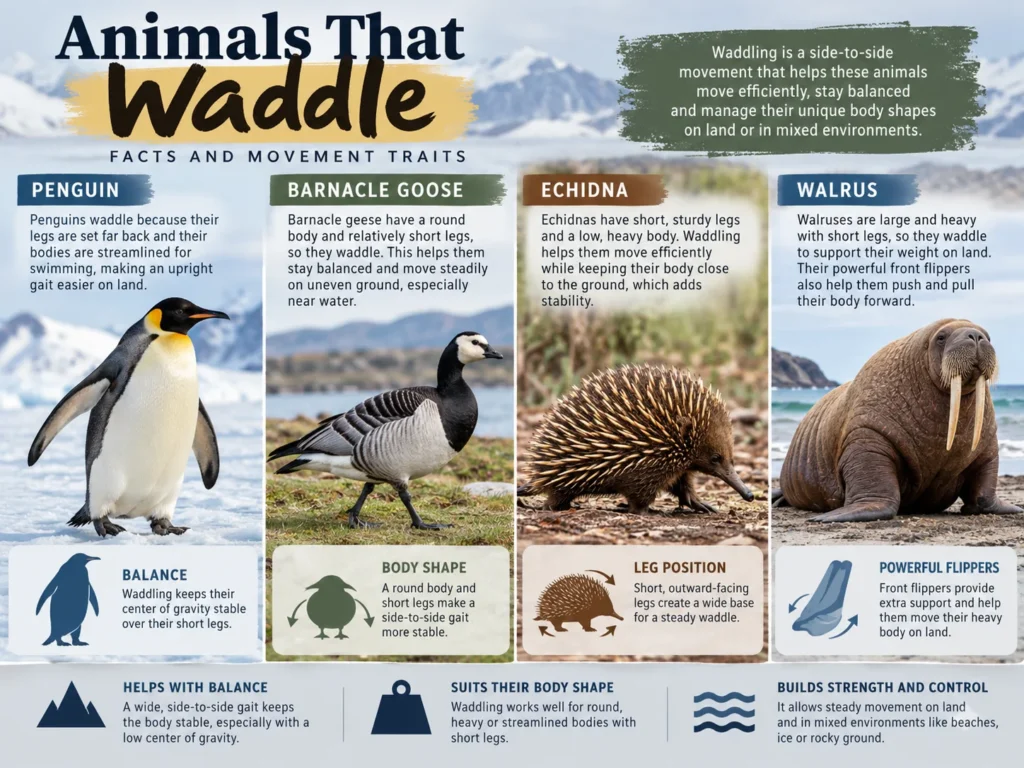
A waddle is a walking pattern with noticeable side-to-side movement as body weight shifts from one supporting limb to the other. Steps are often fairly short, and the trunk may rock laterally rather than following a nearly straight path. Ducks are one of the classic examples of this type of gait. However, not every animal described as “waddling” uses identical mechanics. A penguin, wombat, and walrus move very differently. Some species clearly waddle, while others have a sprawling, rolling, or awkward gait that simply looks similar. For animals that waddle, that distinction matters when explaining why an animal moves the way it does.
Why Do Some Animals Waddle?
Animals that waddle do so for different anatomical reasons. Short legs can increase side-to-side weight transfer, while legs positioned toward the rear of the body may improve swimming yet make land movement awkward. Broad bodies and wide stances can also exaggerate lateral motion. Although some may appear similar to Clumsy Animals, waddling usually reflects specialized anatomy rather than poor coordination. Echidnas possess powerful digging limbs, platypuses have short splayed legs, and walruses move over land using flippers rather than ordinary feet. Waddling is therefore better understood as a result of body structure and specialization, not simply as clumsy walking.
Classic Birds That Waddle
1. Penguin
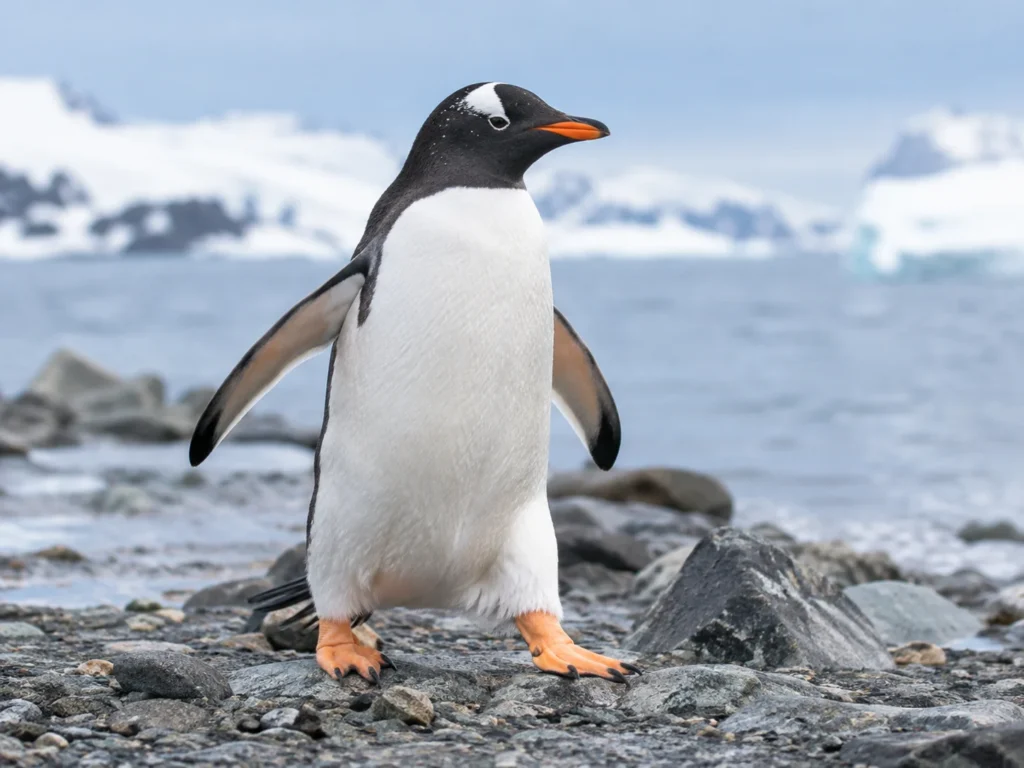
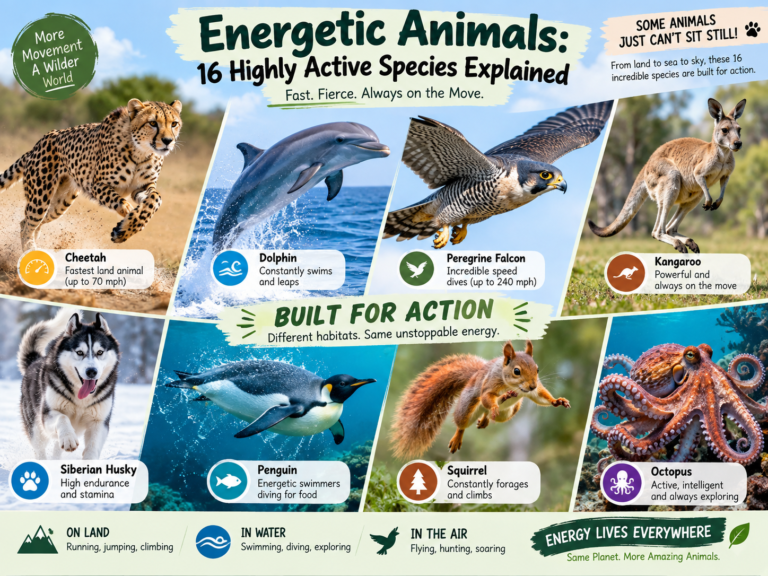
Penguins are probably the most famous animals that waddle. Their short legs and upright bodies produce an obvious side-to-side shift as they transfer weight between their feet. Although they may not look like typical Energetic Animals on land, penguins can be highly active swimmers and use substantial energy moving through water. Walking is energetically expensive for them, but studies show that the lateral motion itself can help recover mechanical energy. Their waddle is therefore not simply wasted movement or poor balance.
2. Mallard Duck
Mallards are among the classic animals that waddle, showing the rolling walk most people picture when they hear the word “waddle.” Their relatively short legs and broad waterfowl body contribute to visible lateral weight transfer with each step. Ducks are strongly adapted for swimming as well as walking, and the amount of waddling varies between species rather than being identical across all ducks.
3. Barnacle Goose
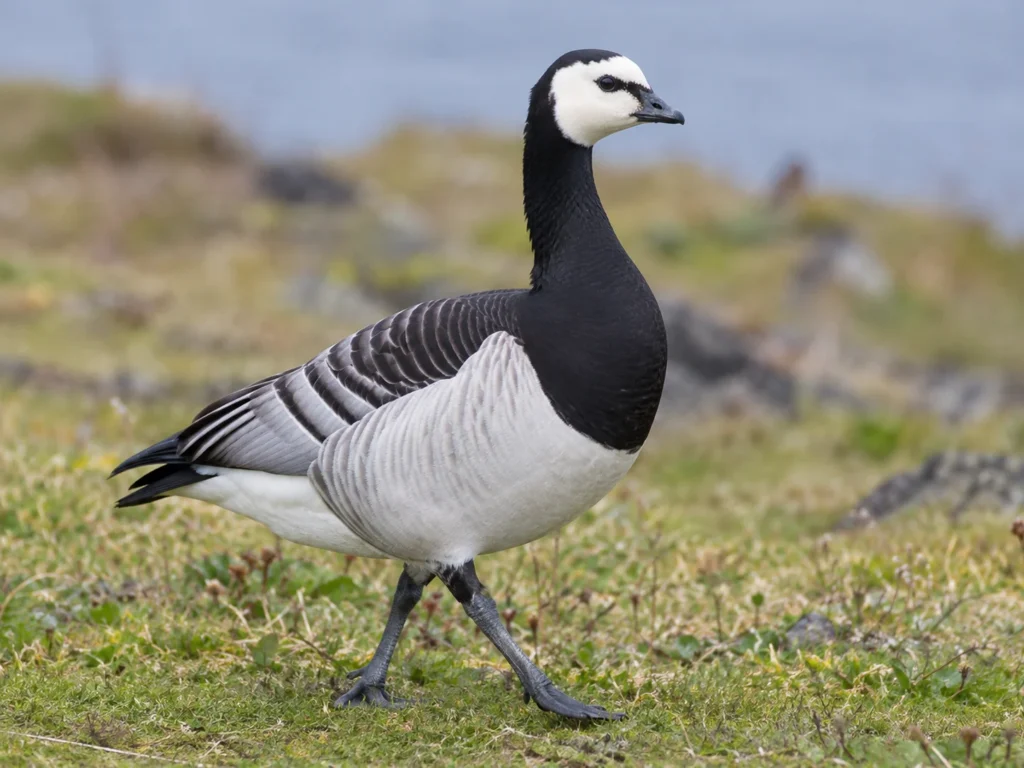
Barnacle geese also show measurable side-to-side mechanics while walking. Their gait involves lateral kinetic energy associated with waddling, even though they remain capable terrestrial walkers. The movement reflects the compromises of an animal built not only for walking but also for swimming and flight, rather than evidence that geese are simply poor at moving on land.
4. Atlantic Puffin
Atlantic puffins are among the animals that waddle particularly obviously when moving around breeding colonies. Their bodies teeter slightly from side to side, creating a walk that can look surprisingly penguin-like. Yet puffins are also capable fliers and excellent underwater swimmers, so their gait illustrates how an animal can appear awkward on land while being highly effective in other environments.
5. Great Cormorant
Great cormorants have relatively short legs and use a pronounced waddling gait when walking. Their limb anatomy is strongly connected with aquatic locomotion, which helps explain why movement on land looks unusual. Importantly, awkward appearance does not automatically mean disastrous locomotor performance; their gait reflects a body that must function effectively both in water and out of it.
Birds With Waddle-Like Land Movement
6. Mute Swan
Mute swans have short legs positioned well toward the rear of their bodies. This arrangement contributes to their strong performance in water but gives them an awkward, rolling gait ashore. Calling their movement waddle-like is more accurate than claiming that every swan species waddles in precisely the same way, because terrestrial abilities differ among swans.
7. Common Loon
Common loons are outstanding swimmers and divers because their legs sit far back on their bodies. That same arrangement makes walking ashore extremely awkward, and they spend little time moving over land. Their gait can appear waddle-like, but loons are better described as aquatic specialists with limited terrestrial mobility than as classic waddlers like ducks.
8. Pied-Billed Grebe
Pied-billed grebes have feet positioned close to the rear of the body, an arrangement that helps propel them through water. On land, however, the same anatomy makes normal walking difficult. Their terrestrial movements may therefore appear awkward or waddle-like, but this should not be confused with the more obvious side-to-side gait of a duck or penguin.
Mammals That Waddle
9. Platypus
Among mammals and other animals that waddle or move in a waddle-like way, platypuses have short, heavy limbs that extend outward from the body instead of sitting directly underneath it. This splayed posture gives their movement on land a sprawling, waddle-like appearance. Although they can also be considered among Shy Animals because they often avoid close contact and spend much of their time in secluded aquatic habitats, their unusual gait is mainly explained by anatomy rather than temperament. They are far better suited to swimming, where their webbed forefeet provide propulsion, and terrestrial movement requires considerably more energy than it does for a similarly sized land mammal.
10. Long-Beaked Echidna
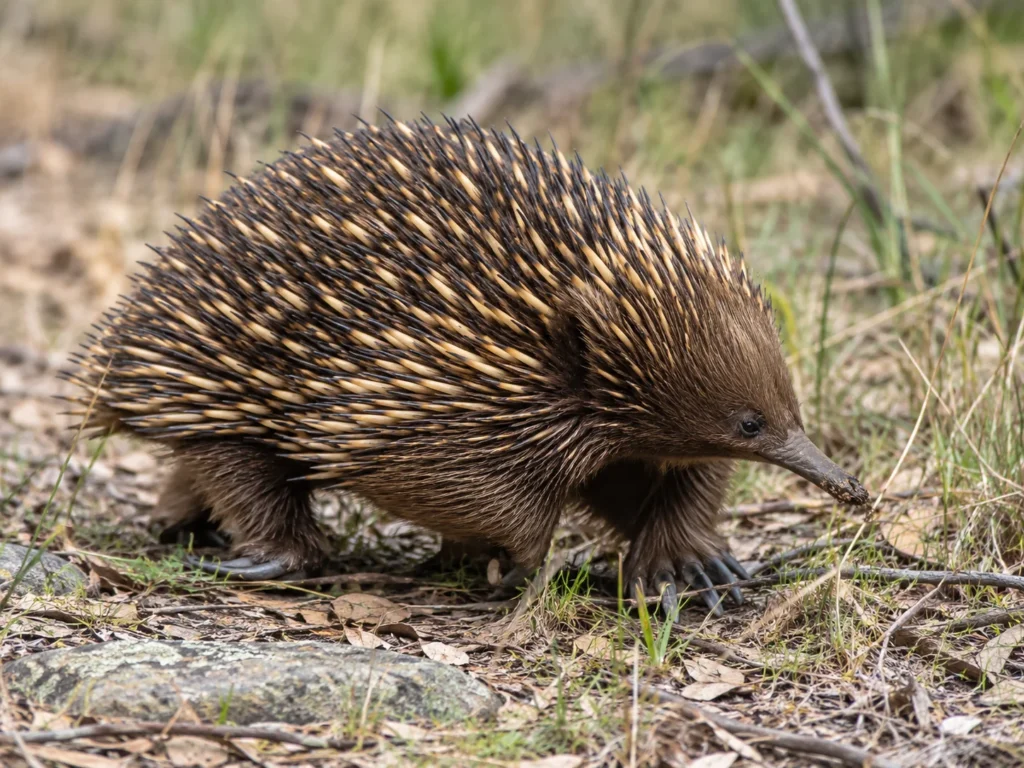
Long-beaked echidnas show that animals that waddle can do so for very different reasons. Their sturdy limbs and strong claws are designed for digging and searching through soil rather than rapid running. They move with a slow, deliberate waddling gait and broad stance. Unlike penguins or ducks, their unusual walk reflects digging specialization rather than adaptation for life in water.
11. Bare-Nosed Wombat
Bare-nosed wombats have short legs, compact bodies, and powerful limbs suited to extensive burrowing. These proportions contribute to their characteristic waddle. The movement may look lumbering, but describing wombats as waddling simply because they are heavy misses the important point: their whole body plan is specialized for digging, pushing through soil, and living around burrow systems.
Marine Mammals That Waddle on Flippers
12. Walrus
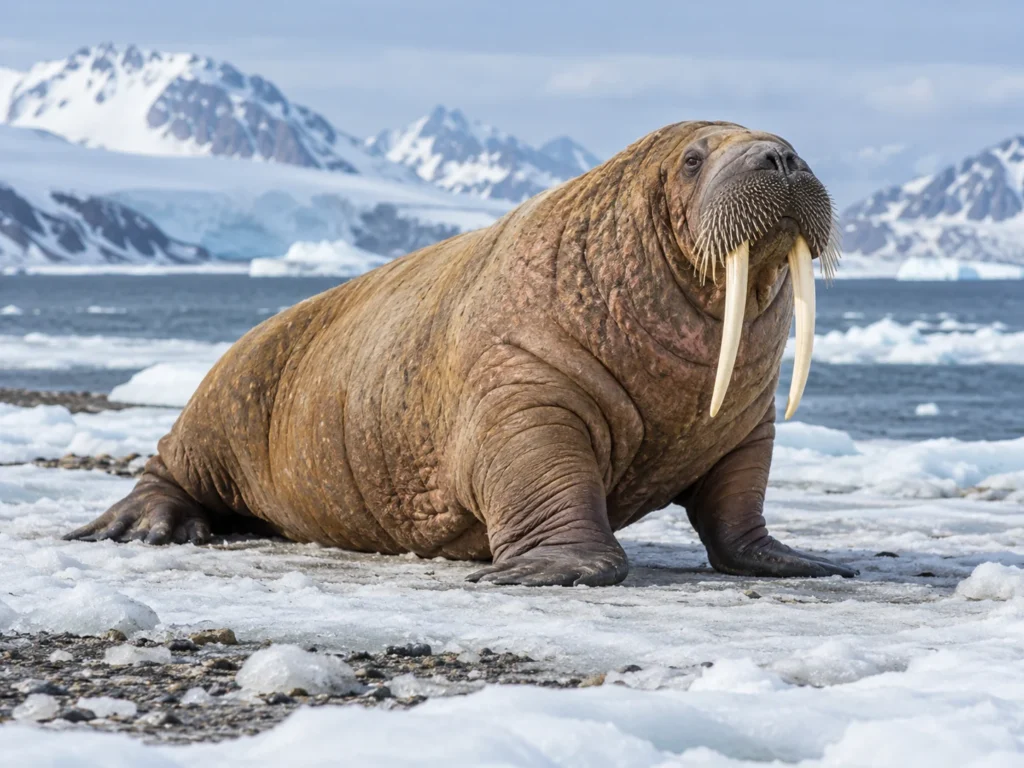
Walruses are among the marine animals that waddle, and they can rotate their hind flippers forward beneath their bodies and support themselves using all four limbs. This produces a rolling, four-flipper movement that can reasonably be described as waddling across land or ice. Their gait differs greatly from a penguin’s two-legged waddle, but both demonstrate how specialized aquatic anatomy changes terrestrial locomotion.
13. California Sea Lion
California sea lions can also bring their hind flippers underneath their bodies and move on all fours. This gives them much greater mobility ashore than true seals, whose rear flippers cannot rotate beneath the body in the same way. Although their feeding behavior can sometimes make them look like Greedy Animals when food is abundant, that impression reflects opportunistic feeding rather than a human-style personality trait. A sea lion can therefore walk or waddle with its body raised above the surface instead of sliding on its belly.
Quick Comparison: Why These Animals Waddle
Among animals that waddle, similar-looking movements can arise from very different anatomical adaptations. This comparison shows why it is useful to distinguish a classic waddle from a merely waddle-like gait.
| Animal | Movement Type | Main Reason |
| Penguin | Classic waddle | Short legs and lateral weight transfer |
| Mallard duck | Classic waddle | Waterfowl body mechanics |
| Barnacle goose | Waddle | Lateral body movement |
| Atlantic puffin | Waddle | Compact aquatic-bird build |
| Echidna | Waddle | Digging-oriented limbs |
| Wombat | Waddle | Short-legged burrowing build |
| Platypus | Waddle-like | Short, splayed limbs |
| Walrus | Four-flipper waddle | Rotatable hind flippers |
| Common loon | Awkward/waddle-like | Rear-positioned legs |
The word “waddle” describes a visible movement pattern rather than one universal anatomical mechanism shared by every species.
Why Do Penguins Waddle?
Penguins are among the best-known animals that waddle, mainly because of their short legs and the way they transfer their center of mass between steps. Their bodies move from side to side as weight passes from one supporting foot to the other, producing the familiar rocking motion. It may look inefficient, but the lateral movement can actually help conserve mechanical energy. Penguin walking remains relatively costly overall, largely because short legs require rapid muscular force production. The waddle itself is therefore part of how penguins manage walking rather than simply a failure of balance.
Why Do Ducks Waddle?
Ducks are also classic animals that waddle, combining relatively short legs with broad bodies and anatomy strongly influenced by life around water. As weight moves between the left and right legs, their bodies shift laterally over each supporting foot, creating the rolling motion associated with waddling. Webbed feet alone do not explain this gait. Body width, posture, limb geometry, and species-specific proportions all contribute. That is why some ducks show a much more obvious waddle than others even though they share the same general aquatic lifestyle.
Why Are Some Aquatic Birds Awkward on Land?
Aquatic specialization often changes where a bird’s legs sit and how they function. Loons and grebes provide extreme examples: rear-positioned legs make them powerful swimmers and divers but create serious limitations when they try to walk ashore. Puffins and cormorants are more capable on land, yet they also show distinctive terrestrial gaits related to their anatomy. These birds are not poorly adapted overall. Their unusual walks reveal a locomotor trade-off—a body exceptionally useful in water may not produce the smoothest movement on solid ground.
Do Walruses and Sea Lions Really Waddle?
Yes, although they do so differently from birds. Walruses and sea lions can rotate their rear flippers underneath the body, support themselves on all four limbs, and move with a rolling or waddling motion over land. True seals provide an important contrast. Their hind flippers cannot rotate beneath the body in the same manner, so they generally move by flexing, shimmying, or undulating while remaining close to the ground. Not every pinniped should therefore be described as a waddling animal.
Waddling vs Awkward Walking
Penguins, ducks, barnacle geese, Atlantic puffins, great cormorants, long-beaked echidnas, wombats, walruses, and sea lions are strong examples of animals that waddle. Their locomotion includes recognizable lateral, rolling, or four-limbed waddling movement. Platypuses, mute swans, loons, and grebes need more careful wording. They may appear to waddle, but their gait can be better described as sprawling, rolling, or simply awkward on land. A loon moving with rear-set legs is not using the same mechanics as a duck.
Common Misconceptions About Waddling Animals
For animals that waddle, the movement does not automatically mean poor balance, nor is it always useless or inefficient. Penguins demonstrate that lateral motion can have a mechanical benefit, while ducks show that webbed feet alone do not explain a waddling gait. Some species on this list may also overlap with Animals That Sleep a Lot, but sleeping habits and walking style are separate adaptations shaped by different biological needs. It is also inaccurate to say that every swan, seal, or aquatic bird waddles. True seals move differently from sea lions, and loons and grebes are better treated as awkward terrestrial specialists. In most cases, unusual walking reflects adaptation and anatomical trade-offs rather than a badly designed body.
Frequently Asked Questions
What animals are best known for waddling?
Penguins and ducks are the classic examples. Barnacle geese, Atlantic puffins, great cormorants, echidnas, wombats, walruses, and sea lions can also use clearly waddling movements, although the exact mechanics differ substantially between species.
Why do penguins waddle when they walk?
Penguins have short legs and upright bodies that produce substantial side-to-side weight transfer during each step. Their lateral motion is not simply wasted movement; it can help recover mechanical energy as their weight shifts from one supporting foot to the other.
Why do ducks waddle?
Ducks have broad bodies and relatively short legs, so their weight shifts visibly from side to side while walking. Their anatomy is also strongly influenced by an aquatic lifestyle, although species differences mean that some ducks have a more pronounced waddle than others.
What mammals waddle?
Long-beaked echidnas, bare-nosed wombats, walruses, and sea lions are good examples. Platypuses also show a sprawling, waddle-like gait. Different factors—including digging anatomy, splayed limbs, body proportions, and flippers—vary among different mammals.
Do seals, sea lions, and walruses all waddle?
No. Sea lions and walruses can rotate their hind flippers beneath their bodies and move using all four limbs. True seals cannot do this in the same way and generally travel across land by shimmying or undulating close to the surface.
Final Thoughts
Animals that waddle demonstrate how similar-looking movements can develop from very different body structures. Penguins and ducks shift laterally on two legs, echidnas and wombats reflect digging-oriented anatomy, while walruses and sea lions produce a distinctive four-flipper version of the gait. The movement may look awkward to human eyes, but that does not make it useless. In many species, waddling is simply the visible result of a body specialized remarkably well for swimming, diving, burrowing, or another demanding way of life.
One Comment