
Shy Animals: 15 Timid Species and Why They Stay Hidden
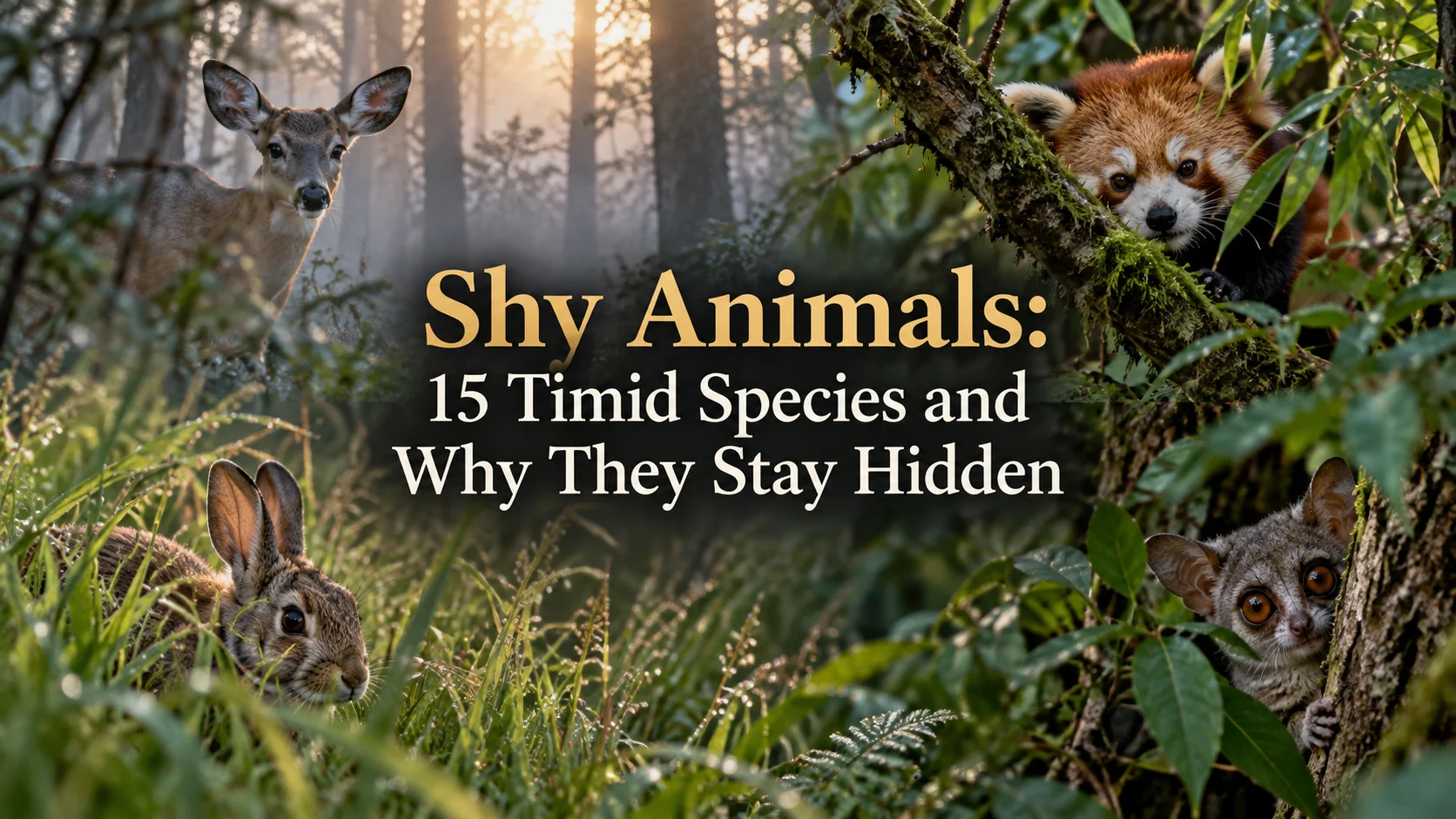
Some animals survive by standing their ground, while others do better by staying unnoticed. Shy animals often avoid unfamiliar activity, retreat when disturbed, or rely on cover instead of confrontation. In animal behavior, “shy” does not mean embarrassed or socially awkward. It usually describes a cautious response to risk. From forest mammals to burrowing species and even octopuses, many animals use low profile behavior to reduce danger and move through their surroundings more safely.
Shy animals tend to respond cautiously to threats, unfamiliar situations, or human activity. They may freeze, hide, retreat, or delay approaching something new. Shyness is not the same as being solitary, nocturnal, or rare, although these traits can overlap. Cautious behavior can help animals avoid predators, conflict, and unnecessary exposure.
What Does It Mean When an Animal Is Shy?
In behavioral ecology, shyness is usually discussed as part of a shy-bold continuum. A shy individual tends to take fewer risks or approach unfamiliar situations more cautiously, while a bolder individual may explore sooner or remain exposed for longer. That does not mean every member of a species behaves the same way.
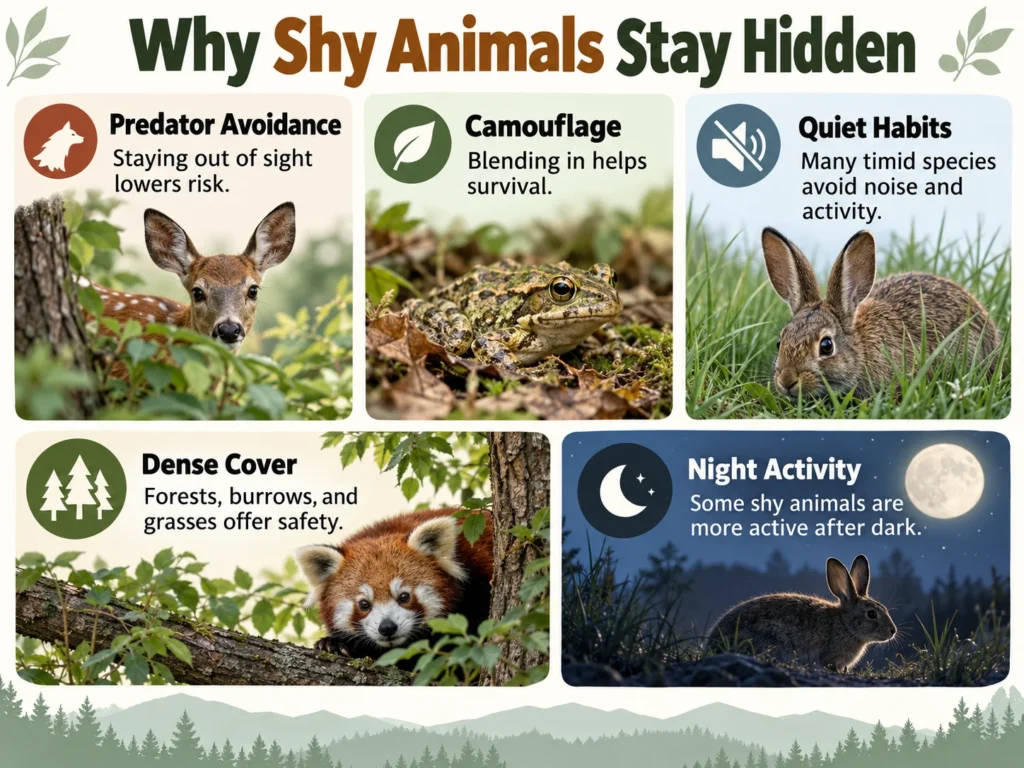
Age, experience, habitat, predators, human disturbance, and individual temperament can all affect how an animal responds. One red panda, fox, deer, or octopus may be noticeably more cautious than another. The same is true when people describe clumsy animals, since an awkward-looking movement does not always reflect poor coordination. It is also important not to confuse shyness with rarity. An animal may be difficult to see because it is active at night, lives alone, uses excellent camouflage, or occupies remote habitat. Those features can make an animal elusive without proving that it is behaviorally shy.
15 Shy Animals and Their Cautious Behaviors
1. Okapi
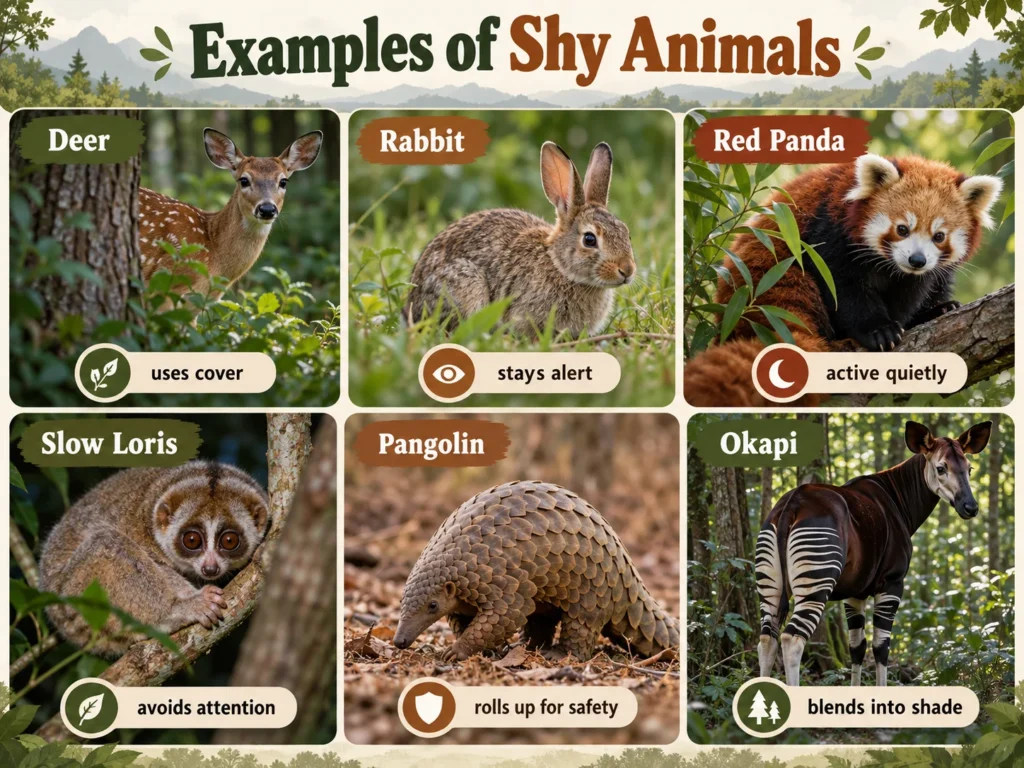
The okapi is a forest-dwelling relative of the giraffe found in the Democratic Republic of the Congo. It is generally quiet, solitary, and secretive, moving through dense rainforest where vegetation provides constant cover. Its low-profile lifestyle and difficulty to observe in the wild make it a strong example of an animal commonly described as shy or elusive.
2. Pangolin
Pangolins are solitary, scale-covered mammals that usually rely on avoidance and defense rather than confrontation. When danger appears, they may escape, hide, or curl into a tight ball, depending on the species and situation. Many are also active mainly at night, which further reduces their exposure to predators and people.
3. Red Panda
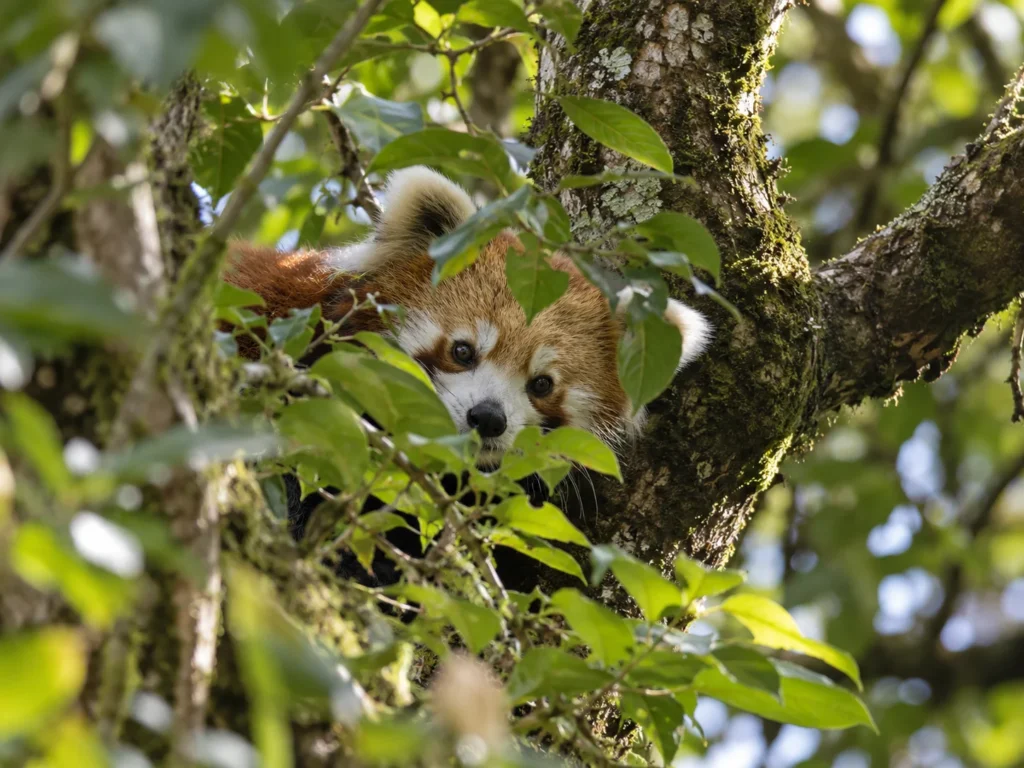
Red pandas live in temperate mountain forests across parts of the Himalayas and southwestern China. Shy Animals are generally quiet and spend much of their time in trees, where branches provide cover and escape routes. Individuals differ, but some show distinctly timid or standoffish behavior around unfamiliar people or animals, so “shy” should not be treated as universal.
4. Snow Leopard
Snow leopards are famously elusive cats of the rugged mountains of Central and South Asia. They rely on rocky terrain, camouflage, and solitary movement to remain difficult to detect. Their elusiveness is not proof of human-like shyness, but they generally avoid unnecessary contact with people and use concealment as a major part of their lifestyle.
5. Tapir
Tapirs are large forest and wetland herbivores found in the Americas and Southeast Asia, depending on the species. They often rest in dense vegetation and may be most active during cooler or darker hours. Despite their size, they commonly prefer retreat to unnecessary confrontation and can use thick cover or water when disturbed.
6. Platypus
The platypus is one of the clearest examples of an animal directly described as shy. This Australian mammal spends much of its active time in freshwater, and when threatened it usually tries to escape by diving and swimming away. Males possess venomous spurs for defense, but avoidance remains an important response to danger.
7. Aardvark
Aardvarks are nocturnal African mammals that spend daylight hours in burrows and emerge after dark to forage. Their behavior is strongly cautious: before fully leaving a burrow, an aardvark may pause and inspect its surroundings. They are solitary, rarely seen, and often depend on underground shelter to limit unnecessary exposure.
8. Armadillo
Armadillos are protected by armor, but many species still favor escape, digging, hiding, or defensive postures over fighting. Three-banded armadillos can famously roll into a ball. Because species use different tactics, they should not all be described identically, yet avoidance and physical protection are common themes in their responses to danger.
9. Slow Loris
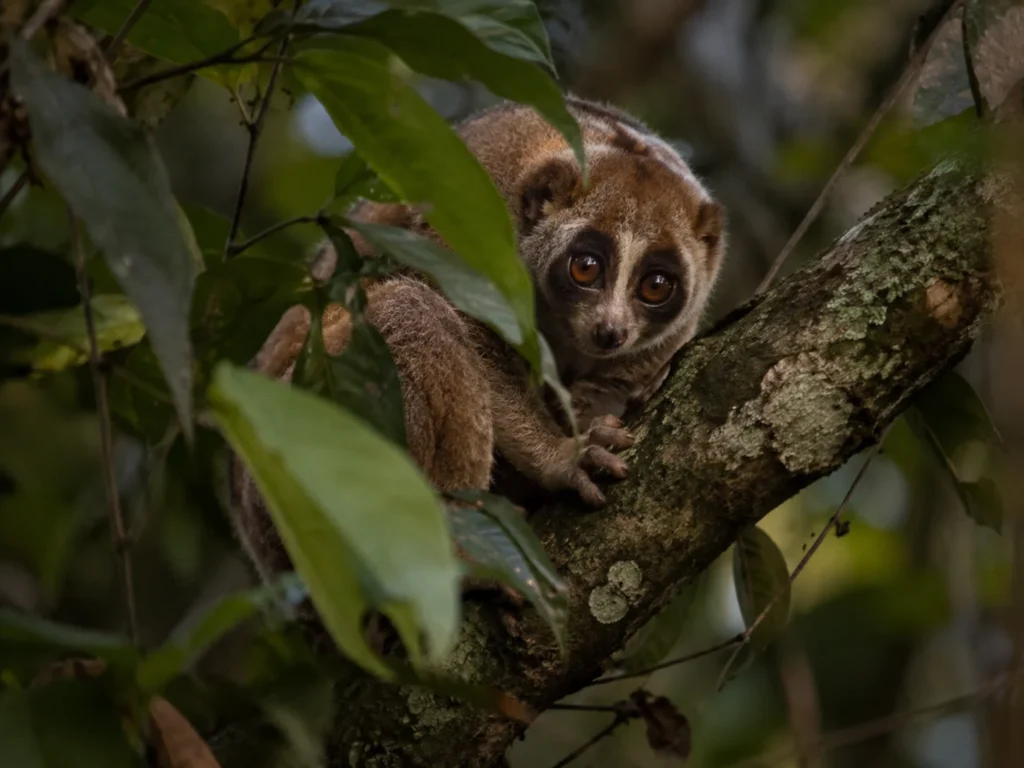
Slow lorises are nocturnal primates from South and Southeast Asia that move carefully through trees and rest in concealed places by day. Their secretive lifestyle can look like timidity, although nocturnality alone does not equal shyness. They are also capable of defending themselves, including with a rare venomous bite, so “shy” should not mean defenseless.
10. Kiwi
Kiwi are flightless birds native to New Zealand. Most are active at night and spend daylight hours in burrows, hollow logs, or dense vegetation, making them difficult to observe. Shy Animals behavior is secretive and often cautious around disturbance, although their nocturnal schedule is also a major reason people rarely encounter them.
11. Rabbit
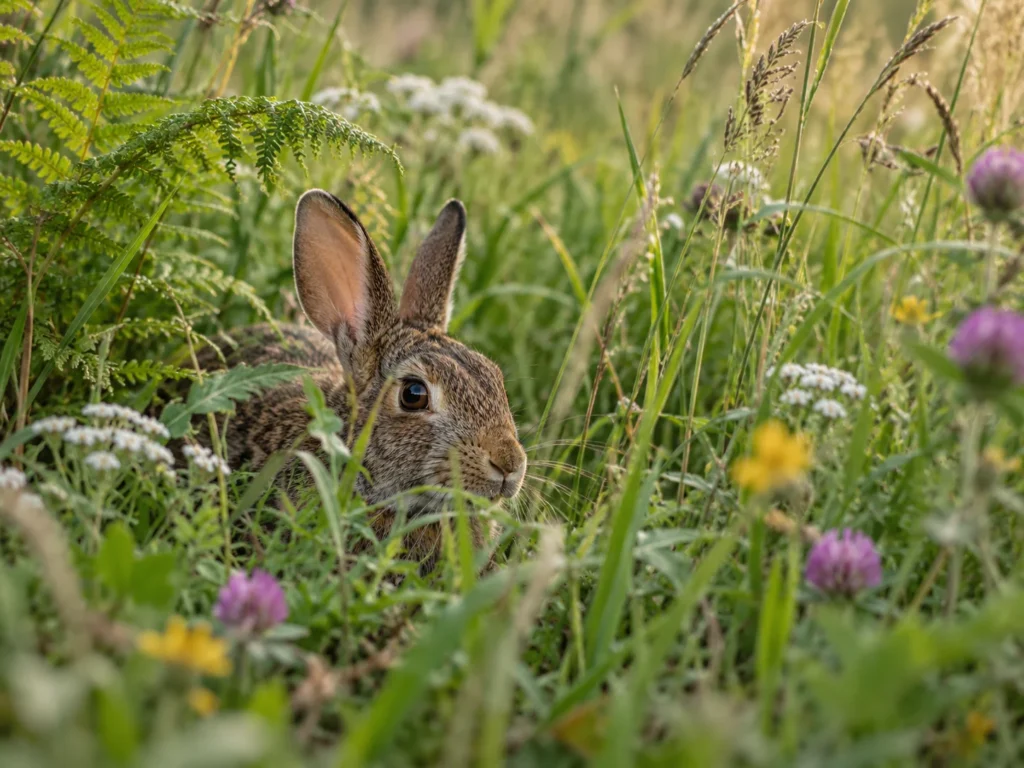
Rabbits are classic prey animals whose behavior is shaped by constant awareness of danger. A rabbit may freeze when it notices something suspicious, then sprint toward cover if the threat becomes clearer. This freeze-and-retreat pattern is a strong example of cautious behavior that reduces exposure to predators without requiring confrontation.
12. Deer
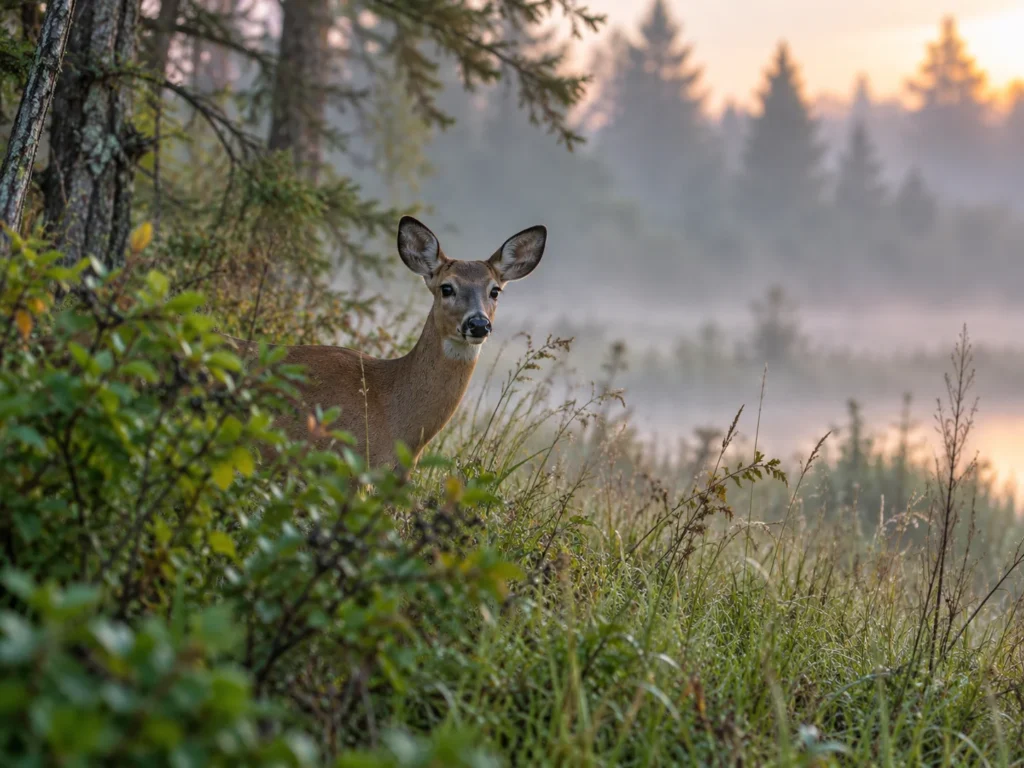
Many wild deer are highly alert around unfamiliar movement, scent, sound, or people. They may stop to assess a possible threat before moving away or fleeing. Their behavior varies by location and experience, however; deer that regularly encounter people can become more tolerant than animals living in remote or heavily hunted areas.
13. Fennec Fox
The fennec fox is a small North African desert fox that is mainly nocturnal in the wild. Some individuals behave cautiously in new surroundings and may stay behind rocks or other cover before approaching. Fennecs can also be curious, showing that an animal can investigate something unfamiliar while still doing so carefully.
14. Wombat
Wombats are sturdy Australian marsupials that spend substantial time in burrows used for shelter and temperature control. When danger appears, retreating toward a burrow can be safer than remaining exposed. Wombats are powerful and can defend themselves if cornered, showing that cautious behavior does not mean an animal is weak.
15. Octopus
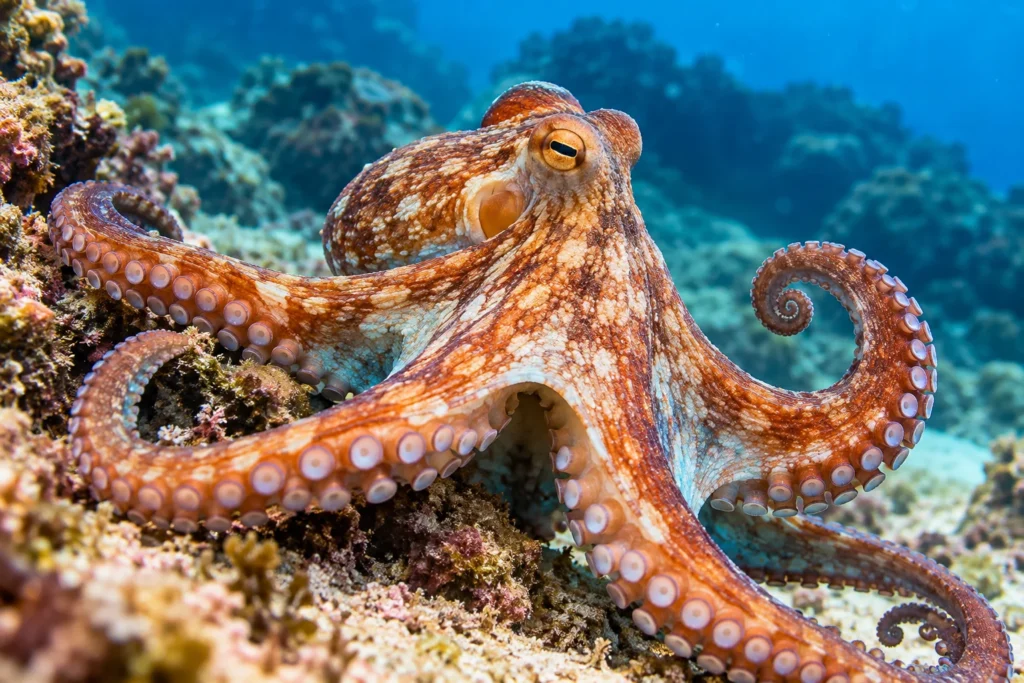
Many octopuses rely on hiding, camouflage, dens, and rapid escape when danger approaches. They can change appearance, squeeze into narrow spaces, or disappear into sheltered crevices. Research also indicates individual differences in responses to unfamiliar or threatening situations, making octopuses a useful example of cautious behavior beyond mammals and birds.
Quick Comparison of Shy Animals
| Animal | Typical Cautious Behavior | Main Benefit |
| Okapi | Stays within dense cover | Reduces detection |
| Pangolin | Hides, escapes, or curls up | Avoids confrontation |
| Snow leopard | Uses concealment and remote terrain | Remains difficult to detect |
| Platypus | Dives and swims away | Escapes threats |
| Aardvark | Checks surroundings and retreats to burrows | Limits exposure |
| Rabbit | Freezes, then rapidly retreats | Evades predators |
| Deer | Watches, assesses, and flees | Responds early to danger |
| Octopus | Hides, camouflages, or escapes | Avoids attack |
Why Are Some Animals Naturally Shy?
Cautious behavior can develop because taking risks has costs. For a prey species, stepping into an open area too quickly may increase the chance of being seen by a predator. For a solitary animal, unnecessary conflict with another animal can cause injury without providing much benefit.
Habitat matters too. Shy Animals that evolved in dense forests, burrows, rocky mountains, or complex underwater environments often have many opportunities to stay concealed. Some of these species may also be described as quiet animals because they rely more on hiding, stillness, camouflage, or subtle signals than on frequent loud vocalizations. When hiding works, there may be little reason to remain exposed.
Individual differences also matter. Behavioral research has documented shy-bold variation within animal populations. Some individuals consistently explore faster, while others hesitate, freeze, hide, or keep more distance. That means “shy animal” is often a useful description, not a fixed rule for every individual.
Shy vs Solitary vs Nocturnal vs Elusive Animals
These terms often overlap, but they describe different things.
| Term | What It Means |
| Shy or cautious | Tends to take fewer risks or avoid unfamiliar threats |
| Solitary | Usually spends much of its time alone |
| Nocturnal | Is mainly active at night |
| Elusive | Is difficult for people or predators to detect or observe |
An aardvark, for example, can be solitary, nocturnal, elusive, and cautious at the same time. A nocturnal animal, however, is not automatically one of the Shy Animals. Likewise, Energetic Animals are not necessarily active at all hours, since activity levels often depend on feeding schedules, temperature, competition, and predator pressure. Keeping these definitions separate makes animal descriptions more accurate and prevents normal survival behavior from being treated like a human personality label.
Does Being Shy Help Animals Survive?
Shyness can be useful when caution lowers the chance of injury or predation. Freezing can prevent a predator from noticing movement, while hiding or retreating can end an encounter before it becomes dangerous. Avoiding unfamiliar objects may also protect an animal from risks it has not yet assessed.
But boldness can have advantages too. A bolder animal may reach food sooner, explore new habitat, or take advantage of opportunities that a cautious individual misses. There is no universal rule that shy animals survive better. The value of either strategy depends on the species, environment, and situation.
Frequently Asked Questions
What Are Some of the Shyest Animals?
Animals commonly described as especially shy or cautious include aardvarks, platypuses, rabbits, deer, okapis, pangolins, and some individual red pandas. There is no scientifically established universal ranking of the “shyest” species, so it is more accurate to compare observable avoidance and risk-taking behavior.
Why Are Some Animals Shy Around Humans?
Wild animals may avoid humans because people are unfamiliar, unpredictable, or associated with danger. Previous experience also matters. Animals exposed to hunting or disturbance may respond differently from individuals that regularly encounter calm human activity.
Are Shy Animals Always Solitary?
No. Shyness and solitary living describe different aspects of behavior. A social animal can be cautious around new situations, while a solitary animal can be bold when exploring or defending its territory.
Are Nocturnal Animals Usually Shy?
Not necessarily. Nocturnal animals are active mainly at night, often because of temperature, food availability, competition, or predator pressure. Their nighttime schedule can make them hard to observe, but that alone does not show that they are shy.
Can Animals Have Different Personalities?
Yes. Behavioral research has found consistent individual differences in traits such as boldness, exploration, activity, aggression, and sociability in many animal groups. Two members of the same species can therefore respond very differently to the same unfamiliar situation.
Final Thoughts
Shy animals show that survival does not always depend on aggression or confrontation. Freezing, hiding, retreating, and carefully assessing danger can be effective strategies, but these behaviors should be described precisely rather than confused with being solitary, nocturnal, or simply difficult to find.




One Comment