
Animals With the Lowest IQ: 17 Commonly Misjudged Species
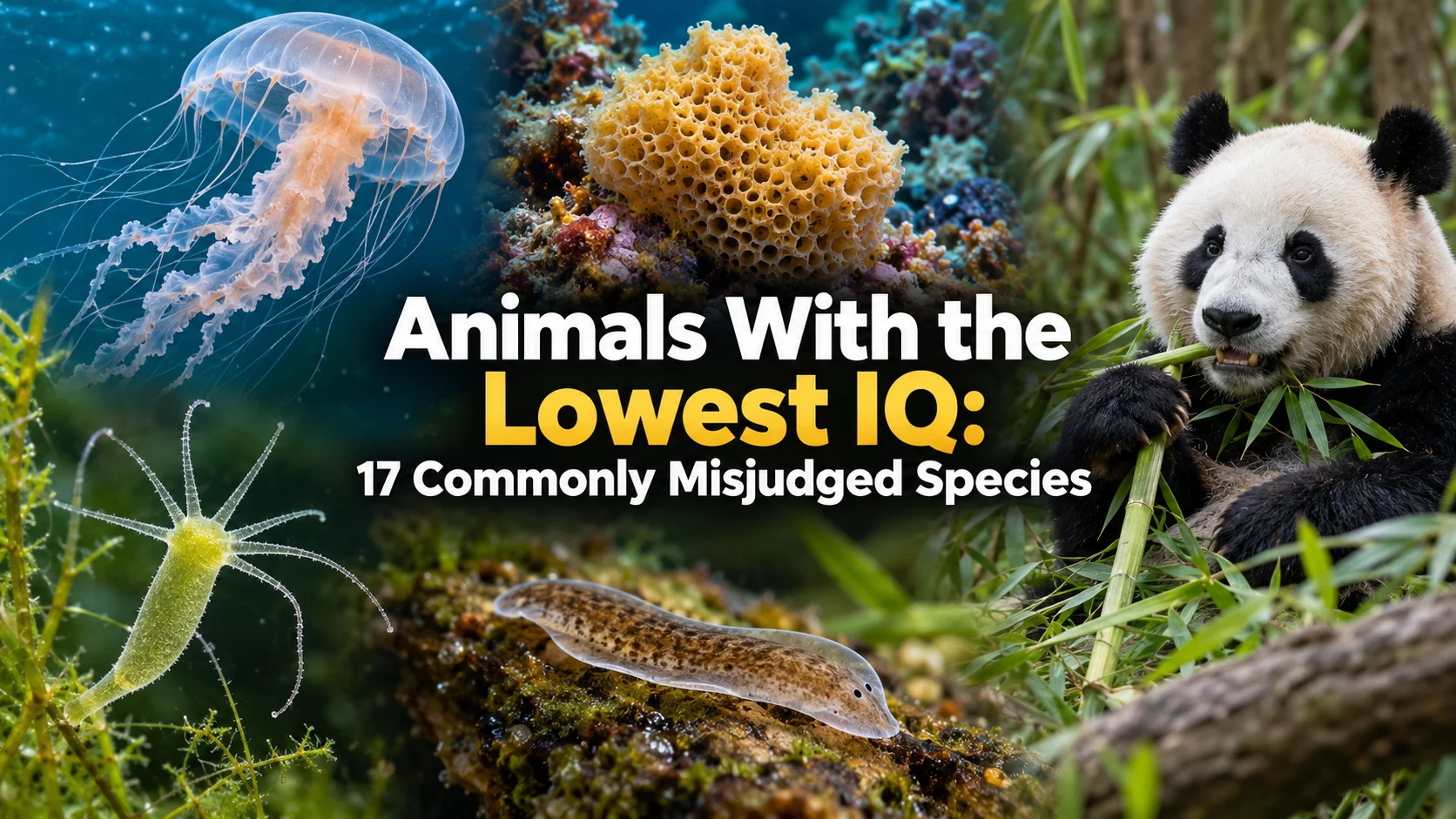
Animals with the lowest IQ are often described in online lists as slow, simple, or unusually poor at problem-solving. The problem is that scientists do not give different animal species comparable human-style IQ scores. Some animals genuinely have extremely simple nervous systems, while others are simply misunderstood because their behavior looks unusual to us. Looking at nervous-system structure, learning, memory, and ecological specialization gives a far more accurate picture of animal intelligence.
There is no scientific ranking of animals by universal IQ. Some species, such as sponges and jellyfish, have extremely simple or decentralized nervous systems, while animals like koalas, sloths, sheep, and chickens are often underestimated. Intelligence varies by species, environment, sensory abilities, learning demands, and the type of cognitive task being measured.
Can Animals Really Have IQ Scores?
Human IQ tests are designed around human abilities such as language, pattern recognition, memory, and abstract reasoning. Applying the same scale to a jellyfish, bird, marsupial, or sea star would not produce a meaningful comparison because these animals experience and respond to their environments in very different ways. Scientists instead study specific aspects of animal cognition. These may include learning, memory, problem-solving, social recognition, navigation, behavioral flexibility, and the ability to associate one event with another.
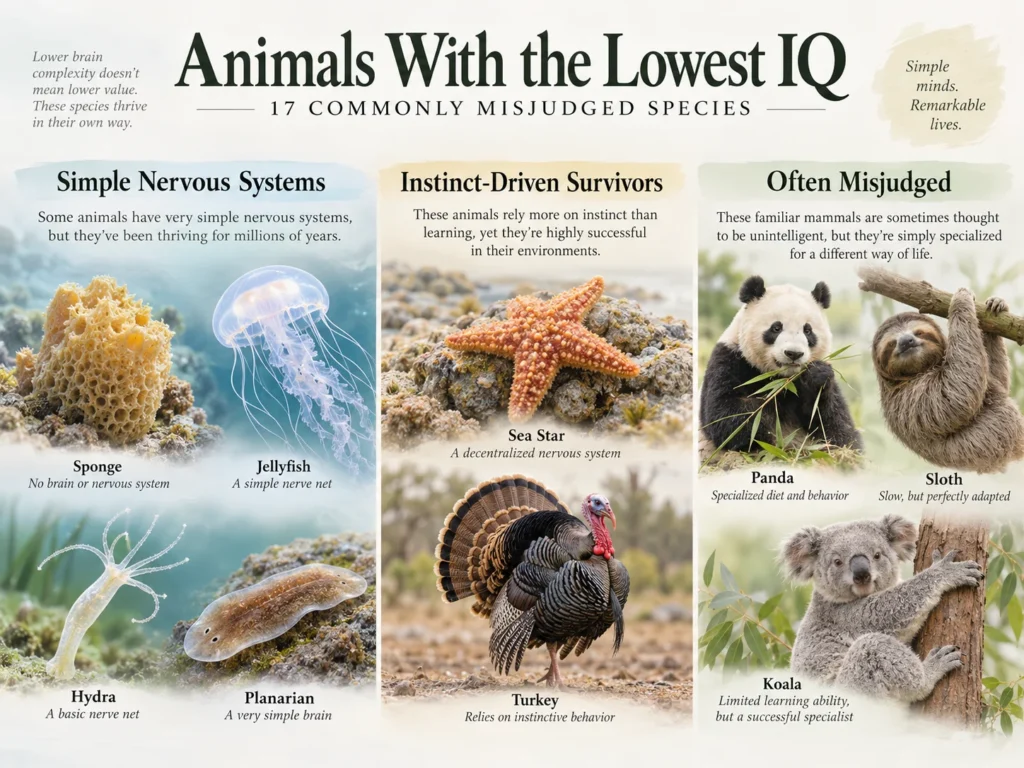
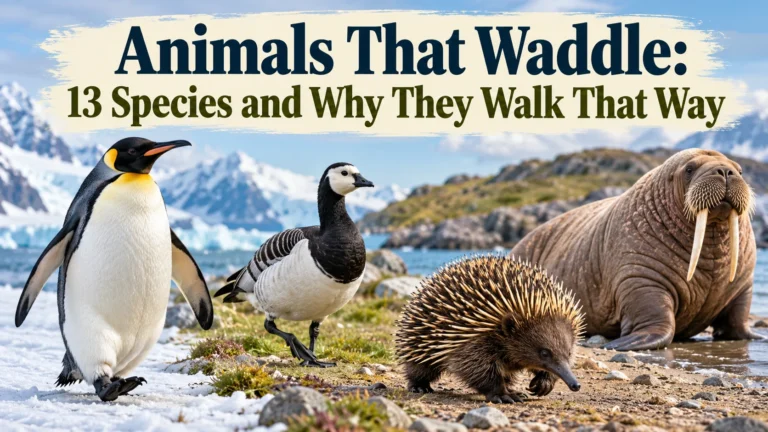
That means an animal can perform poorly on one task while being highly effective at solving problems that matter in its natural environment. A sloth does not need the same cognitive toolkit as a crow, and a jellyfish does not need the type of centralized brain found in mammals. The same principle applies when comparing intelligence with physical traits seen in Animals That Waddle, because movement style says little about cognitive ability. The 17 animals below are therefore not ranked from least to most intelligent. Some have very simple nervous systems, while others have merely developed unfair reputations for being unintelligent.
Animals With the Lowest IQ at a Glance
| Animal | Why It Appears on Low-IQ Lists | More Accurate Scientific Context |
|---|---|---|
| Sponge | No brain or nervous system | Coordinates behavior through cellular signaling |
| Placozoan | Extremely simple body | Functions without a conventional nervous system |
| Jellyfish | No centralized brain | Uses distributed neural networks |
| Sea anemone | Simple nerve net | Can show learning in controlled experiments |
| Hydra | Tiny nervous system | Shows basic forms of behavioral change |
| Sea star | No central brain | Uses decentralized neural control |
| Sea cucumber | Simple neural organization | Coordinates movement and sensory responses |
| Planarian | Simple nervous system | Capable of learning |
| Koala | Specialized lifestyle | Popular reputation exceeds evidence |
| Three-toed sloth | Extremely slow | Slowness is mainly an energy-saving adaptation |
| Giant panda | Awkward-looking behavior | Specialized ecology does not prove low intelligence |
| Domestic turkey | Cultural stereotypes | Normal bird behavior is often misinterpreted |
| Ostrich | Persistent myths | Defensive and nesting behavior is misunderstood |
| Kakapo | Poor response to introduced predators | Reflects evolutionary history |
| Sheep | “Follower” stereotype | Shows learning and social recognition |
| Chicken | Considered simple-minded | Displays substantial cognitive abilities |
| Virginia opossum | Defensive immobility | Survival response, not evidence of stupidity |
1. Sponge
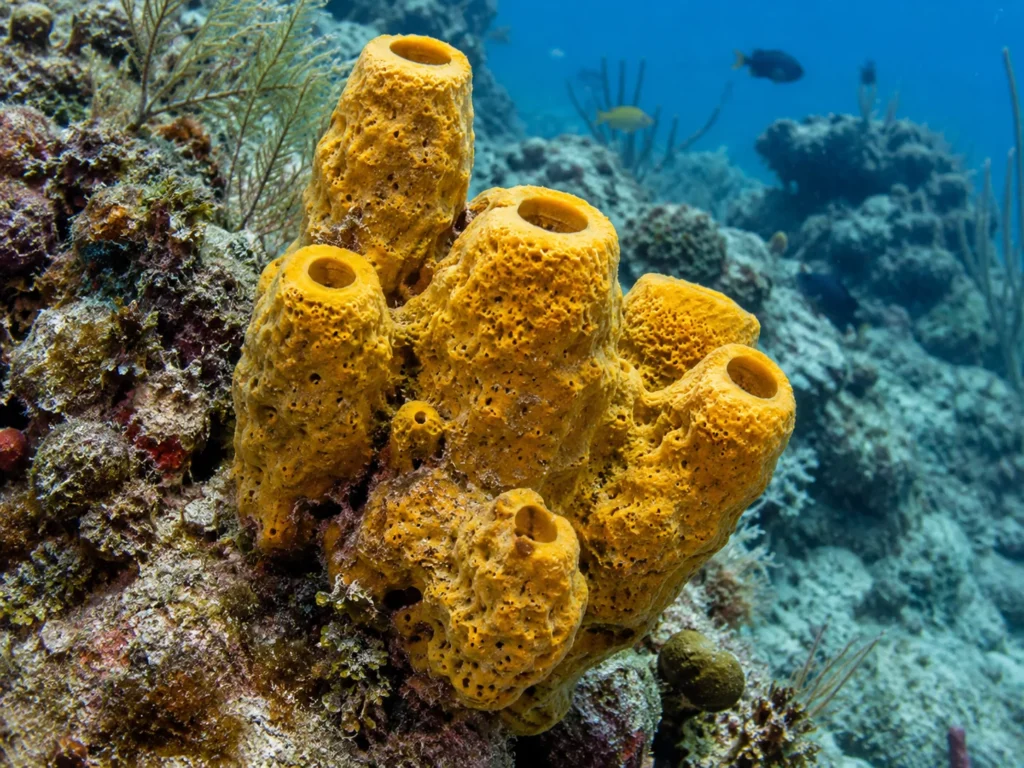
Sponges are among the simplest animals and often appear on lists of animals with the lowest IQ because they do not have a conventional nervous system or centralized brain. For that reason, they are sometimes described as having almost no intelligence. Calling a sponge “low IQ,” however, is not scientifically meaningful. Sponges coordinate water flow, feeding, and responses to environmental changes through communication between cells rather than neurons. They are excellent examples of how an animal can function successfully without the type of nervous system humans usually associate with behavior.
2. Placozoa
Placozoans are tiny, flat marine animals with extremely simple bodies, which is why they sometimes appear in discussions of animals with the lowest IQ. They lack a conventional brain and nervous system, yet they can move, locate food, and coordinate feeding behavior. Their actions depend heavily on chemical signaling and interactions among specialized cells. This organization is far removed from vertebrate cognition, but it is still effective for the animal’s lifestyle. Rather than being unintelligent, placozoans demonstrate how little neural complexity some animals need to survive.
3. Jellyfish
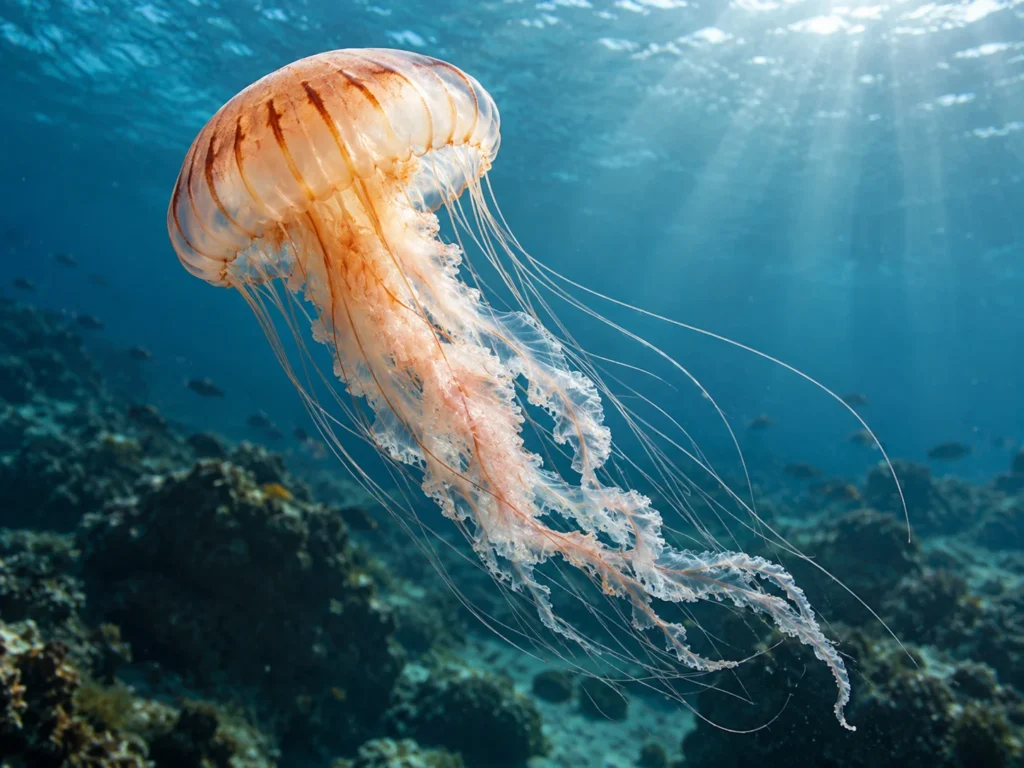
Jellyfish often appear on lists of animals with the lowest IQ because they lack a centralized brain like those found in mammals, birds, and reptiles. Instead, many species rely on distributed networks of nerve cells that coordinate swimming, feeding, and responses to light or touch. Unlike Mischievous Animals, whose behavior may involve curiosity, play, problem-solving, or deliberate interaction with their surroundings, jellyfish operate through much simpler neural systems. Some species possess more concentrated sensory structures that help them orient themselves and respond to environmental cues. Their nervous systems are simple compared with those of vertebrates, but describing jellyfish using a human IQ score would make little biological sense.
4. Sea Anemone
Sea anemones sometimes appear in discussions of animals with the lowest IQ because they possess nerve nets rather than centralized brains. Their stationary appearance can make their behavior seem extremely simple. Experiments have nevertheless shown that at least some sea anemones can form associations between different stimuli. This is important because it demonstrates that basic learning does not always require a large, centralized brain. Sea anemones challenge the assumption that nervous-system simplicity automatically means an inability to learn.
5. Hydra
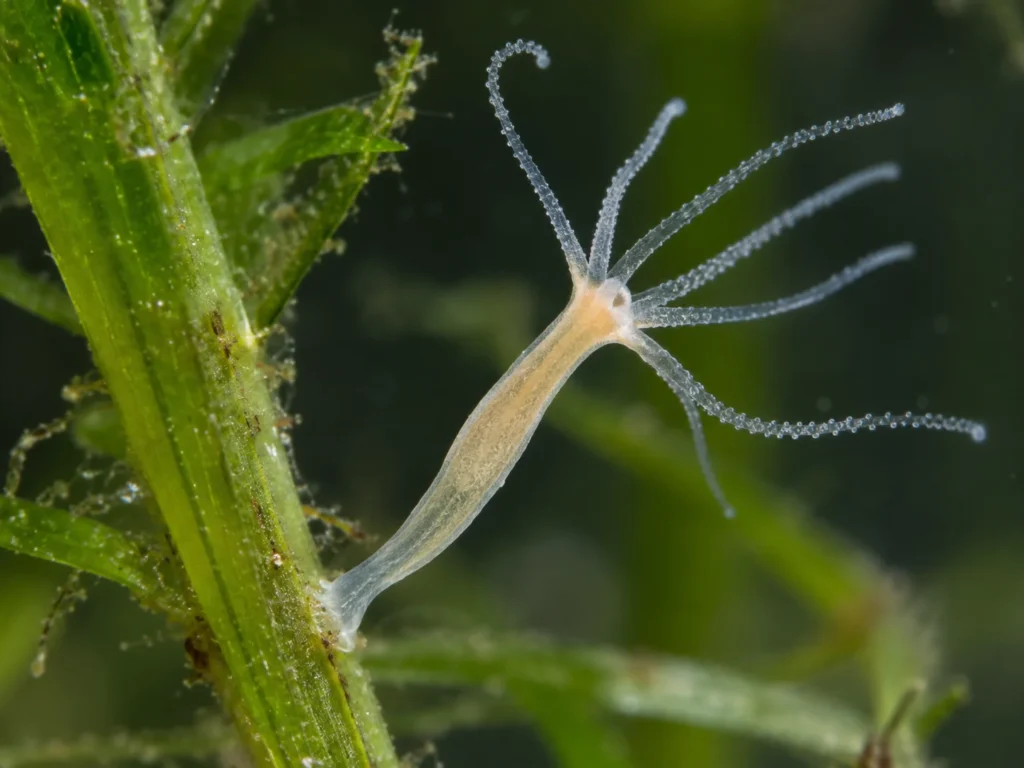
Hydra are tiny freshwater animals related to jellyfish and sea anemones, and they are sometimes included among animals with the lowest IQ because of their simple nervous systems. Their nervous systems consist of relatively simple networks of neurons distributed around the body. Their behavioral repertoire is limited compared with that of vertebrates, but hydra can still change their responses after repeated stimulation. Such processes are associated with basic forms of learning such as habituation. Their inclusion in low-IQ discussions is therefore more about neural simplicity than measurable intelligence.
6. Sea Star
Sea stars, commonly called starfish, are sometimes placed on lists of animals with the lowest IQ because they do not have a single centralized brain. Instead, they possess a nerve ring connected to radial nerves extending into their arms. This arrangement allows them to coordinate tube feet, movement, feeding, and responses to environmental signals. Their neural organization looks very different from the vertebrate pattern but still performs the tasks necessary for survival. A decentralized nervous system should not automatically be interpreted as a failed or inferior one.
7. Sea Cucumber
Sea cucumbers are echinoderms related to sea stars and often appear in discussions of animals with the lowest IQ because they also lack a vertebrate-like centralized brain. Their nervous systems help coordinate movement, feeding structures, and responses to disturbances. Their behaviors are not as flexible or complex as those seen in many mammals and birds, but their ecology demands a very different set of abilities. Calling a sea cucumber unintelligent therefore says more about human expectations than about whether its nervous system works effectively.
8. Planarian
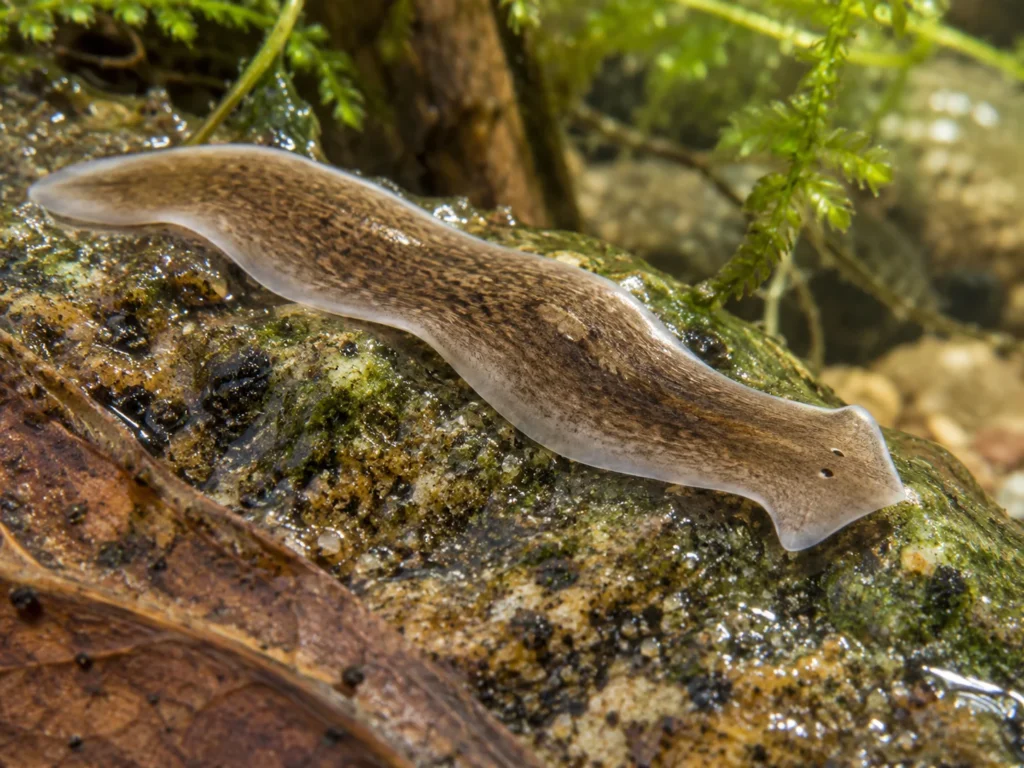
Planarians are sometimes included among animals with the lowest IQ because they have relatively simple nervous systems, including concentrations of nerve cells toward the head and paired nerve cords running through the body. Despite their simplicity, planarians have long been studied in experiments involving learning and memory. Their behavior shows that small nervous systems can still support changes based on experience. They provide a useful bridge between animals with diffuse nerve networks and species with much more centralized brains.
9. Koala
Koalas frequently appear on lists of animals with the lowest IQ. Their specialized eucalyptus diet, relatively inactive lifestyle, and unusual brain anatomy have encouraged that reputation. However, none of these characteristics provide a meaningful numerical IQ score. Koalas are highly specialized for a particular ecological niche, and specialization can reduce the need for certain forms of behavioral flexibility without proving general stupidity. Their cognitive abilities should therefore be judged through appropriate behavioral research rather than popular stereotypes.
10. Three-Toed Sloth
Sloths are commonly included in popular lists of animals with the lowest IQ because they move extremely slowly. Their slow pace, however, is primarily connected to energy conservation and their low-calorie leaf-based diet. Moving slowly reduces energy expenditure and can also help sloths remain inconspicuous in the forest canopy. These adaptations have clear survival value. There is no scientific basis for assuming that slow movement automatically means slow thinking or unusually low intelligence.
11. Giant Panda

Giant pandas sometimes appear on lists of animals with the lowest IQ because they are portrayed as clumsy, awkward, or poorly adapted, especially in viral videos. Their highly specialized bamboo diet is also occasionally treated as evidence of poor evolutionary decision-making. However, like many Animals That Growl, pandas use vocalizations and other signals as part of communication, showing that their behavior is more complex than simple stereotypes suggest. Evolution does not work through conscious choices, and specialization is not an IQ test. Pandas can learn, navigate their environments, interact socially, and adjust their behavior based on experience. Their low-intelligence reputation is therefore much stronger in popular culture than in scientific evidence.
12. Domestic Turkey
Domestic turkeys often appear on lists of animals with the lowest IQ because of numerous stories claiming that they are exceptionally unintelligent. Many of these claims are exaggerated versions of unusual bird behavior. Modern domestic turkeys have also been shaped heavily by selective breeding, particularly for rapid growth and meat production. This can influence mobility and behavior without demonstrating poor cognition. Turkeys communicate, respond to social cues, learn routines, and interact with their surroundings like other birds.
13. Ostrich
Ostriches are still associated with the myth that they bury their heads in sand when frightened. That story has contributed significantly to their reputation as unintelligent animals. In reality, ostriches may lower their heads close to the ground while tending nests or attempting to remain less noticeable. From a distance, this posture can create the illusion that the head has disappeared underground. A misunderstood defensive or nesting behavior is not evidence of low intelligence.
14. Kakapo
The kakapo is a large, flightless, nocturnal parrot from New Zealand that sometimes appears on lists of animals with the lowest IQ because of its unusual response to some threats. Its tendency to freeze when threatened can be ineffective against some introduced mammalian predators. That behavior makes more sense when viewed through evolutionary history. Kakapos evolved in an environment where many traditional threats were detected differently from recently introduced predators. Failure to respond effectively to a novel ecological danger should not automatically be interpreted as cognitive weakness.
15. Domestic Sheep
Domestic sheep sometimes appear on lists of animals with the lowest IQ because the stereotype of “blind following” has influenced how the animals themselves are perceived. Research on sheep shows that they can learn, remember individuals, navigate social relationships, and distinguish between familiar faces. Their strong flocking behavior is also a defensive strategy that reduces individual predation risk. Following a group can therefore be adaptive rather than evidence of an inability to think independently.
16. Domestic Chicken
Chickens are frequently included in popular lists of animals with the lowest IQ because they are common farm animals and much of their behavior appears simple to casual observers. Research has documented learning, memory, communication, social relationships, numerical discrimination, and other cognitive abilities in chickens. Their brains are organized differently from mammalian brains, but different architecture does not mean an absence of complex processing. Chickens are a strong example of an animal whose popular reputation does not match the full scientific picture.
17. Virginia Opossum
Virginia opossums sometimes appear on lists of animals with the lowest IQ because they may become motionless when facing an overwhelming threat. This response, commonly called “playing possum,” is not simply a conscious decision to behave foolishly. Extreme defensive immobility can involve powerful physiological responses that make the animal appear dead and may discourage some predators. A specialized survival mechanism should therefore not be confused with low intelligence.
What Do Different Nervous Systems Actually Mean?
| Nervous-System Type | Examples | What It Tells Us |
|---|---|---|
| No conventional nervous system | Sponge, placozoan | Complex brains are not required for basic coordinated behavior |
| Nerve net | Jellyfish, hydra, sea anemone | Information can be processed without a single central brain |
| Decentralized nervous system | Sea star, sea cucumber | Neural control can be distributed across the body |
| Simple centralized system | Planarian | Small neural systems can still support learning |
| Vertebrate brain | Koala, panda, sheep, chicken | Cognition must be tested through species-appropriate tasks |
Why Brain Size Does Not Equal Intelligence
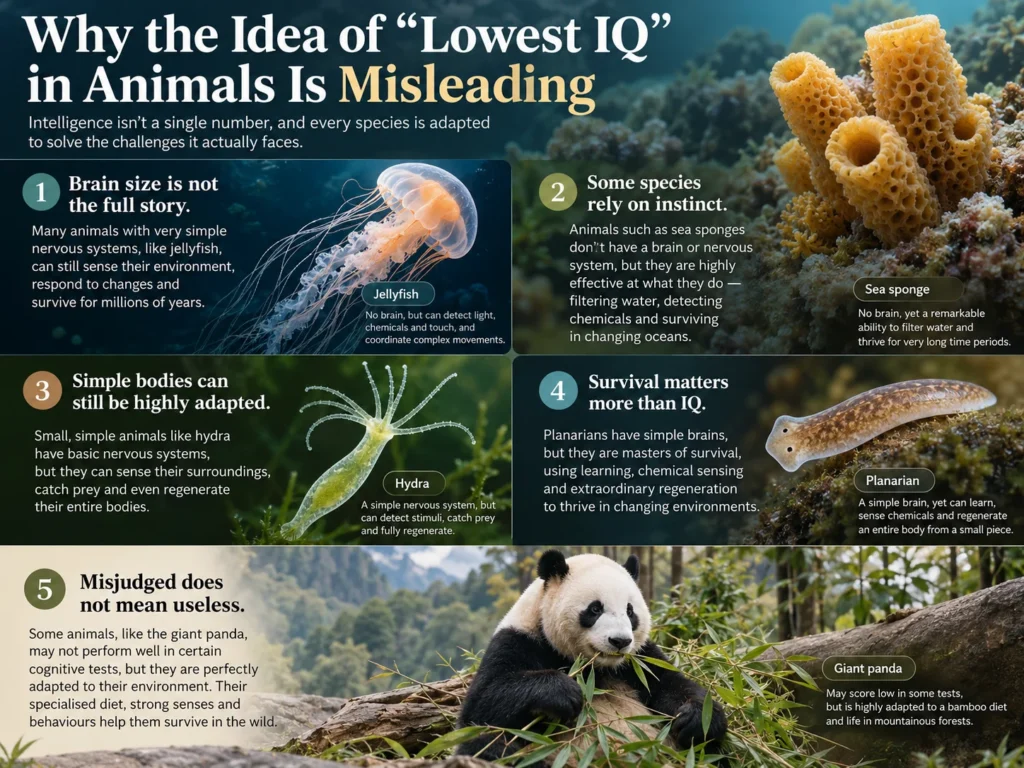
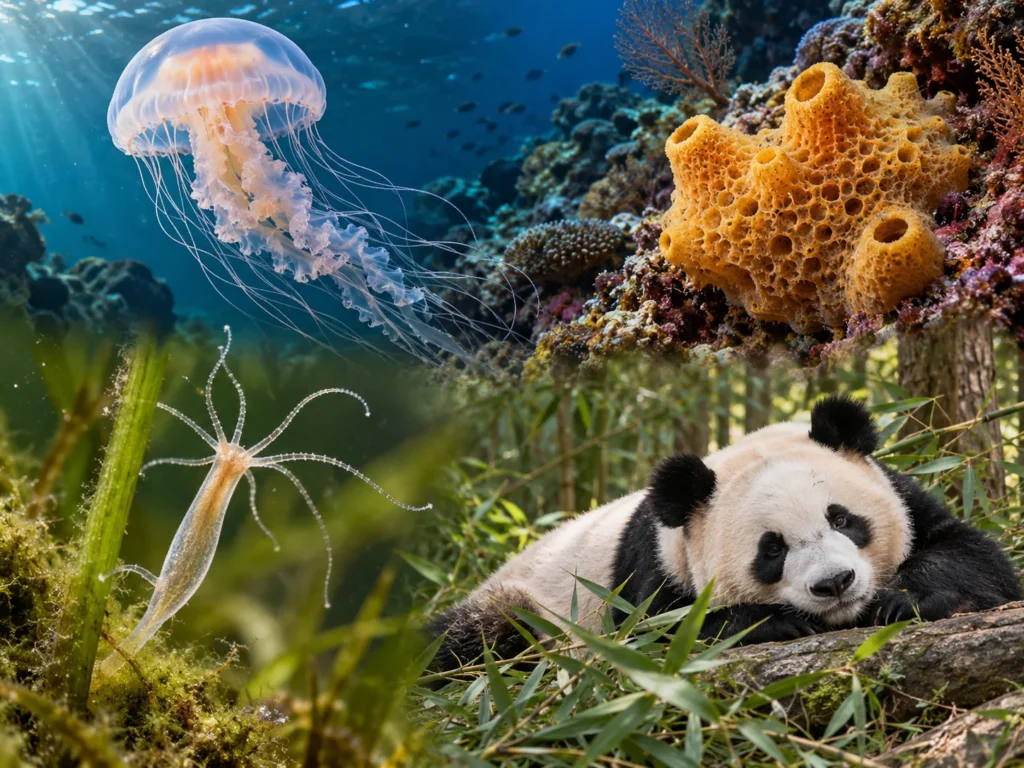
Brain size alone is a poor way to rank animal intelligence. Larger animals often require larger brains simply to manage larger bodies, more muscles, and greater amounts of sensory information. Researchers may instead consider neuron numbers, brain organization, learning performance, ecological demands, and the cognitive task being tested. The same caution applies when describing Stubborn Animals, because persistence or resistance to changing behavior does not automatically indicate low intelligence. Even these measures do not combine neatly into one universal intelligence score. A small-brained animal may perform exceptionally well in navigation or social recognition while performing poorly on a task designed around abilities it rarely uses in nature.
Why Animal Intelligence Is Hard to Compare
Different species rely on different senses and motivations. A dog may perform better on a task involving smell, while a bird may excel when visual memory or spatial navigation is required. Experimental design can therefore affect which animal appears “smart.” If researchers use an unsuitable reward, sensory cue, or motor task, an animal may fail for reasons unrelated to cognition. This is why modern animal cognition research generally focuses on specific abilities rather than attempting to produce a single IQ leaderboard covering every species.
FAQs
What animal has the lowest IQ?
There is no scientifically accepted animal with the lowest IQ because animals are not ranked on one universal IQ scale. Species such as sponges have extremely simple neural organization, but assigning them a human-style IQ score would not be meaningful.
Can animals have IQ scores?
Animals can be tested for specific cognitive abilities, including memory, learning, problem-solving, and social recognition. However, these results cannot normally be converted into human IQ scores that allow every species to be ranked fairly.
Which animals have the simplest nervous systems?
Sponges lack a conventional nervous system altogether, while animals such as jellyfish, hydra, and sea anemones rely on relatively simple neural networks. Sea stars and sea cucumbers also use decentralized nervous systems.
Do jellyfish have brains?
Jellyfish do not have a centralized brain like mammals or birds. They use distributed neural networks, along with sensory structures that vary between species, to coordinate movement and respond to their surroundings.
Are koalas really unintelligent?
There is no reliable scientific IQ score showing that koalas are among the least intelligent mammals. Their specialized diet and lifestyle can limit some forms of behavioral flexibility, but specialization itself does not prove low intelligence.
Does a small brain mean an animal is less intelligent?
Not necessarily. Brain size is influenced by body size, neural organization, sensory requirements, and evolutionary history. Intelligence is better examined through species-appropriate cognitive abilities than through brain size alone.
Final Thoughts
The phrase “animals with the lowest IQ” is useful for describing a popular search topic, but it should not be mistaken for a scientifically established ranking. Sponges, jellyfish, sea stars, and similar animals genuinely possess very simple or decentralized neural systems, yet those systems are appropriate for the lives these species lead. Other animals such as koalas, sloths, pandas, sheep, and chickens are often labeled unintelligent because humans misinterpret their behavior or judge them using inappropriate standards. Animal cognition is better understood as a collection of specialized abilities than as one ladder running from the smartest species to the dumbest.





One Comment