
Do Wolves Purr? The Sounds Wolves Make Explained
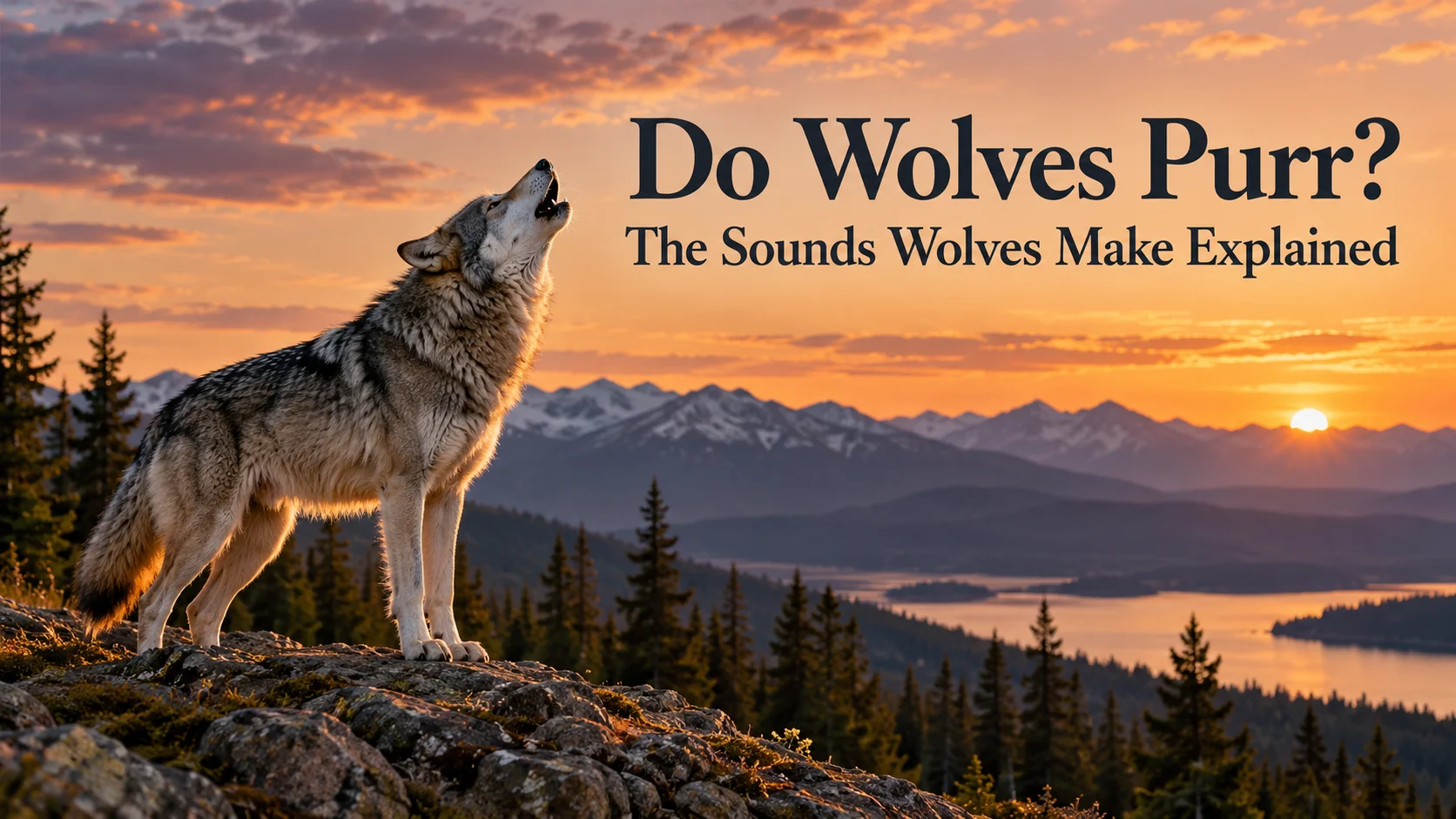
Wolves are highly vocal animals, but they are not known to produce a true cat-like purr. If you are asking Do Wolves Purr?, the answer is generally no in the recognized biological sense. Instead, wolves communicate through howls, growls, whines, whimpers, barks, and combinations of different calls. Some quieter wolf sounds may seem purr-like to human listeners, especially during close social interactions, but researchers do not normally classify them as purring.
The short answer to Do Wolves Purr? is no. Wolves do not produce a recognized true purr like domestic cats. They rely on howls, growls, whines, whimpers, barks, and mixed vocalizations. Some soft social sounds may seem purr-like, but their meaning depends on context, body posture, social relationships, and other communication signals.
Do Wolves Purr Like Cats?
The short answer is no; wolves are not known to purr in the same way domestic cats do. Purring is a distinctive vocal behavior associated especially with cats, while studies of wolf communication describe a different repertoire of sounds.
When people ask, ” Do wolves purr? ” they are often referring to soft, low vocalizations that resemble a quiet rumble. Gray wolves commonly communicate through howling, growling, barking, whining, and whimpering. They can also combine calls, producing sounds such as bark-howls or growl-barks.
These vocalizations can vary considerably depending on the social situation. It is therefore more accurate to say that wolves sometimes make soft or low sounds that may remind people of purring rather than describing those sounds as true purrs.
We also should not assume wolves cannot purr simply because they supposedly lack one particular “purring organ.” Vocal production in mammals is more complicated than that. The stronger scientific conclusion is that purring is not recognized as part of the normal wolf vocal repertoire.
Why Do Some Wolf Sounds Seem Like Purring?
A wolf does not spend all of its time producing dramatic howls or threatening growls. During close social interactions, wolves may make much quieter sounds, including whines, whimpers, squeaks, and low mixed vocalizations.
To someone hearing these sounds in a video or at close range, a soft continuous rumble can sometimes seem purr-like. Breathing noises, movement, and overlapping vocalizations can make the comparison even stronger.
This is why the question Do Wolves Purr? sometimes arises when people hear a calm wolf making unfamiliar noises. Resemblance, however, is not classification. A sound that reminds us of a cat purring is still better described according to documented wolf vocal behavior rather than being labelled a “wolf purr.”
What Sounds Do Wolves Make?
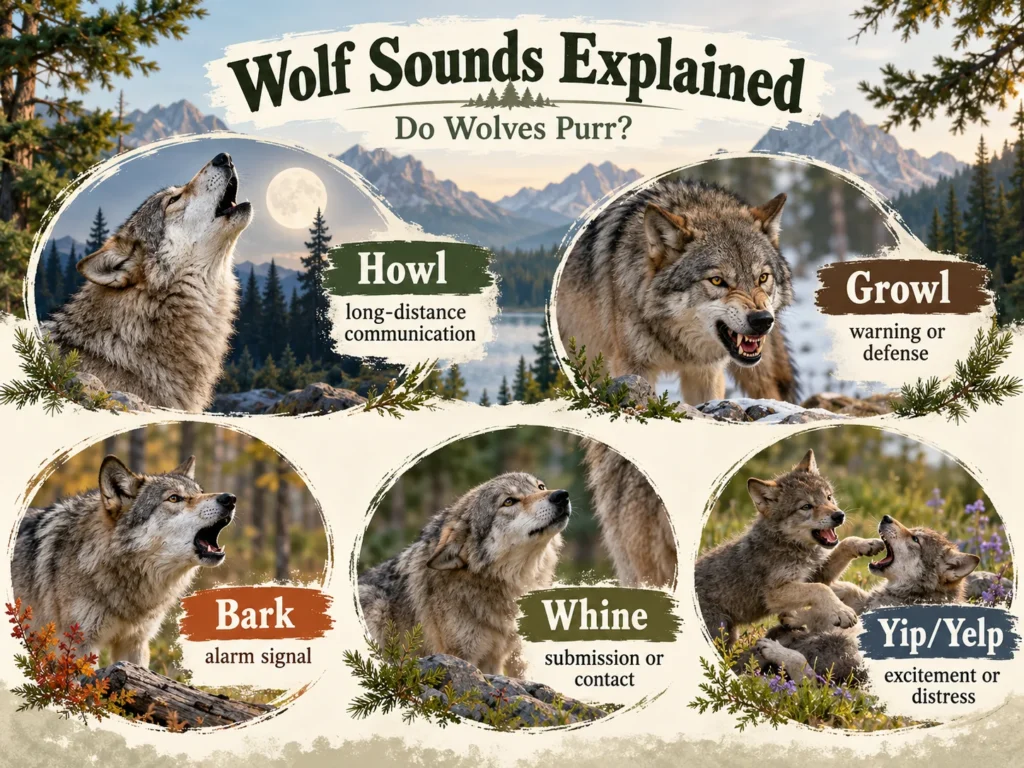
Wolves have a surprisingly varied vocal repertoire. Different calls tend to be associated with different situations, but none works like a perfect dictionary entry. Understanding this repertoire also helps explain Do Wolves Purr? because the quieter sounds people mistake for purring usually belong to other recognized wolf vocalizations.
| Wolf Sound | Common Context |
| Howl | Long-distance contact, pack cohesion, territorial signaling |
| Whine / Whimper | Close social interaction, greeting, submission, attention |
| Growl | Warning, tension, defense, competition |
| Bark | Alert or defensive communication |
| Mixed calls | Complex social or warning situations |
The meaning of a wolf sound depends heavily on what is happening around the animal. Body posture, distance from other wolves, facial expression, and social relationships all help determine what a vocalization is communicating.
Why Do Wolves Howl?
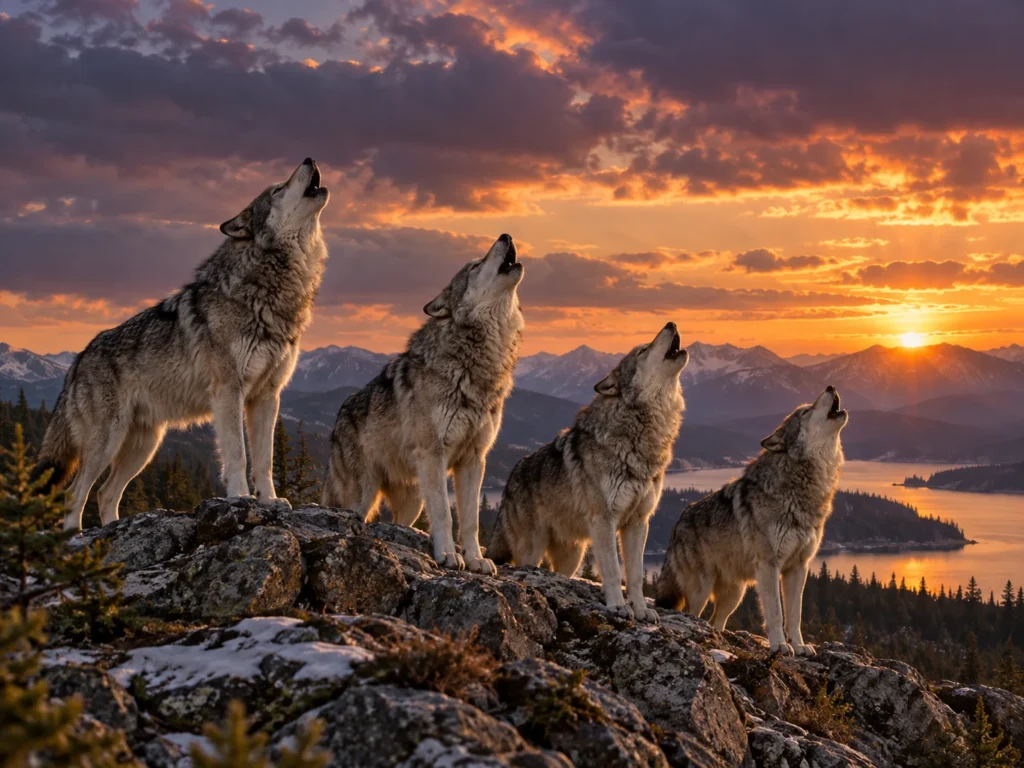
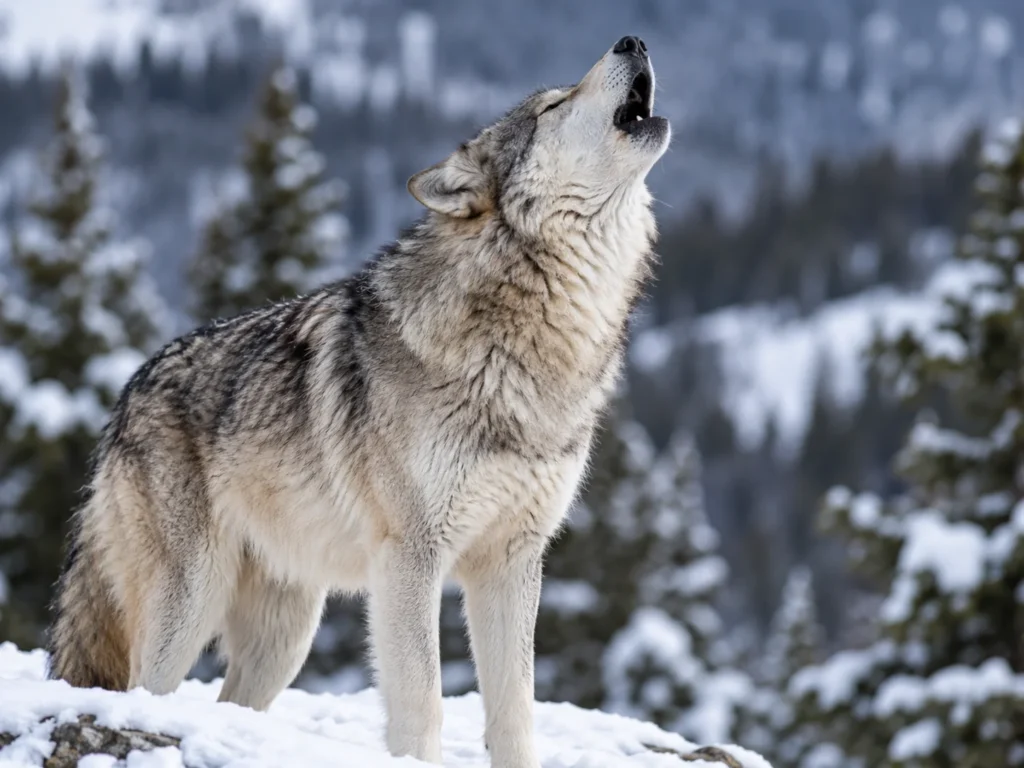
Howling is the wolf vocalization most people recognize. Unlike quieter calls, a howl is long and sustained, making it useful for communicating across considerable distances.
Wolves may howl to maintain contact with pack members, locate individuals that have become separated, rally the group, or advertise their presence to unfamiliar wolves. Howling can also play a role in territorial communication, reducing the need for packs to meet directly.
Social relationships matter as well. Wolves do not necessarily howl simply because they are frightened or lonely. Research has shown that the strength of the relationship between pack members can influence how wolves respond when another individual becomes separated from the group.
This makes the howl both a practical long-distance signal and an important part of wolf social life.
Do Wolves Howl at the Moon?
Wolves do not specifically howl at the moon. They can howl during daylight or darkness, and the moon itself is not what triggers the call.
The familiar image probably comes partly from the fact that wolves raise their heads when howling, which helps project the sound outward. Howls are also especially noticeable at night when the environment is quieter.
A wolf silhouetted beneath a bright moon makes a memorable image, but the animal is communicating with other wolves rather than calling to the moon.
Why Do Wolves Whine and Whimper?
Whining and whimpering are much softer than howling and are typically useful at closer range. These sounds are especially relevant for readers asking Do Wolves Purr?, because they can occur during relatively calm or social interactions and may occasionally sound purr-like.
Wolves may whine or whimper during greetings, submissive behavior, appeasement, attention-seeking, separation, or interactions between adults and pups. Researchers may distinguish different types of these calls acoustically, even though casual listeners often group them.
A whine should not automatically be translated as “the wolf is happy,” just as it does not always mean fear or sadness. The same general type of sound can appear in several contexts.
When a quiet wolf sounds almost as though it is purring, a whine, whimper, social squeak, or combination of calls is usually a better explanation than true purring.
Why Do Wolves Growl?
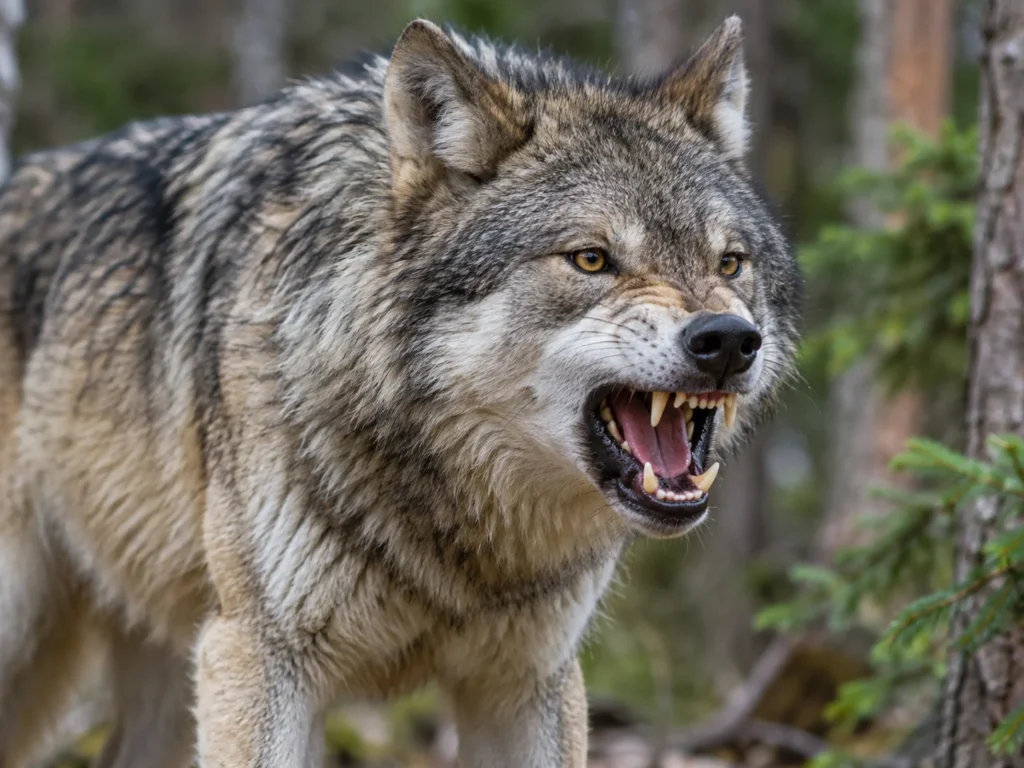
Growling is generally a close-range signal, and wolves are a clear example of Animals that growl to communicate in tense situations. Wolves may growl while defending themselves, protecting resources, warning another animal, or establishing a social boundary. The sound is lower and rougher than a whine and typically carries a stronger warning quality. Still, a growl should not automatically be interpreted as proof that an attack is about to happen.
A wolf may use a growl specifically to discourage another animal from approaching further. In that sense, vocal warning can sometimes help prevent physical conflict rather than guarantee it.
To understand a growling wolf accurately, observers would also need to consider its posture, facial expression, ear position, tail position, and the behavior of other animals nearby.
Do Wolves Bark Like Dogs?
Yes, wolves can bark. Wolf barking is usually less prominent than barking in domestic dogs and often appears in warning or alert situations. Although wolves can be highly active and social, they are not typically described simply as Energetic Animals, since their behavior changes according to hunting, resting, traveling, and social conditions. Wolves may produce short barks when something unfamiliar approaches, when pups or pack members may be at risk, or during defensive interactions. They can also combine barking with other calls. A bark-howl, for example, blends two familiar wolf vocal patterns.
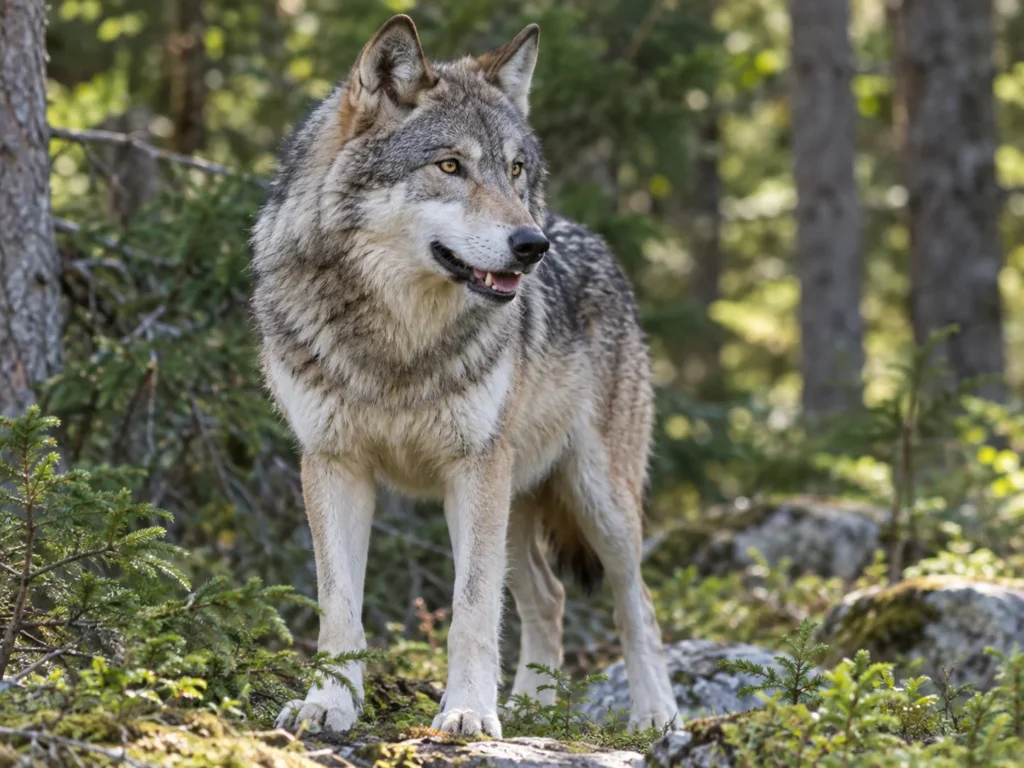
The difference between wolves and dogs is therefore not as simple as “dogs bark, and wolves howl.” Both can bark, howl, growl, and whine. Domestic dogs, however, use barking much more extensively across everyday contexts, while howling remains particularly important in wolf communication.
What Sounds Do Wolf Pups Make?
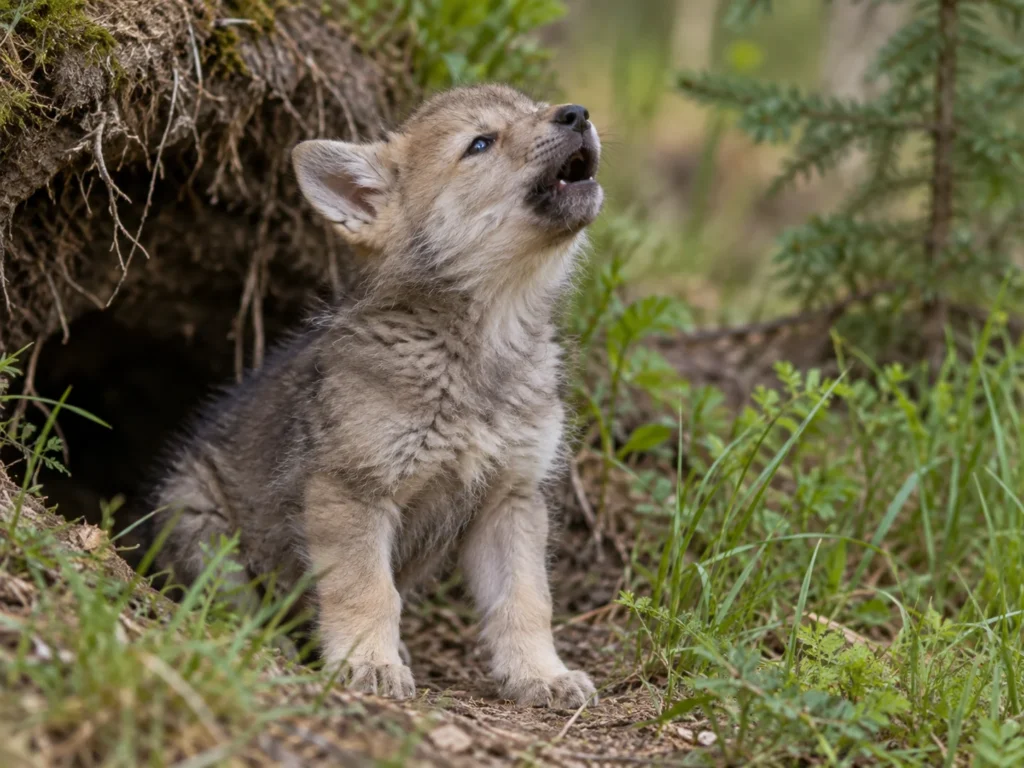
Wolf pups begin life using close-range sounds that help maintain contact with adults and littermates. Whines, whimpers, yelps, squeaks, and early barks can all appear as young wolves develop.
As pups grow, their vocal abilities and social roles become more complex. They eventually develop the longer-distance vocal patterns associated with older wolves, including increasingly recognizable howls.
Pup vocalizations are often higher-pitched and softer than adult calls, which can make them sound especially unusual to human listeners. Even then, it is better to describe them as pup whines, whimpers, or developing calls rather than calling them purring.
Do Wolves Purr When They Are Friendly?
There is no single universal “happy wolf sound,” and friendly behavior does not cause wolves to produce a recognized cat-like purr. During affiliative interactions, wolves may whine, whimper, howl socially, wag their tails, lick another wolf’s muzzle, make facial contact, or adopt a relaxed posture.
Physical interaction often communicates as much as the vocalization itself. A soft whine accompanied by relaxed body language during a greeting means something very different from a similar vocalization made while an animal is distressed or separated from its group.
For this reason, interpreting one sound in isolation can be misleading. The best way to understand wolf behavior is to look at the complete social situation rather than search for one vocalization that always means happiness.
Wolves Communicate Without Making a Sound
Wolf communication extends far beyond vocalizations. A pack member can convey information without howling, barking, or growling at all.
Body Language
Wolves use ear position, tail position, facial expression, body posture, crouching, play bows, muzzle contact, and other movements during social interactions.
These signals can communicate confidence, submission, playfulness, tension, or willingness to interact. A tail wag, for example, may appear during social greetings, but its meaning still depends on the posture and behavior surrounding it.
Scent Communication
Scent is another major communication system. Wolves use urine, scat, and scent investigation to exchange information and mark areas of importance. This silent form of communication is one reason wolves can sometimes resemble Quiet Animals, relying on non-vocal signals instead of making sounds. Scent marking can communicate territorial presence and may provide information about individuals without two wolves needing to encounter each other directly. For a wide-ranging social predator, that is an efficient way to communicate across space and time.
Do Wolves Purr? Wolf Sounds vs Cat Purring
Wolves and domestic cats can both make low, quiet vocalizations, but their communication systems are different. This distinction is important when answering Do Wolves Purr?, because a similar sound does not necessarily mean the same biological behavior.
| Feature | Wolf | Domestic Cat |
| Recognized true purr | No | Yes |
| Famous long-range call | Howl | No direct equivalent |
| Warning vocalizations | Growl, bark | Growl, hiss |
| Softer social sounds | Whines, whimpers, other calls | Purrs, meows, trills |
| Body language | Very important | Very important |
A wolf’s low growl or soft whine can sound vaguely similar to a cat’s purr in certain recordings, but that auditory resemblance does not mean both animals are producing the same type of vocalization.
Key Takeaways
- Do Wolves Purr? No recognized true cat-like purr is considered part of the normal wolf vocal repertoire.
- Some quiet wolf whines, whimpers, or mixed calls can sound purr-like to human listeners.
- Howling is especially important for long-distance and social communication.
- Wolves also bark, growl, whine, whimper, and combine different call types.
- No wolf sound has one fixed emotional meaning in every situation.
- Body language and scent are also major parts of wolf communication.
Frequently Asked Questions
Can Wolves Purr Like Cats?
No. Purring is not recognized as part of the normal wolf vocal repertoire. Wolves may produce quiet whines, whimpers, growls, or mixed social sounds that can seem purr-like, but those sounds are not normally classified as true cat-style purring.
What Sound Do Wolves Make When They Are Happy?
Wolves do not have one universal sound that means happiness. Friendly interactions may include whining, whimpering, social howling, tail wagging, muzzle licking, and relaxed physical contact. The surrounding body language and social context are essential for interpreting the behavior.
Do Wolves Bark?
Yes. Wolves can bark, particularly during warning, alert, or defensive situations. They may also combine barking with other vocalizations, such as in a bark-howl. Barking is generally less prominent in wolves than in domestic dogs.
Why Do Wolves Howl at Night?
Wolves may howl at night because howling is useful for long-distance communication, and nighttime conditions can make their calls especially noticeable. They also howl during the day. Wolves are not specifically howling at the moon, despite the familiar cultural image.
What Does It Mean When a Wolf Growls?
A growl can communicate warning, tension, defense, competition, or a social boundary. It does not automatically mean the wolf is about to attack. Body posture, facial expression, distance, and the surrounding interaction are necessary to interpret the signal more accurately.
Final Thoughts
So, do wolves purr? Not in the recognized cat-like sense. Their communication system is built around howls, whines, whimpers, growls, barks, mixed calls, body language, and scent. A quiet wolf may sometimes sound purr-like to us, but understanding the animal means looking beyond that resemblance and considering the full social context.






2 Comments