15 Weakest Animals and How They Survive in the Wild
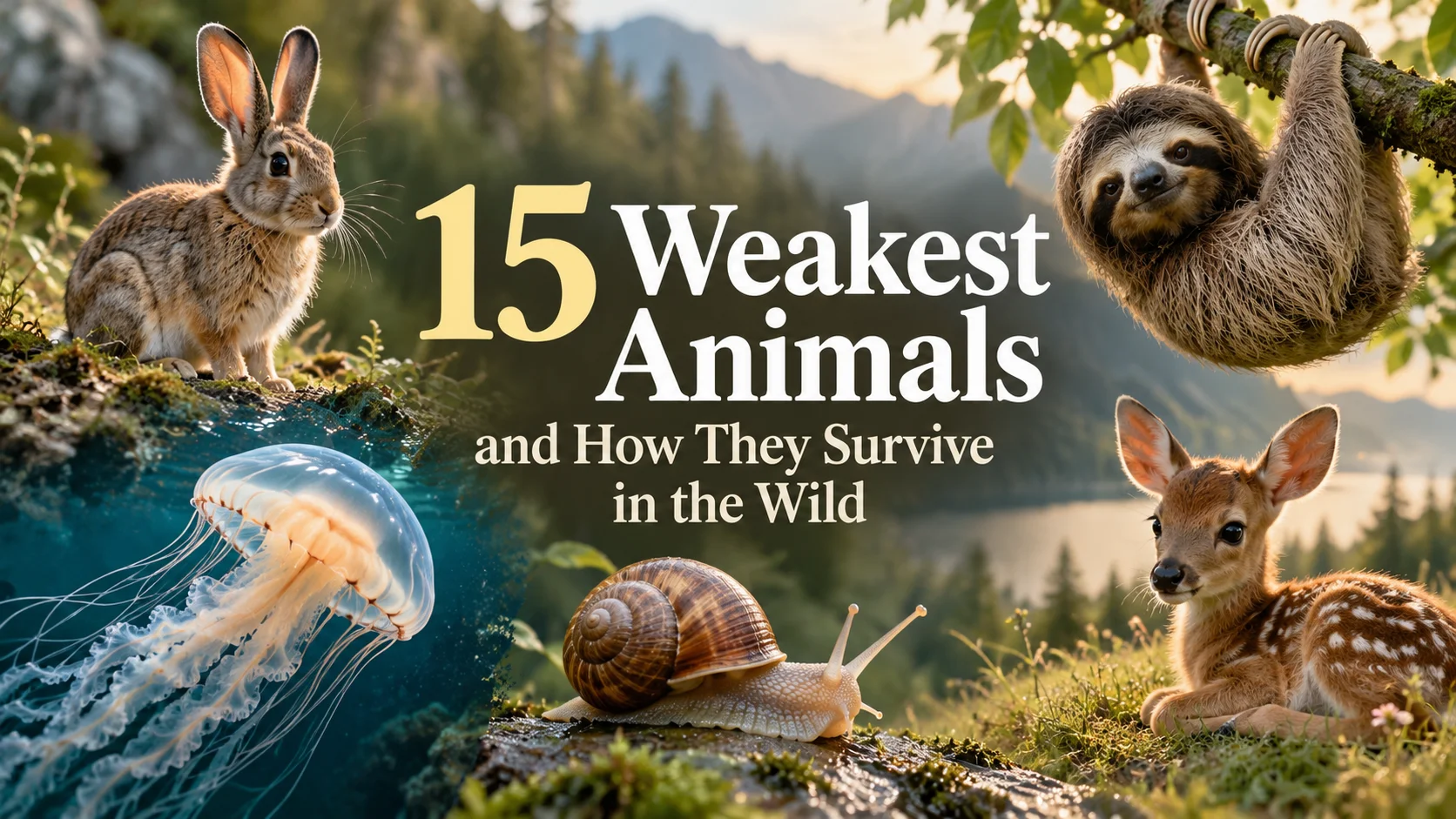
Some animals survive through speed, sharp teeth, powerful muscles, or heavy armor. Others seem surprisingly vulnerable by comparison. The phrase “weakest animals” is not a scientific ranking, because weakness can mean many things, including limited strength, slow movement, fragile bodies, or little ability to fight predators directly. What makes these animals interesting is not just their vulnerability, but the clever adaptations that help them survive without relying on brute force.
There is no scientifically recognized single weakest animal in the world. Animals such as earthworms, snails, sea sponges, jellyfish, and aphids may be physically vulnerable because they have soft bodies, limited mobility, or little offensive power. They survive through burrowing, shells, stinging cells, camouflage, reproduction, regeneration, and other specialized adaptations.
What Makes an Animal Physically Weak?
An animal can be physically vulnerable for several reasons. Some have soft or delicate bodies, while others move too slowly to escape many predators. Certain species have little offensive ability and depend almost entirely on hiding, camouflage, protective structures, chemical defenses, or group behavior. However, being small or slow does not automatically make an animal weak.
Even small monkey breeds may rely more on agility, awareness, and group behavior than raw physical strength. A sloth, for example, moves slowly but has strong limbs and claws. Jellyfish look delicate, yet many possess effective stinging cells. For this reason, the animals below are best viewed as species or groups with limited direct physical power or obvious vulnerabilities rather than as members of a strict weakest-to-strongest ranking.
Quick Comparison of the Weakest Animals
| Animal | Main Physical Vulnerability | Main Survival Strategy |
| Earthworm | Soft exposed body | Burrowing |
| Snail | Slow movement and soft tissue | Protective shell |
| Sloth | Limited ground mobility | Arboreal lifestyle |
| Jellyfish | Delicate gelatinous body | Stinging cells |
| Sea cucumber | Slow, soft-bodied form | Chemical and physical defenses |
| Sea sponge | Immobile adult body | Structural and chemical defenses |
| Aphid | Tiny and fragile | Rapid reproduction |
| Flatworm | Soft body | Concealment and regeneration |
| Butterfly | Delicate body and wings | Flight and camouflage |
| Rabbit | Limited offensive defenses | Speed and vigilance |
| Guinea pig | Limited natural weaponry | Hiding and alertness |
| Sea squirt | Immobile adult stage | Protective outer tunic |
| Sea star | Slow movement | Regeneration |
| Small frogs | Small vulnerable bodies | Jumping and camouflage |
| Zooplankton | Tiny delicate organisms | Numbers and movement patterns |
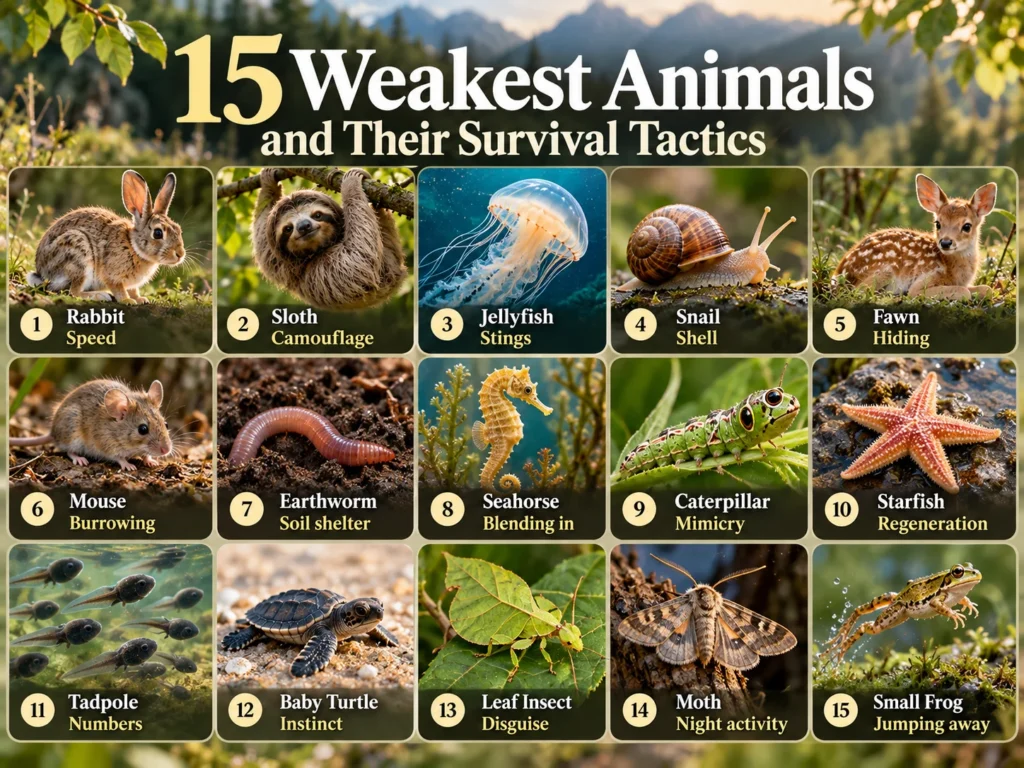
15 Weakest Animals and How They Survive
1. Earthworm
Earthworms have soft, and Weakest Animals elongated bodies with no claws, teeth, or protective shell. On the surface, they are vulnerable to birds, amphibians, small mammals, and many invertebrate predators. They also depend on moist conditions because drying out can quickly become dangerous. Their main protection is staying underground. Burrowing keeps them hidden from many predators and provides a more stable environment. Their importance in soil ecosystems also shows why physical weakness has little to do with ecological value.
2. Snail
A snail’s soft body and slow movement make escape difficult when danger appears. Compared with fast-moving prey animals, it has very little ability to flee quickly or fight an attacker directly. Its shell is the major advantage. Many land snails can withdraw their vulnerable body into the shell when threatened, reducing exposure to predators and harsh conditions. This protective structure turns an otherwise delicate animal into a surprisingly well-defended one.
3. Sloth
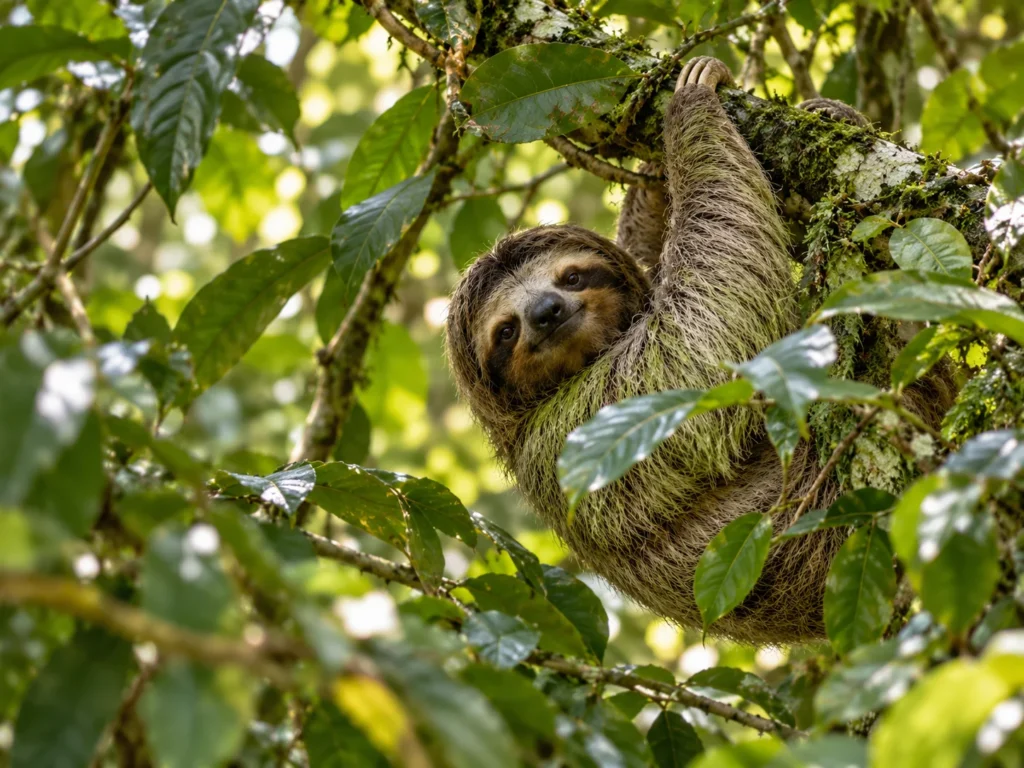
Sloths are often described as weak because they move slowly, especially on the ground. That description can be misleading. Their slow lifestyle is mainly an energy-saving adaptation, and their limbs are well suited to hanging and climbing in trees. Their real vulnerability comes from limited mobility in situations where rapid escape is needed. Remaining high in the canopy, moving quietly, and blending with their surroundings help reduce danger. Sloths survive through specialization rather than speed.
4. Jellyfish
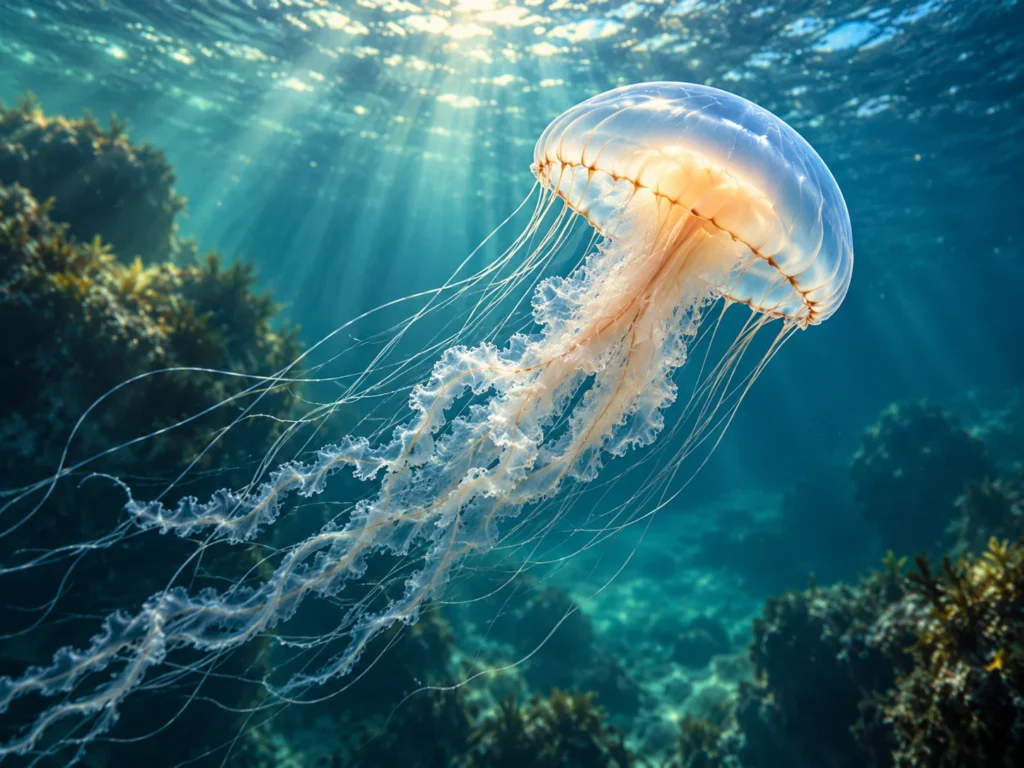
Jellyfish have soft, gelatinous bodies that can be damaged easily compared with the bodies of armored or muscular animals. They also lack limbs for running, gripping, or fighting in the conventional sense. Yet many jellyfish are far from defenseless. Their tentacles contain specialized stinging cells that can capture prey and deter predators. Their survival is a good reminder that an animal may be physically delicate while still possessing an effective biological defense.
5. Sea Cucumber
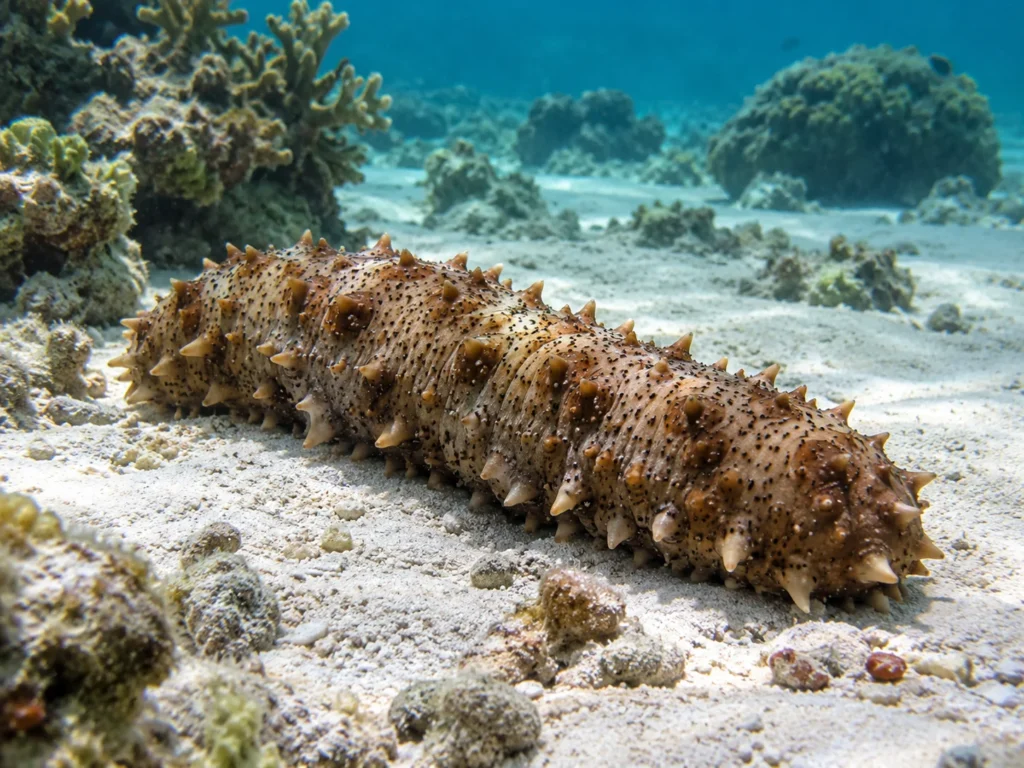
Sea cucumbers move slowly across the seafloor and have soft, flexible bodies. They lack the obvious weapons seen in many predators and cannot quickly flee from danger. Instead, they rely on unusual defenses. Some species can release sticky material or chemicals that discourage predators, while others can eject internal tissues and later regenerate them. Their strange defensive systems make them much harder to exploit than their appearance suggests.
6. Sea Sponge
Adult sea sponges are fixed in place, which means they cannot swim or crawl away when a predator approaches. They also lack muscles, limbs, and conventional fighting structures. Their defense comes from other sources. Many sponges have tough skeletal elements or chemical compounds that make them unpleasant or difficult for predators to eat. They show that immobility does not necessarily mean helplessness when other protective traits are available.
7. Aphid
Aphids are tiny, soft-bodied insects that can be eaten by lady beetles, lacewing larvae, parasitic wasps, and many other predators. Individually, they have little physical power and can be overwhelmed easily. Their strength lies in reproduction and numbers. Aphid populations can increase rapidly under favorable conditions, helping them persist even when many individuals are lost. Some aphids also gain protection from ants, which may defend them in exchange for sugary honeydew.
8. Flatworm
Many flatworms have soft, thin bodies with few obvious protective structures. Weakest Animals and their small size,delicate form can make them vulnerable to environmental changes and predators. They often depend on concealment, living beneath rocks, in sediment, or in other protected microhabitats. Some flatworms, especially planarians, are also well known for their ability to regenerate lost body parts. That regenerative capacity can compensate for physical fragility in remarkable ways.
9. Butterfly
Butterflies are lightweight animals with delicate wings that can be damaged by weather, vegetation, or predators. Their bodies are not designed for direct physical combat, and many species are prey for birds, spiders, reptiles, and other insects. Their defenses are largely indirect. Flight helps them escape, while camouflage can make them difficult to notice. Some butterflies also use mimicry or warning colors to discourage predators, showing that appearance can be as important as strength.
10. Rabbit
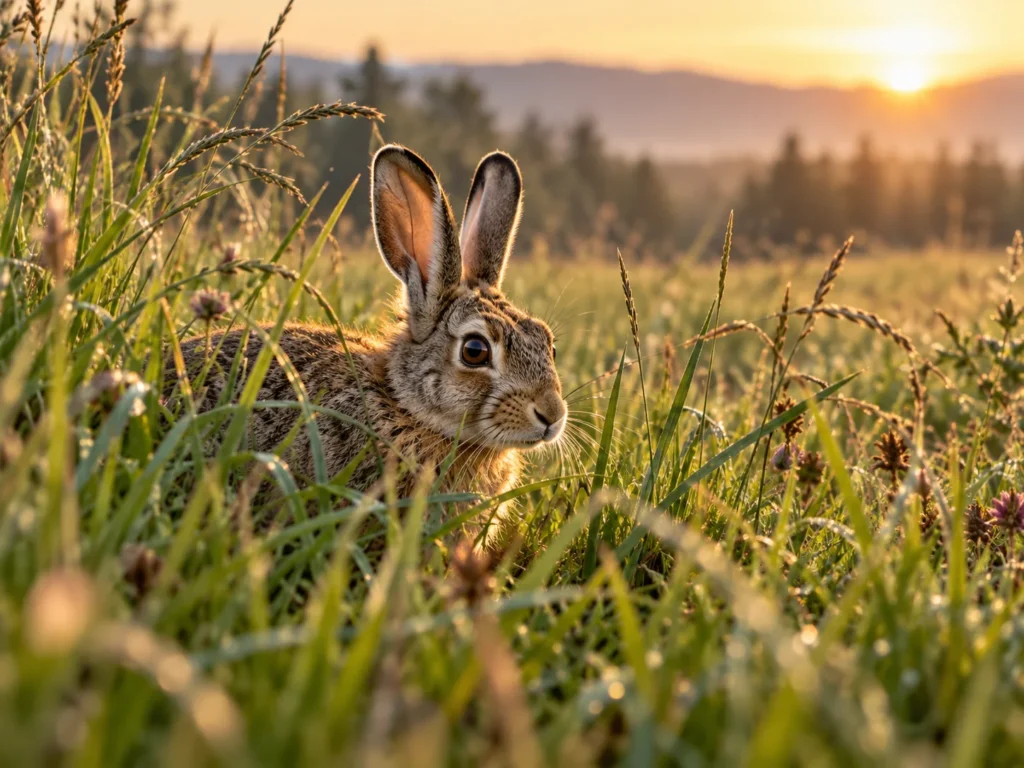
Rabbits are prey animals and generally depend more on escaping danger than confronting it. Unlike many Animals with Sharp Claws, rabbits lack the powerful claws, jaws, and heavy protective structures used for direct defense or hunting. However, rabbits are not powerless. Their strong hind legs help them accelerate quickly, and their large ears and alert behavior improve their chances of detecting danger early. Burrows or dense cover can provide additional protection. Their survival strategy is built around awareness and rapid escape.
11. Guinea Pig
Domestic guinea pigs have limited offensive defenses and are not built to fight large predators. They are Weakest Animals with small bodies, relatively short legs, and lack of sharp weapons make confrontation a poor survival strategy.
Wild relatives and domestic guinea pigs rely more on vigilance, hiding, and social awareness. Staying close to shelter and reacting quickly to threats can reduce risk. Their behavior reflects the typical strategy of small prey animals: avoid conflict whenever possible.
12. Sea Squirt
Sea squirts are unusual marine animals that attach themselves to rocks, docks, reefs, and other surfaces as adults. Once settled, most cannot simply swim away from approaching danger. Their body is covered by a firm outer layer known as a tunic, which provides some protection. Certain species also contain chemical compounds that may discourage predators. Their adult immobility makes them vulnerable, but their protective body covering helps compensate for that limitation.
13. Sea Star
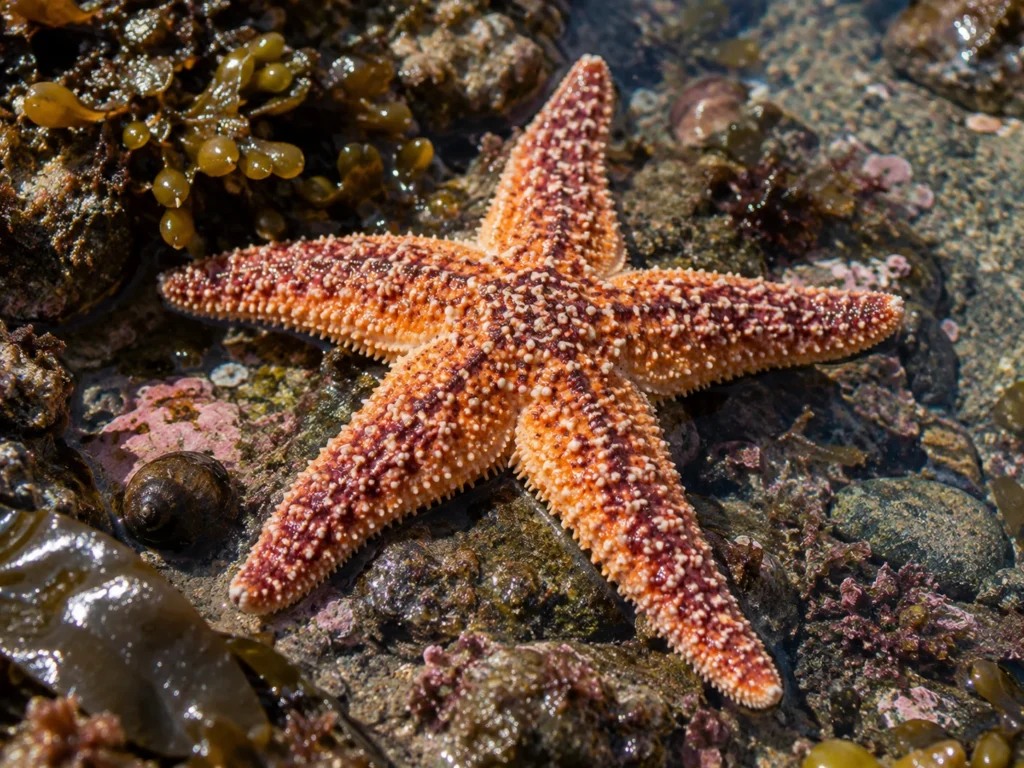
Sea stars move slowly using hundreds of tiny tube feet, so rapid escape is not one of their main defenses. Their arms can also be damaged by predators or environmental hazards. Many sea stars can regenerate damaged arms, although the extent of regeneration differs among species. They are also not harmless animals; many are active predators of mollusks and other marine organisms. Their inclusion here reflects slow mobility, not an absence of ecological power.
14. Small Frog Species
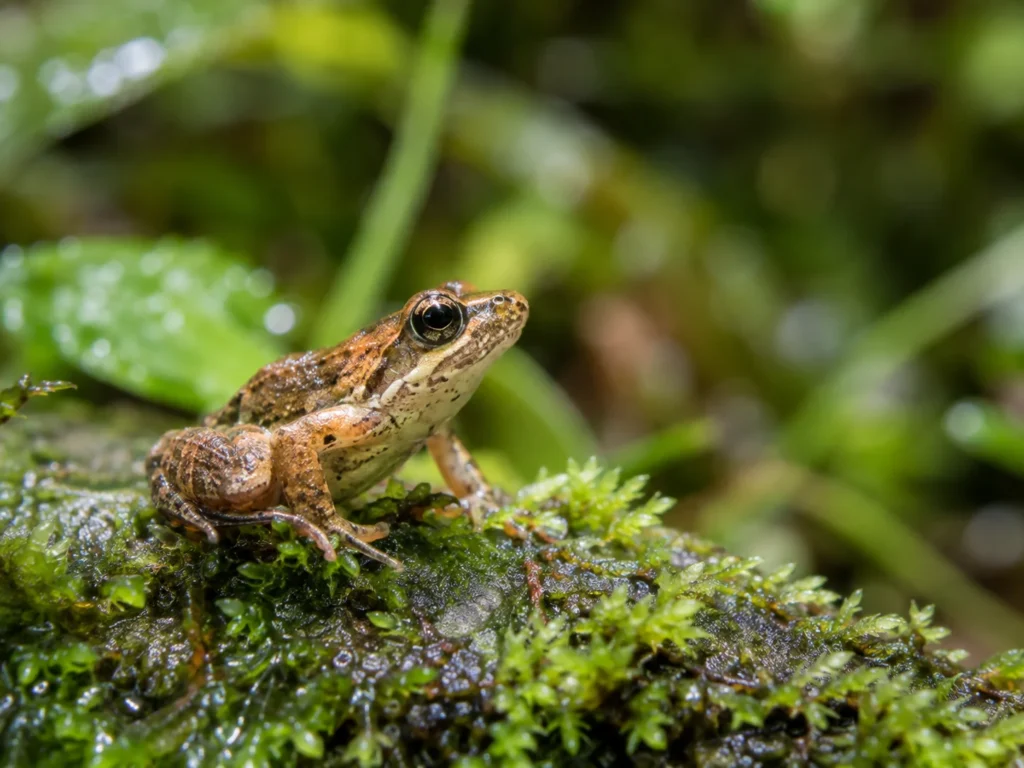
Many Weakest Animals like small frogs have soft bodies and face a wide range of predators, including snakes, birds, fish, mammals, and larger amphibians. Their small size gives them little advantage in direct physical fights. Instead, frogs often depend on jumping, hiding, camouflage, or activity patterns that reduce detection. Some species also produce defensive skin chemicals, and a few are highly toxic. Because frogs vary greatly, physical vulnerability should never be generalized across the entire group.
15. Zooplankton
Zooplankton include many tiny drifting animals and animal-like organisms living in aquatic environments. Most have little raw physical power compared with fish and other larger predators that feed on them. Their survival depends on strategies such as transparency, rapid life cycles, large population sizes, and movement through different depths of the water. Some migrate vertically each day, feeding near the surface at safer times and moving deeper when predators are more active.
How Do Weak Animals Survive in the Wild?
Physically vulnerable animals survive because natural selection does not reward brute strength alone. A Weakest Animals species only needs traits that allow enough individuals to survive and reproduce successfully in its environment. Some avoid predators through camouflage, burrowing, hiding, or living in hard-to-reach places. Others use shells, stinging cells, chemicals, or tough body coverings. Fast reproduction can help populations recover from heavy predation, while regeneration allows certain animals to survive injuries that would be disastrous for other species. The result is that an animal can appear weak in a direct contest but remain extremely successful as a species. Survival is about adaptation, not simply muscle.
Is There Really a Weakest Animal in the World?
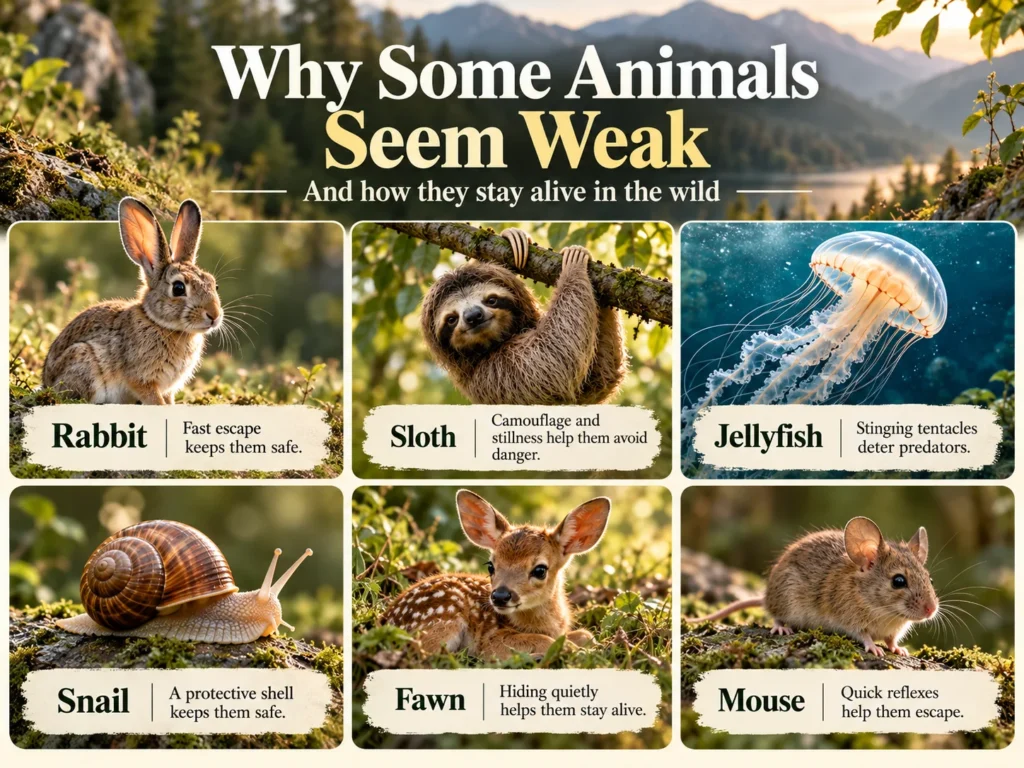
There is no universally accepted scientific answer to this question. Animal strength can be measured in many ways, including muscular force, bite strength, durability, speed, mobility, defensive ability, or capacity to injure an attacker. An earthworm might seem extremely weak in a physical confrontation, while a sponge appears vulnerable because it cannot move. Yet both possess adaptations that have allowed their groups to survive for enormous spans of evolutionary time. It is therefore more accurate to talk about different forms of physical vulnerability than to name one absolute weakest animal.
Frequently Asked Questions
What is the weakest animal in the world?
There is no scientifically recognized weakest animal. Earthworms, sponges, zooplankton, and other soft-bodied or low-mobility organisms may appear especially vulnerable, but the answer changes depending on whether weakness means low muscular strength, poor mobility, limited defenses, or another trait.
What is the weakest mammal?
There is no official weakest mammal ranking. Some small prey mammals have limited ability to fight large predators, but they often compensate with speed, hiding behavior, social awareness, or specialized habitats. Calling one mammal the weakest would require a specific measurement rather than a general impression.
Are sloths actually weak?
Not simply because they are slow. Sloths are highly specialized for an arboreal lifestyle and have strong limbs and claws suited to hanging from branches. Their major limitation is reduced mobility when they need to move quickly, particularly on the ground.
How do weak animals defend themselves?
Weakest Animals use many alternatives to direct fighting. Common strategies include camouflage, burrowing, chemical defenses, toxins, stinging cells, rapid escape, group behavior, reproduction, and regeneration. Animals with shells add another effective form of protection, using hard outer coverings to reduce injury from predators and environmental threats. Different species combine these methods in ways that suit their habitats.
Can a physically weak animal still survive successfully?
Yes. Physical strength is only one survival trait. Animals can thrive by avoiding predators, reproducing efficiently, occupying protected habitats, using camouflage, or developing specialized defensive structures. Evolution favors traits that work, not necessarily the strongest body.
Final Thoughts
The weakest animals are not necessarily the least successful. Many physically vulnerable species survive because they rely on camouflage, protective structures, unusual defenses, reproduction, or highly specialized lifestyles. Their success shows that nature rewards effective adaptation far more than brute strength alone.