
15 Anxious Animals and Why They Get Nervous
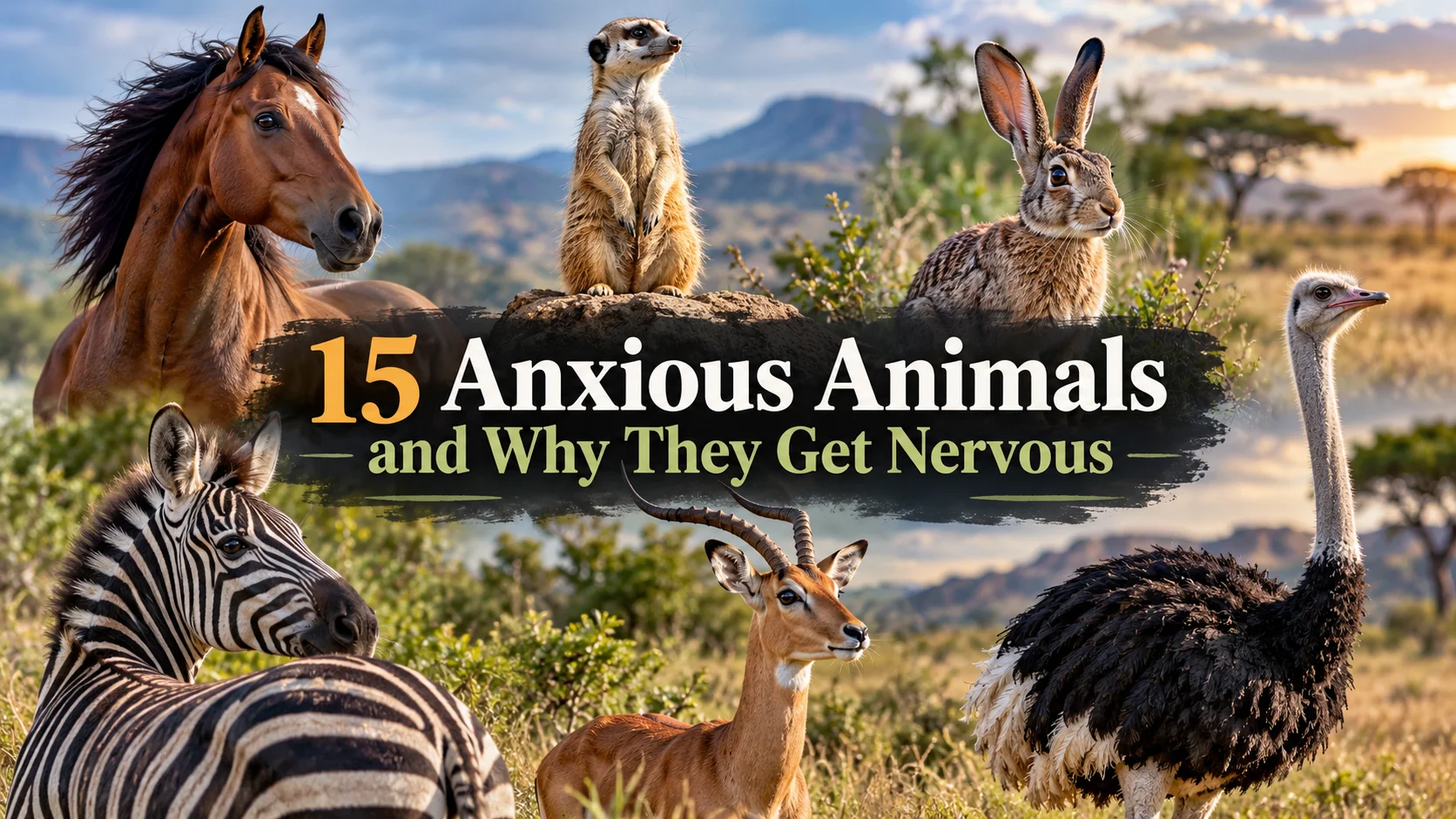
Some animals seem constantly alert, cautious, or ready to run. That does not necessarily mean they experience anxiety in the same way humans do. Many so-called anxious animals are prey species that survive by noticing danger quickly and reacting before a predator gets too close. Their behavior may involve freezing, hiding, scanning, alarm calls, or rapid escape. These responses often look nervous to us, but in nature they can be highly effective survival strategies.
Anxious animals often include rabbits, guinea pigs, horses, deer, sheep, meerkats, prairie dogs, zebras, gazelles, impalas, mice, rats, squirrels, chinchillas, and ostriches. Many show vigilance, freezing, hiding, alarm behavior, or rapid flight when danger seems possible. These responses can help them detect predators and survive threatening situations.
What Does “Anxious” Mean in Animals?
Calling an animal anxious can be useful in everyday language, but animal behavior is more complicated than that. Fear usually refers to a response to an immediate threat, while stress is a broader reaction to difficult or challenging conditions. Vigilance means actively watching the surroundings for danger.
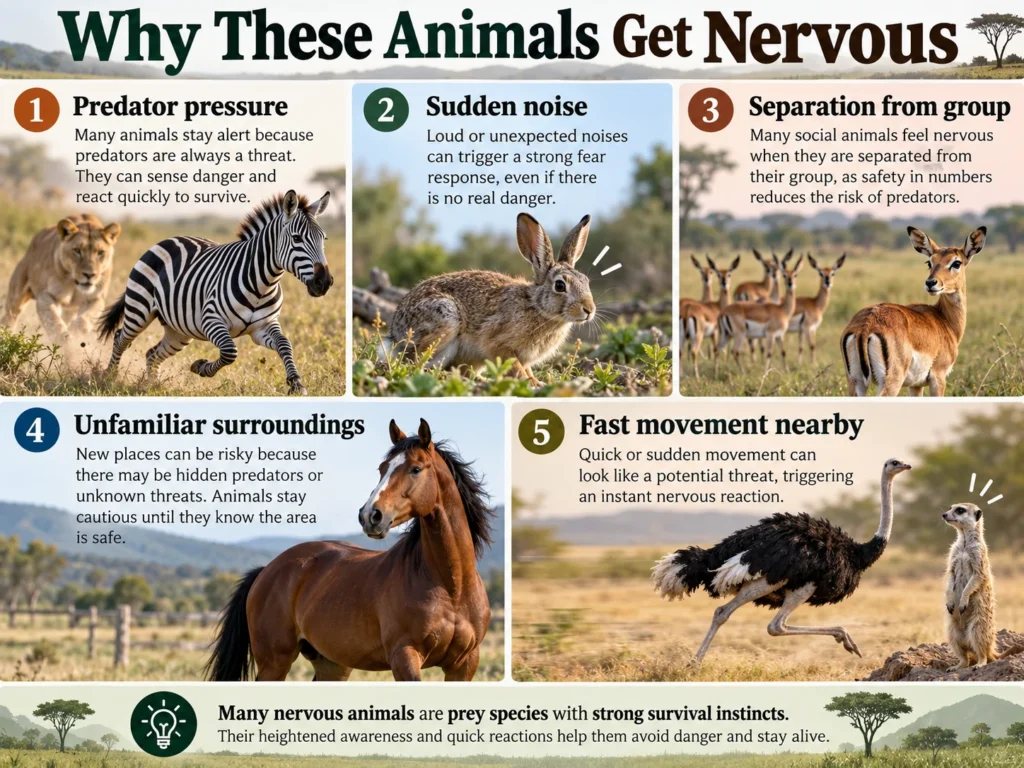
Researchers may also use the term anxiety-like behavior when animals show avoidance, cautious exploration, freezing, or other responses when a threat is uncertain rather than directly present. These ideas overlap, but they are not identical. Some species that appear nervous may also overlap with Animals That Sleep a Lot, although sleep duration and anxiety-like behavior are separate biological traits. For this reason, the animals below are not being diagnosed with anxiety disorders. They are examples of species that often show nervous-looking, highly vigilant, or stress-related behaviors that can be important for survival.
Quick Comparison of Anxious Animals
| Animal | Common Trigger | Typical Response |
| Rabbit | Sudden movement or predator cues | Freeze, hide, flee |
| Guinea pig | Unfamiliar sounds or threats | Hide, freeze, vocalize |
| Horse | Sudden movement or unfamiliar objects | Startle and move away |
| Deer | Predator cues | Scan, freeze, flee |
| Sheep | Isolation or disturbance | Regroup and stay alert |
| Meerkat | Predator presence | Sentinel scanning and alarms |
| Prairie dog | Ground or aerial predators | Alarm calls and retreat |
| Zebra | Nearby predators | Group vigilance and flight |
| Gazelle | Predator movement | Rapid escape |
| Impala | Threats in open habitat | Alert posture and flight |
| Mouse | Open areas or predator cues | Avoid and hide |
| Rat | Unfamiliar environments | Cautious exploration |
| Squirrel | Predator cues | Freeze, signal, flee |
| Chinchilla | Sudden disturbance | Hide or escape |
| Ostrich | Open-landscape threats | Vigilance and running |
15 Anxious Animals and Their Survival Behaviors
1. Rabbit
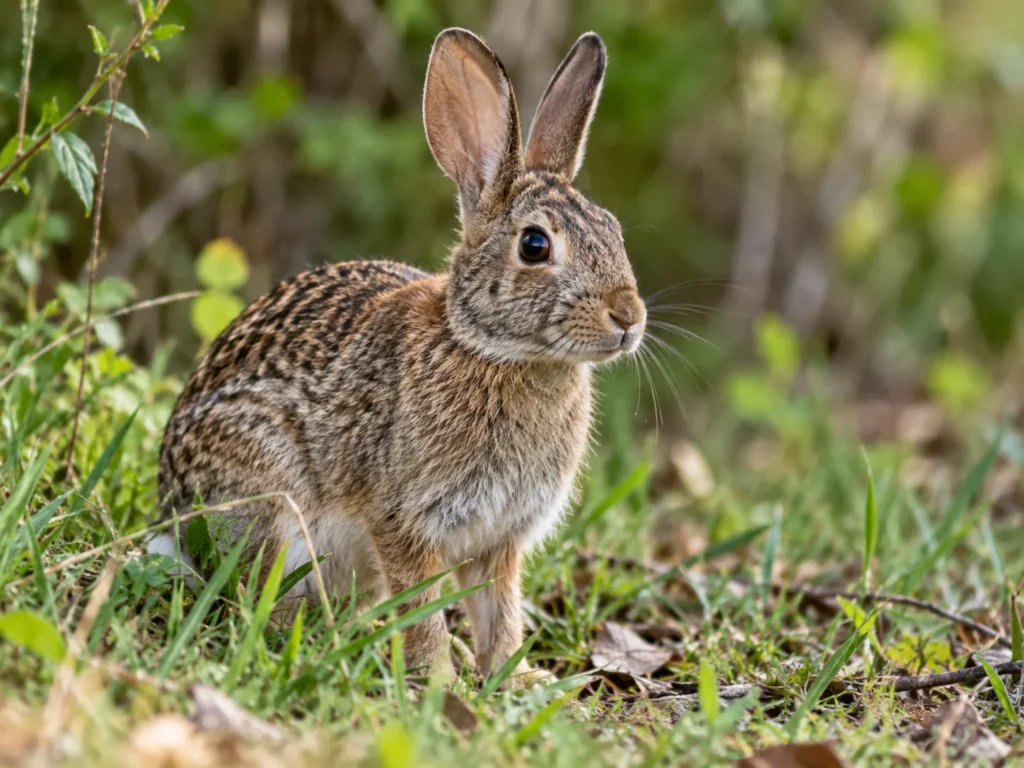
Rabbits are among the anxious animals people recognize most easily because they are highly vigilant prey animals that face danger from foxes, birds of prey, snakes, and many other predators. Their cautious nature also makes them a natural example of Shy Animals, especially when sudden movement, unfamiliar sounds, or unusual scents trigger a defensive response. A rabbit may freeze, flatten its body, hide, or run for cover. Freezing can reduce the chance of being noticed, while rapid escape helps create distance from danger. What appears to be nervousness is often a carefully tuned predator-avoidance response.
2. Guinea Pig
Guinea pigs are often included among anxious animals because they are naturally cautious and have a strong tendency to seek shelter when something seems unfamiliar. Sudden noises, quick movements, or changes in their surroundings can cause them to freeze, hide, or vocalize. Their behavior reflects the challenges faced by small prey animals. Hiding quickly and remaining close to cover can reduce exposure to predators. Social awareness is also important, because individuals may respond to the movements and sounds of other members of the group.
3. Horse
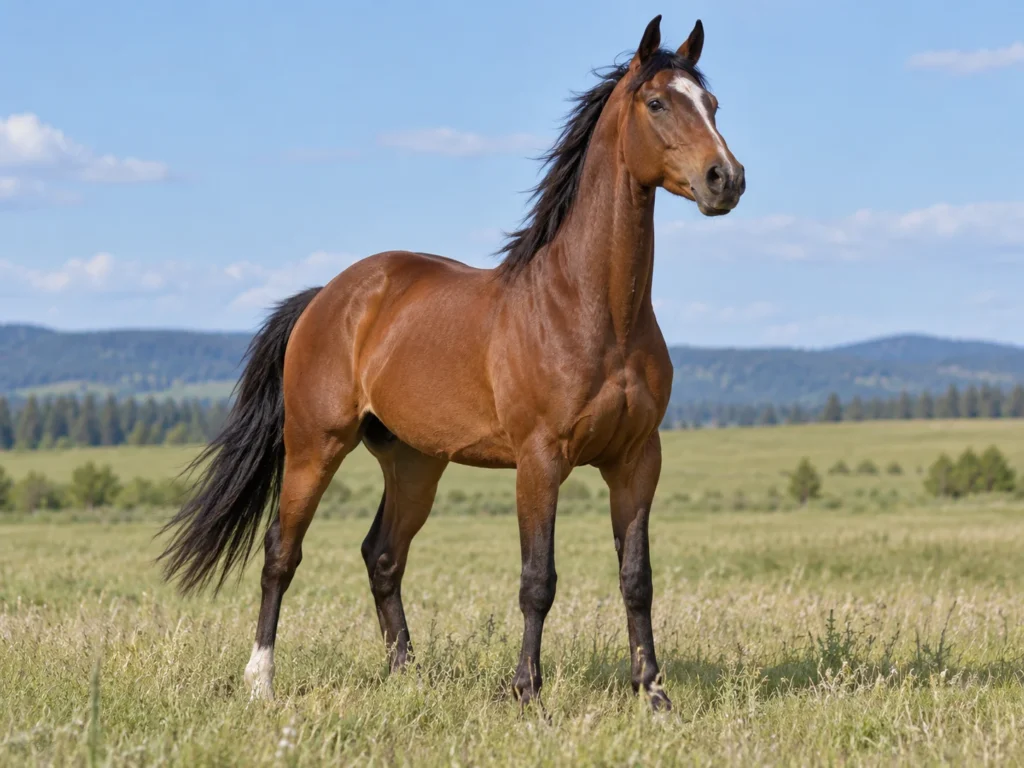
Horses are large and powerful, yet they are still prey animals and can appear among anxious animals because of their strong startle response. Their cautious reactions are sometimes mistaken for behavior seen in Stubborn Animals, but hesitation or refusal can simply reflect uncertainty, fear, or an attempt to avoid perceived danger. Unexpected movement, unfamiliar objects, sudden sounds, or a possible threat can cause a horse to stop, turn, move away, or flee. From an evolutionary perspective, responding quickly can be more useful for a prey animal than waiting to confirm whether every unfamiliar stimulus is genuinely dangerous.
4. Deer
Deer are another example of anxious animals that spend a great deal of time monitoring their surroundings. They frequently lift their heads, rotate their ears, and pause feeding to check for potential predators or unusual activity. When something seems threatening, a deer may freeze first and then run if the danger becomes more obvious. This combination of scanning, stillness, and flight helps deer balance two competing needs: finding enough food while remaining alert enough to avoid predators.
5. Sheep
Sheep are highly social anxious animals that usually feel safer when they remain close to the flock. Separation, sudden disturbances, or possible predator threats can cause individuals to become more alert and move toward other sheep.
Grouping can provide important defensive benefits. Multiple animals can watch the environment at once, and individuals near the center of the group may have less direct exposure to danger. Their nervous-looking reactions are closely connected to herd-based survival behavior.
6. Meerkat
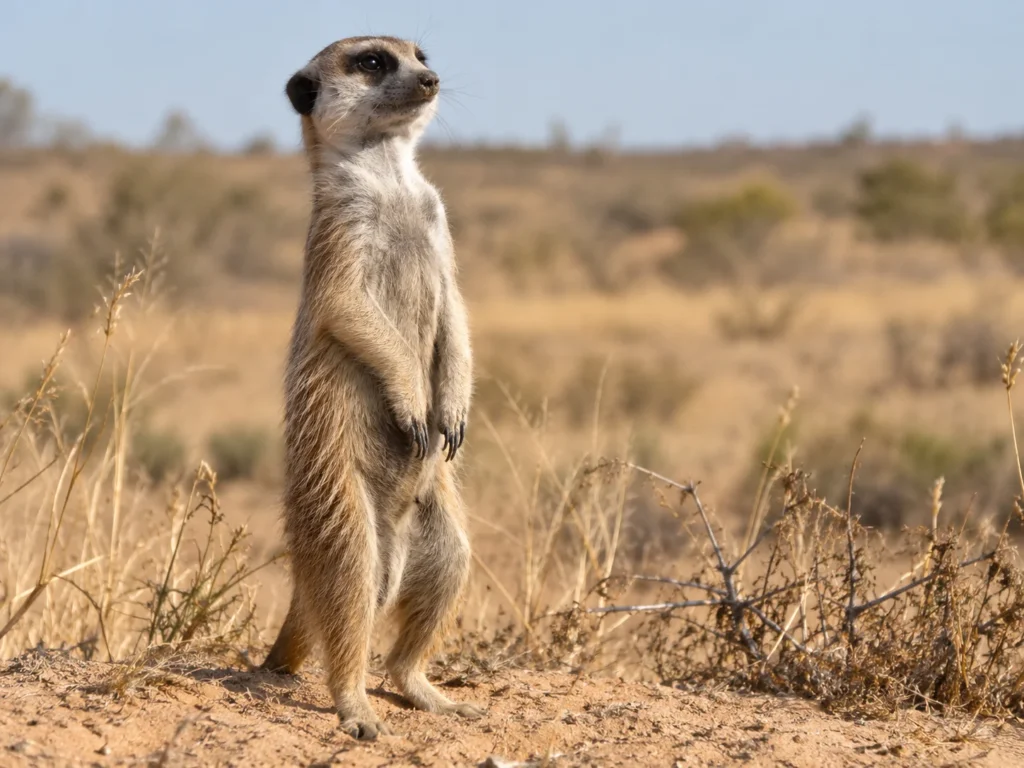
Meerkats are famous for their vigilance and are often included among anxious animals because of their constant predator awareness. Their coordinated behavior also shows why labels such as Animals With the Lowest IQ can be misleading, because meerkats use alarm calls, social cooperation, and organized group surveillance to respond to danger. While members of a group forage, one individual may act as a sentinel, standing upright and scanning for predators such as raptors or carnivores. If danger is detected, alarm calls can warn the rest of the group, allowing them to retreat toward burrows or adjust their behavior depending on the threat.
7. Prairie Dog
Prairie dogs are social anxious animals for which predator detection is extremely important. Hawks, coyotes, badgers, and other predators can approach from both the ground and the air. When a threat appears, prairie dogs may produce alarm calls and rush toward burrow entrances. Their communication system helps nearby individuals respond quickly, turning vigilance into a group defense. Retreating underground gives them a secure refuge that many predators cannot easily reach.
8. Zebra
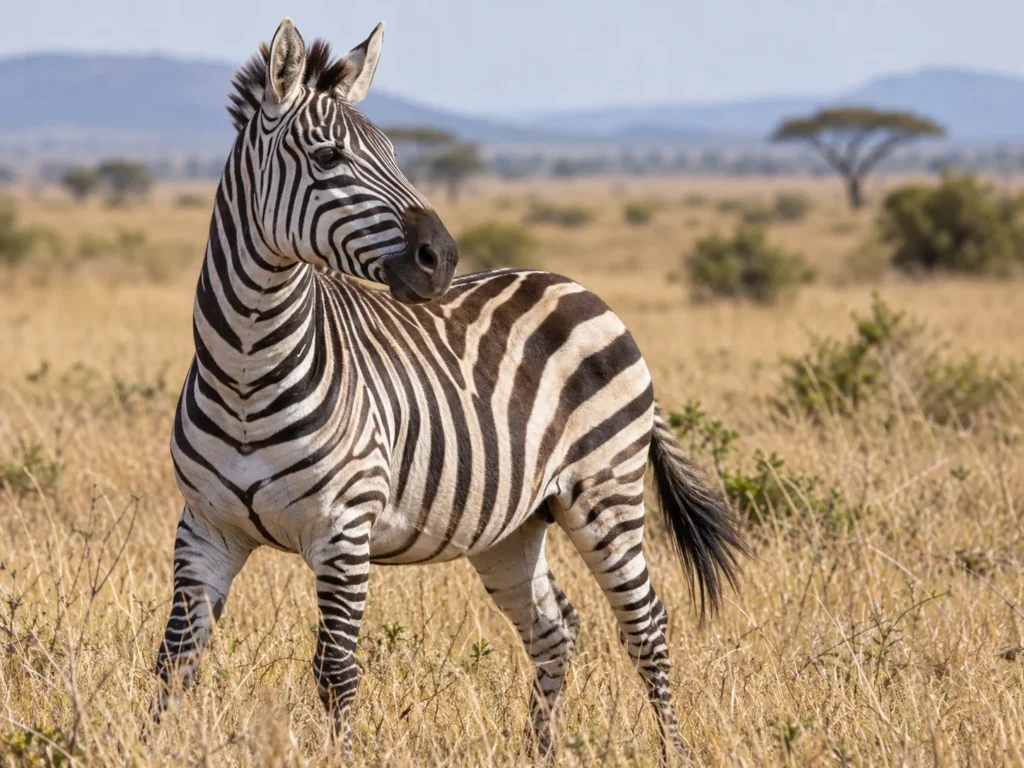
Zebras are anxious animals that live in open habitats where predators can often be seen from a distance, so they must remain alert. Individuals regularly scan the surroundings while other members of the herd feed or rest. When danger approaches, zebras may move together and flee rapidly. Group living increases the number of eyes watching for threats, which can improve early detection. Their quick reactions are therefore an important part of surviving alongside large carnivores.
9. Gazelle
Gazelles are fast-moving anxious animals that often inhabit open grasslands and savannas. They must monitor for predators such as cheetahs, lions, wild dogs, and hyenas while also spending enough time feeding. When a predator is detected, gazelles may become highly alert, reposition themselves, or accelerate away quickly. Their speed and evasive movement are major defenses, but those advantages only work well if the animal notices danger early enough to react.
10. Impala
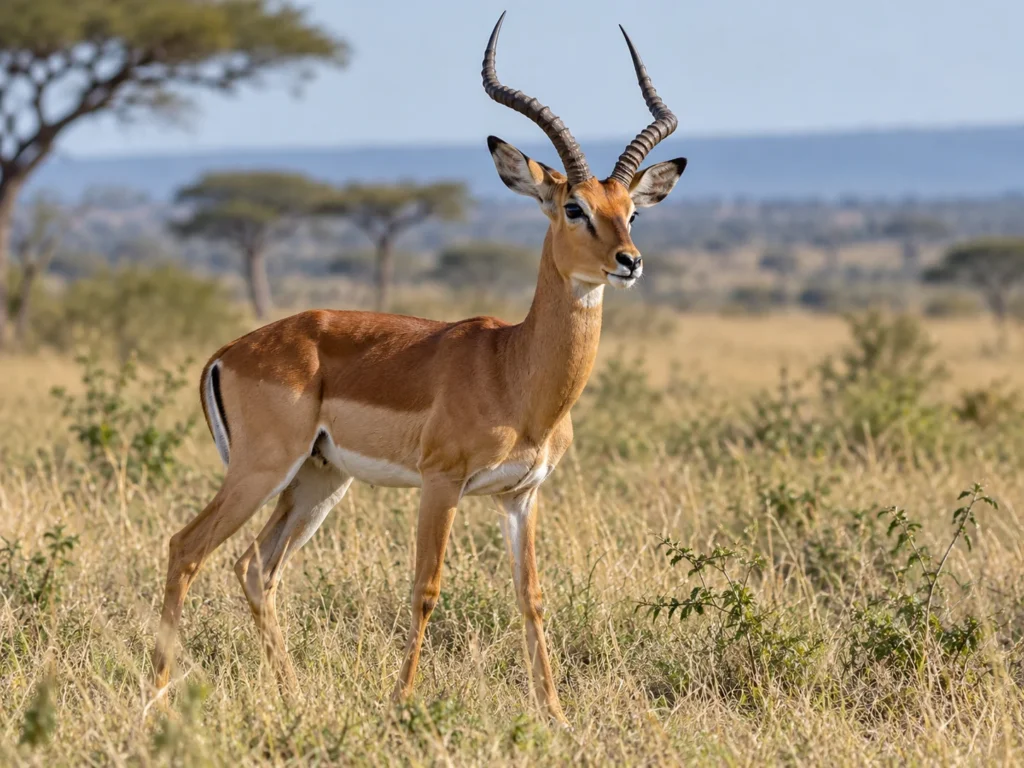
Impalas are anxious animals that face constant predator pressure in many African habitats. They often remain attentive to movement, sounds, and the reactions of other herd members. When alarmed, an impala can flee rapidly and make powerful leaps that help it move through or over obstacles. Living in groups also improves the chances that at least one animal will detect a predator early. Their nervous-looking alertness is closely tied to effective escape behavior.
11. Mouse
Mice are often described as anxious animals because they avoid exposed areas where they would be easier for predators to see. They prefer cover, edges, tunnels, or enclosed spaces that make movement safer. In behavioral research, mice may show avoidance, freezing, or reduced exploration in uncertain or threatening situations. These responses are commonly described as anxiety-like behavior, although laboratory observations should not be treated as a perfect description of every wild mouse in every environment.
12. Rat
Rats can also appear among anxious animals because they may be cautious when entering unfamiliar environments, even though they are adaptable and curious. A new object, open space, or possible predator cue may cause hesitation, careful investigation, or temporary avoidance.
This balance between caution and exploration is important. Being too reckless can increase danger, while avoiding every unfamiliar situation could limit access to food and shelter. Rat behavior therefore provides a useful example of how animals weigh potential risk against opportunity.
13. Squirrel
Squirrels are often highly alert while feeding on the ground or moving between trees. Although their sudden dashes and quick changes of direction can sometimes make them look like Clumsy Animals, these movements are usually precise escape responses rather than poor coordination. Sudden motion, unusual sounds, or the appearance of a predator can cause them to stop, freeze, vocalize, or race toward cover. Many species use trees as important escape routes, while tail movements and alarm calls can also communicate danger. Their rapid shift from feeding to vigilance shows how quickly prey animals must respond when conditions change.
14. Chinchilla
Wild chinchillas evolved in rocky environments where cliffs, crevices, and sheltered spaces protect them from predators. Sudden disturbances can trigger rapid movement toward cover rather than confrontation. Their strong hind legs allow quick jumps, while their preference for sheltered areas reduces exposure. This combination of avoidance and escape behavior can make chinchillas appear especially nervous, but caution is useful for a relatively small prey animal living in exposed terrain.
15. Ostrich
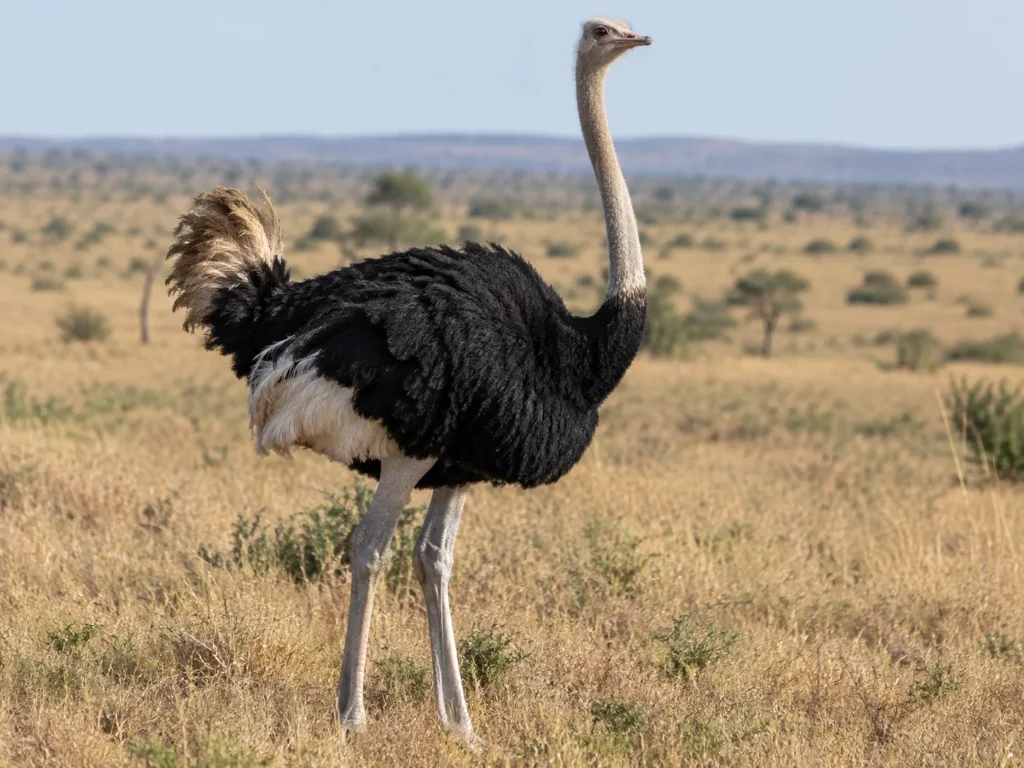
Ostriches live in open environments where long-distance vision is extremely useful. They can detect approaching threats and often rely on speed to create distance from danger. Running is not their only defense, however. Ostriches are large, powerful birds capable of using strong legs when escape is not possible. Their vigilance should therefore not be confused with helplessness. Like many prey species, they combine early threat detection with several different defensive options.
Why Do Prey Animals Often Seem More Anxious?
Prey animals constantly face a trade-off between watching for danger and doing everything else they need to survive. Time spent scanning for predators cannot be spent eating, resting, grooming, or caring for young. Too little vigilance can be dangerous because a predator may approach unnoticed. Too much vigilance, however, can reduce feeding efficiency and waste energy. Many species therefore adjust how alert they are depending on habitat, group size, predator presence, and surrounding conditions.
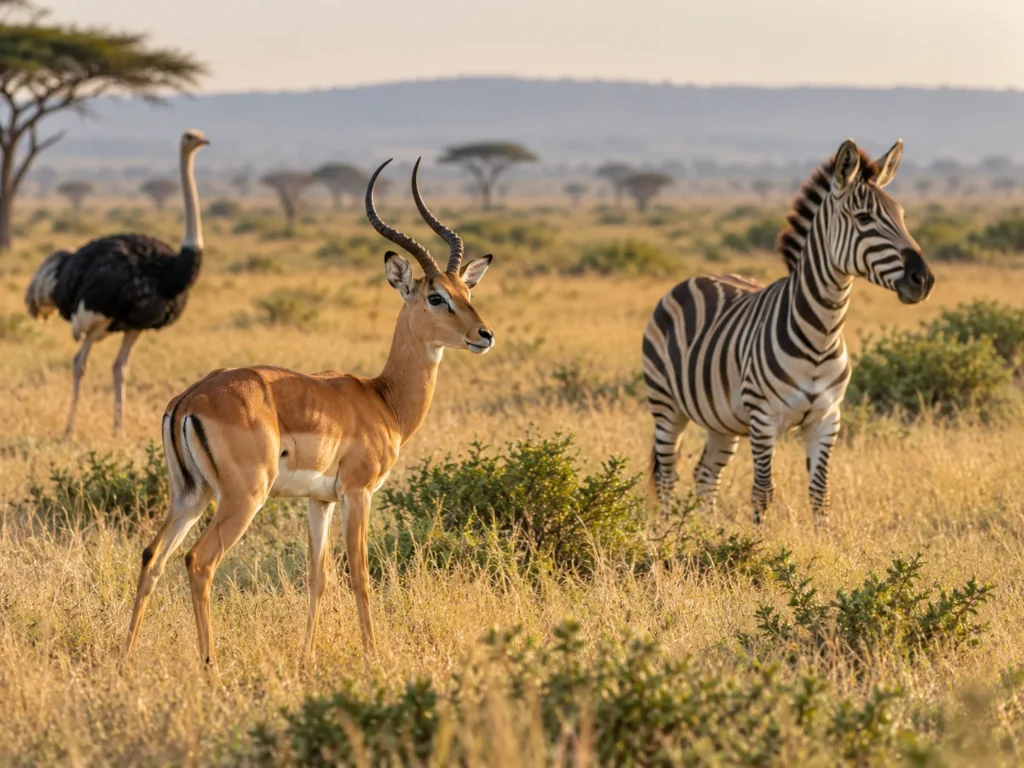
Group living can also reduce the burden on individual animals. Zebras, sheep, gazelles, meerkats, and prairie dogs benefit when several individuals are monitoring the environment. One animal may detect a threat that others missed. What looks like excessive nervousness can therefore be an adaptive compromise between avoiding danger and continuing normal daily activities.
How Do Animals Respond to Stress and Danger?
Animals use different responses depending on the type of threat, the distance to safety, and the environment around them. Freezing can help an animal avoid detection or buy time to assess a possible threat. Rabbits, deer, rodents, and other prey animals may become motionless when something unusual appears. Other species, including some Animals That Growl, may use vocal warnings to signal discomfort or discourage a threat before physical conflict occurs. Fleeing is useful when danger is clear and an escape route is available.
Horses, zebras, gazelles, impalas, and ostriches can rely heavily on rapid movement. Hiding works well for animals with access to burrows, vegetation, rocks, or trees. Prairie dogs, chinchillas, mice, rabbits, and squirrels frequently benefit from nearby shelter. Some social animals also warn the group through alarm calls or coordinated behavior. Meerkats and prairie dogs provide especially clear examples of communication being used as part of predator defense.
Are Fear and Anxiety the Same in Animals?
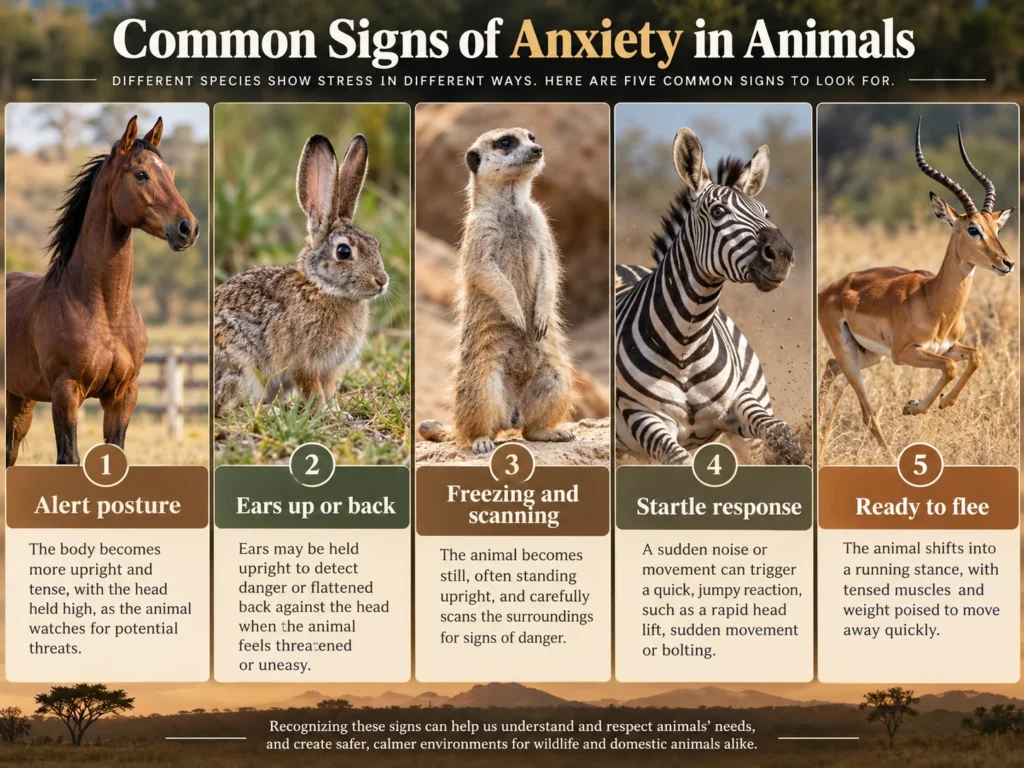
Fear and anxiety-like behavior are related, but they are not the same. Fear usually occurs when an animal detects a clear and immediate threat, such as a nearby predator. Anxiety-like behavior is more often associated with uncertain or potential danger. An animal may become cautious, avoid an exposed area, or reduce exploration even when no immediate predator is visible. Stress is broader still and can result from many environmental or social challenges. That is why careful animal-behavior discussions focus on observable responses rather than simply labeling an entire species as anxious.
Frequently Asked Questions
What animal is the most anxious?
There is no scientifically established most anxious animal. Different species show fear, vigilance, stress, and anxiety-like behavior in different ways, making a universal ranking unreliable.
Why are rabbits so nervous?
Rabbits are prey animals that benefit from detecting threats early. Sudden sounds or movements can trigger freezing, hiding, or rapid escape because these behaviors can reduce the chance of being caught by predators.
Are prey animals more anxious than predators?
Prey species often show especially strong vigilance because they must monitor for predators, but predators can also experience stress, fear, or uncertainty. The difference lies more in behavioral pressures than in a simple anxious-versus-calm divide.
Can animals experience anxiety?
Many animals show behaviors that researchers describe as anxiety-like, including avoidance, freezing, cautious exploration, and heightened vigilance. Scientists generally use these terms carefully because animal emotions cannot always be measured in the same way as human experiences.
What behaviors show that an animal is stressed or afraid?
Possible signs include freezing, hiding, fleeing, increased vigilance, alarm calling, avoiding exposed areas, grouping with others, or reducing exploration. The meaning of each behavior depends on the species and situation.
Final Thoughts
Anxious animals are often better understood as highly vigilant animals responding to risk. Freezing, hiding, scanning, alarm calls, and rapid escape may look nervous, but these behaviors can give prey species valuable time to detect danger and survive.




One Comment