
Annoying Animals: 15 Species and Why They Bother Us
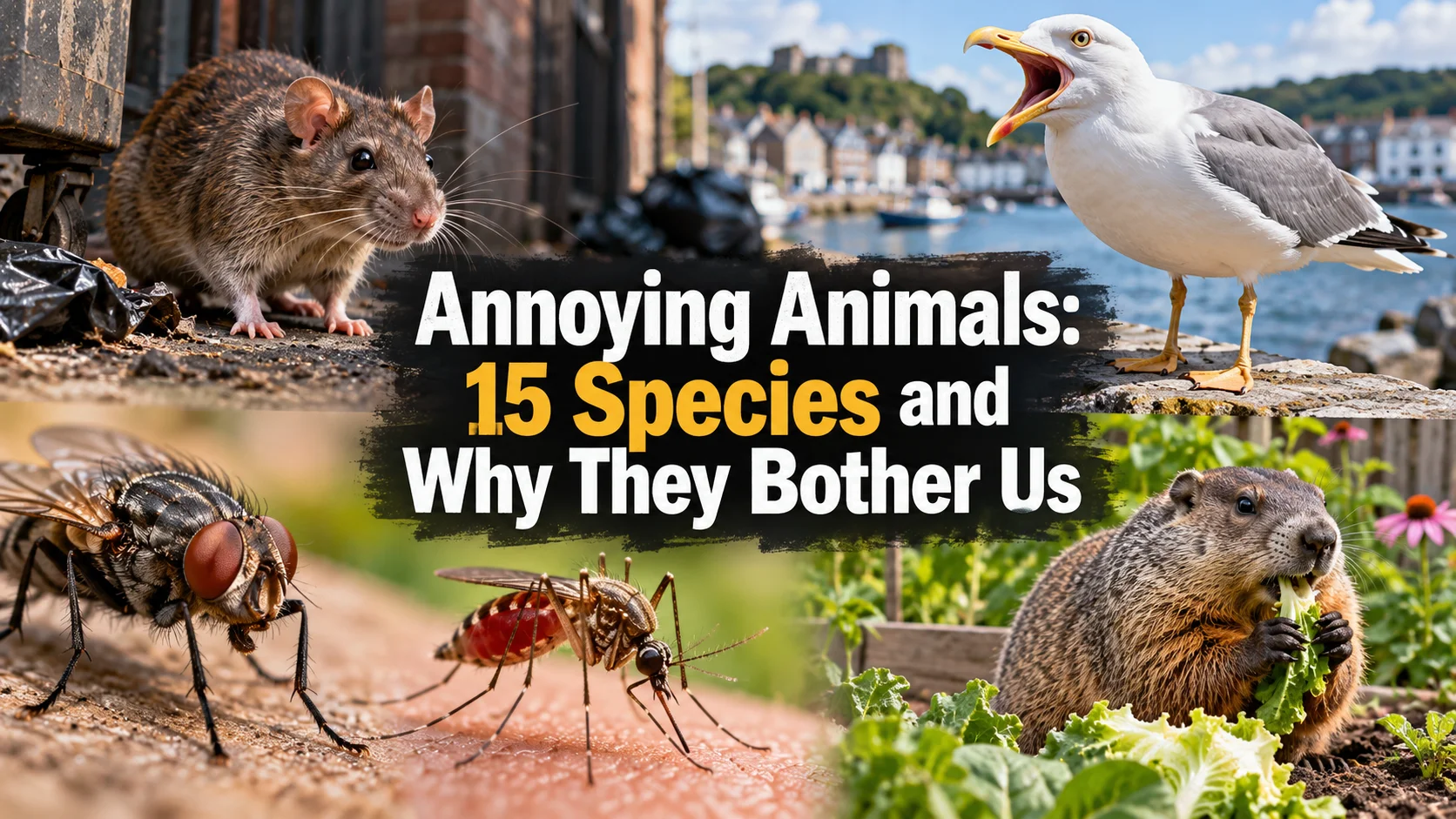
Some animals become difficult neighbors when their natural behavior overlaps with human spaces. They may buzz around our heads, steal food, raid bins, dig through gardens, make loud calls, or move into buildings. That does not mean these animals are deliberately trying to cause trouble. Most annoying animals are simply finding food, shelter, mates, or protection in environments that people have unintentionally made attractive to them.
Animals commonly considered annoying include mosquitoes, flies, pigeons, gulls, raccoons, squirrels, rats, mice, crows, skunks, cicadas, macaques, groundhogs, foxes, and gnats. Their troublesome behaviors usually come from normal feeding, breeding, communication, nesting, or defense rather than any intention to irritate people.
What Makes an Animal Annoying to Humans?
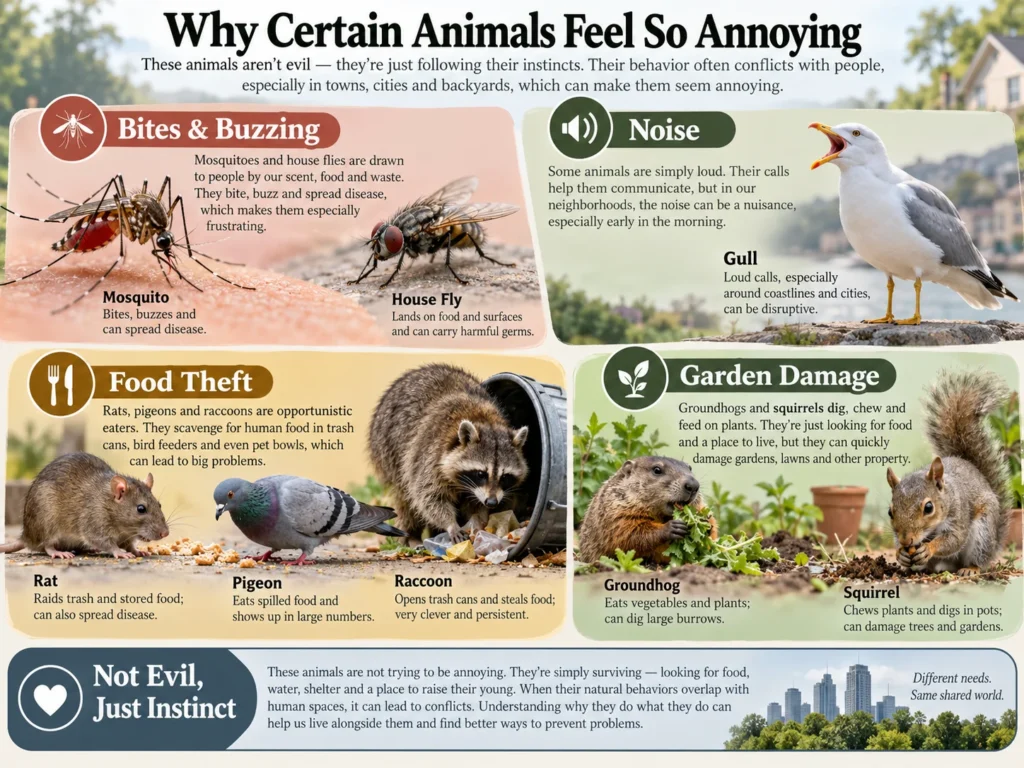
There is no scientific category called an “annoying animal.” Annoyance is a human reaction to behavior that becomes inconvenient, repetitive, messy, noisy, or uncomfortable. The same caution applies to labels such as Animals With the Lowest IQ, because human judgments do not always reflect how well a species is adapted to its environment. A mosquito may bother us because it bites and buzzes nearby, while a raccoon becomes frustrating when it repeatedly opens rubbish bins. A gull may seem troublesome after stealing food from an outdoor table. In each case, the animal is responding to an opportunity rather than deliberately targeting people. Human environments can make these encounters more common by providing food waste, buildings, gardens, artificial water sources, nesting sites, and warmth.
15 Annoying Animals and Why They Bother People
1. Mosquitoes
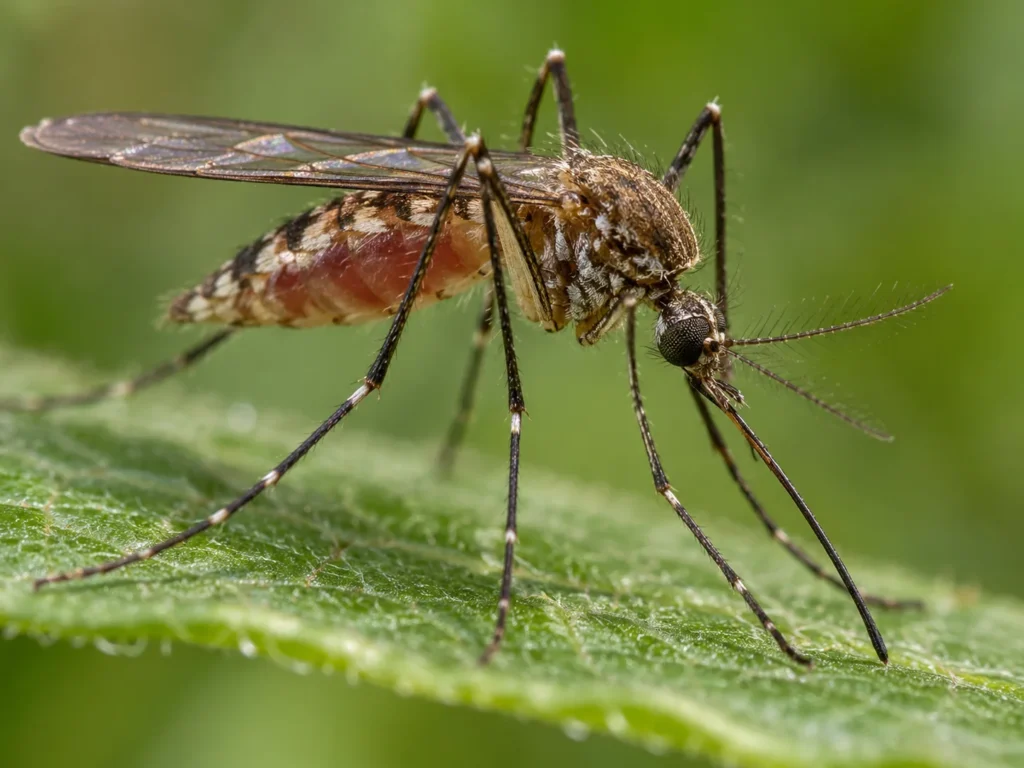
Mosquitoes are among the animals people most often describe as annoying because of their high-pitched buzzing and persistent biting. Female mosquitoes of many species require a blood meal to obtain nutrients used in egg production, which brings them into direct contact with humans and other animals.
Their small size also makes them difficult to avoid once they enter a room or gather outdoors. Some mosquito species can transmit disease, but irritation from buzzing and itchy bites is separate from that health risk.
2. House Flies
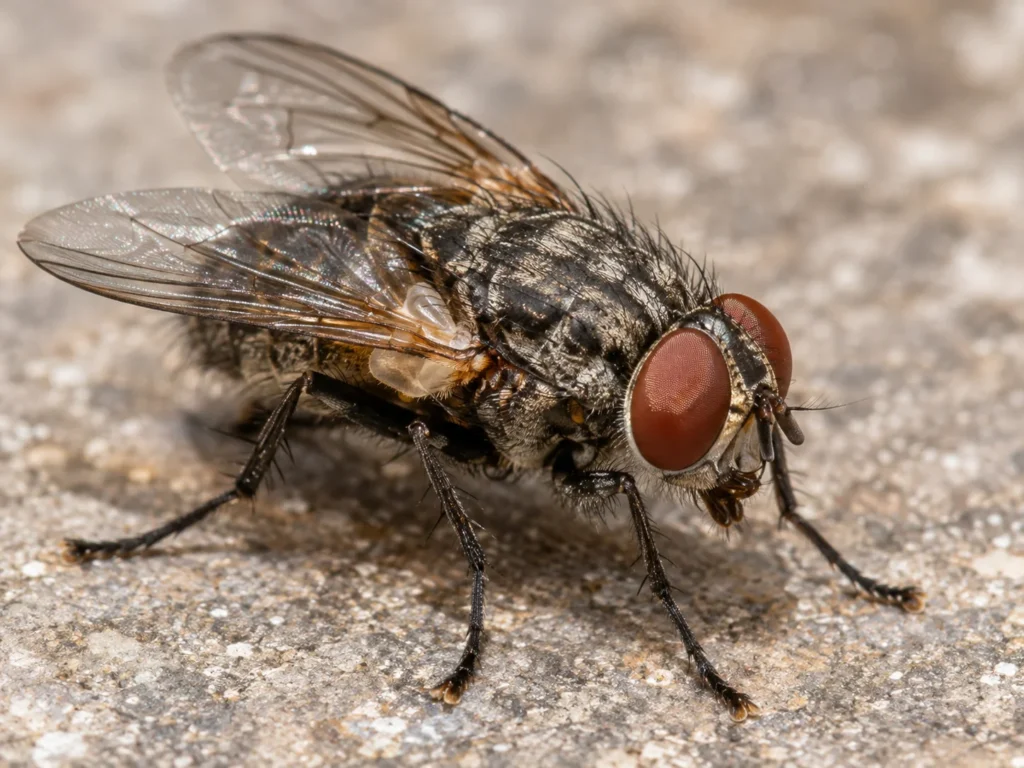
House flies are among the most annoying animals people notice because they land repeatedly on people, food, surfaces, and waste. Unlike Animals That Waddle, whose movement is shaped mainly by body structure and locomotion, house flies draw attention through persistent feeding and landing behavior. They are strongly attracted to places where they can find organic material for feeding or reproduction. Swatting one away does not necessarily stop it from returning to the same food source. Flies are not trying to provoke people; they are simply following smells and other signals associated with food.
3. Gnats
The word “gnat” is used for several types of small flying insects, and some of these annoying animals form clouds that hover around people, plants, damp areas, or decaying organic matter. Their tendency to fly near faces can make them seem unusually irritating. Moisture, carbon dioxide, odors, and suitable breeding material can all contribute to their presence. Different gnat species have different habits, so not every small flying insect behaves the same way.
4. Pigeons
Pigeons are among the annoying animals that thrive in many cities because buildings resemble the rocky ledges their ancestors used for nesting. Urban areas also provide reliable food and relatively protected resting places. Large groups can become frustrating when they gather around outdoor eating areas, rooftops, balconies, and public spaces. Their droppings and nesting material may also create mess around buildings. From the pigeons’ perspective, however, cities simply offer excellent habitat.
5. Gulls
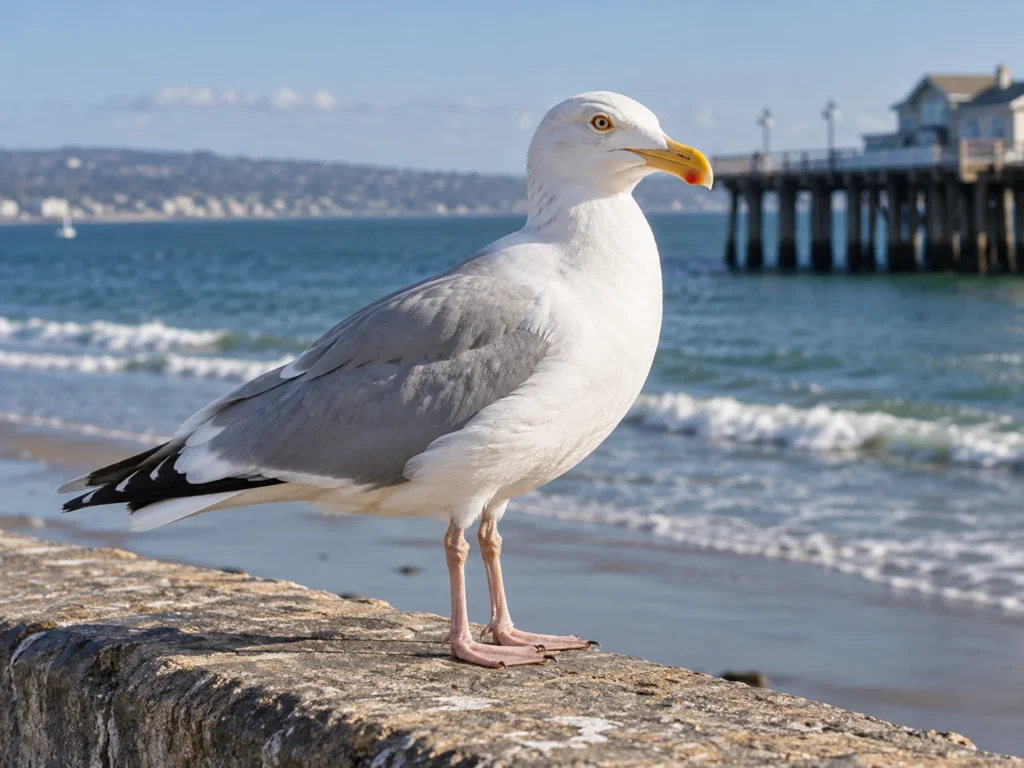
Gulls are often considered annoying animals around beaches, harbors, towns, and outdoor restaurants because some become very bold around people. Some individuals learn that people provide easy access to chips, sandwiches, discarded food, and overflowing bins. This opportunistic behavior can lead to food stealing and close encounters. Gulls are also naturally vocal birds, particularly around nesting colonies. Their calls serve communication and territorial purposes even when people find the noise disruptive.
6. Raccoons
Raccoons are highly adaptable foragers and often become annoying animals around homes because they can use their paws to manipulate containers, investigate small spaces, and search through food waste. In parts of North America, unsecured bins, pet food, compost, and outdoor feeding stations can attract them repeatedly. Questions such as Do Wolves Purr relate to animal communication, while raccoons are more often noticed for their problem-solving and persistent foraging behavior around people. Once a dependable food source is discovered, a raccoon may return because the reward is easier to obtain than natural food. Their persistence usually reflects learning and opportunity rather than aggression toward humans.
7. Squirrels
Squirrels can become annoying animals when they dig in gardens, raid bird feeders, chew objects, or investigate buildings. Their ability to climb, jump, and manipulate food containers makes many supposedly protected feeding stations surprisingly accessible. Much of this behavior comes from normal foraging. Squirrels spend considerable time searching for and storing food, so a feeder filled with seeds represents an unusually concentrated resource that is difficult for them to ignore.
8. Rats
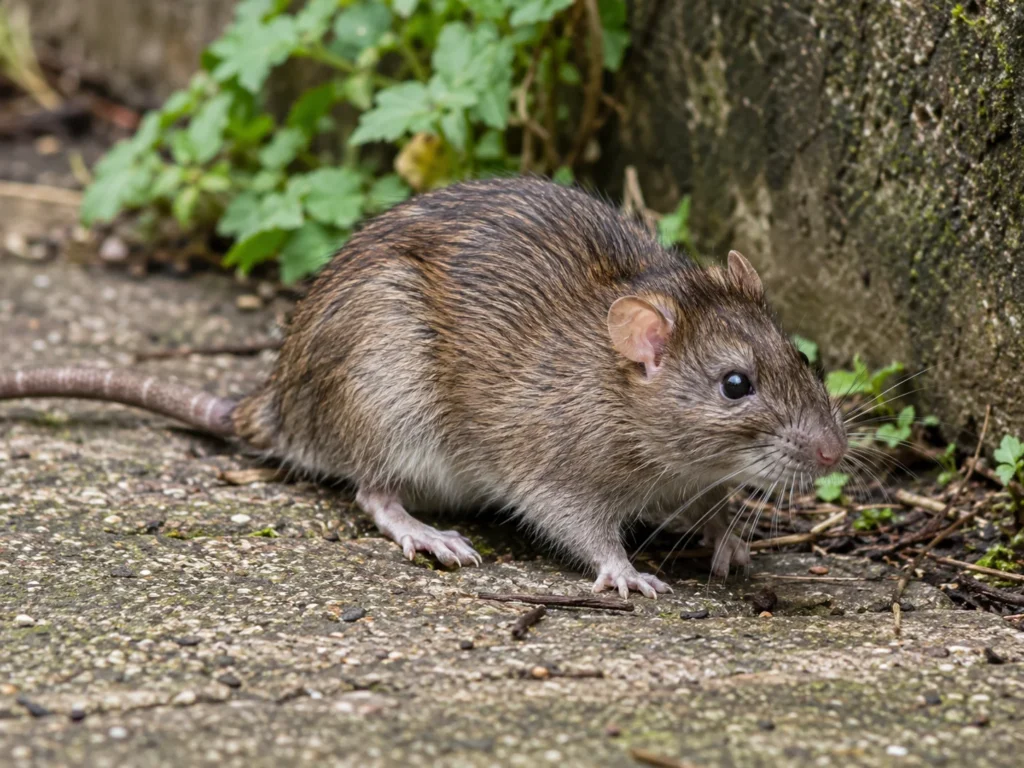
Rats are among the annoying animals that succeed around people because they are adaptable, intelligent, and able to survive on many food sources. Buildings, drains, waste areas, storage spaces, and dense urban environments can provide both food and shelter. Their presence becomes particularly frustrating when they enter homes or food-storage areas. Rats may gnaw materials as part of their normal behavior and can contaminate food or surfaces, which makes them more than a simple inconvenience in some situations.
9. Mice
Mice often become annoying animals indoors because they can enter surprisingly small openings and use buildings for warmth, nesting, and access to food. Once indoors, they may settle behind walls, inside cupboards, storage areas, or other protected spaces. People often notice them because of droppings, damaged packaging, nighttime sounds, or gnawing. Their goal is not to invade a household in the human sense; buildings simply provide many of the resources a small animal needs to survive.
10. Crows
Crows are intelligent, social birds that can become annoying animals when they quickly learn where dependable food sources are located. They may gather around rubbish, agricultural areas, parks, feeding sites, or places where people regularly leave food.
Their loud calls can become noticeable when groups congregate or communicate frequently. Crows also remember productive feeding locations, which explains why they may repeatedly return to the same place even after people try to discourage them.
11. Skunks
Skunks are among the annoying animals people remember most because of their powerful defensive spray. The odor can linger for a long time, making an encounter particularly unpleasant for people and pets. Spraying is not usually the animal’s first choice. A skunk may display warning behaviors before using this defense because producing spray requires resources. Problems often arise when a skunk feels cornered, surprised, or threatened rather than because it actively seeks confrontation.
12. Cicadas
Cicadas can become impossible to ignore when large numbers emerge and begin calling. Male cicadas produce loud sounds to attract females, and groups calling simultaneously can create an impressive volume. For people living near large populations, the constant daytime noise can become tiring. The behavior is temporary and closely connected to reproduction, however. Cicadas are not making noise because of human activity; people simply happen to share the environment during their active period.
13. Macaques
Several macaque species live close to people in parts of Asia and other regions where they have been introduced. Problems can develop when individuals learn that tourists, residents, markets, or bins provide easy food. Macaques may grab food or objects, approach people closely, or repeatedly return to productive locations. Direct feeding can strengthen these habits because the animals learn to associate humans with rewards. What begins as curiosity can therefore develop into persistent conflict.
14. Groundhogs
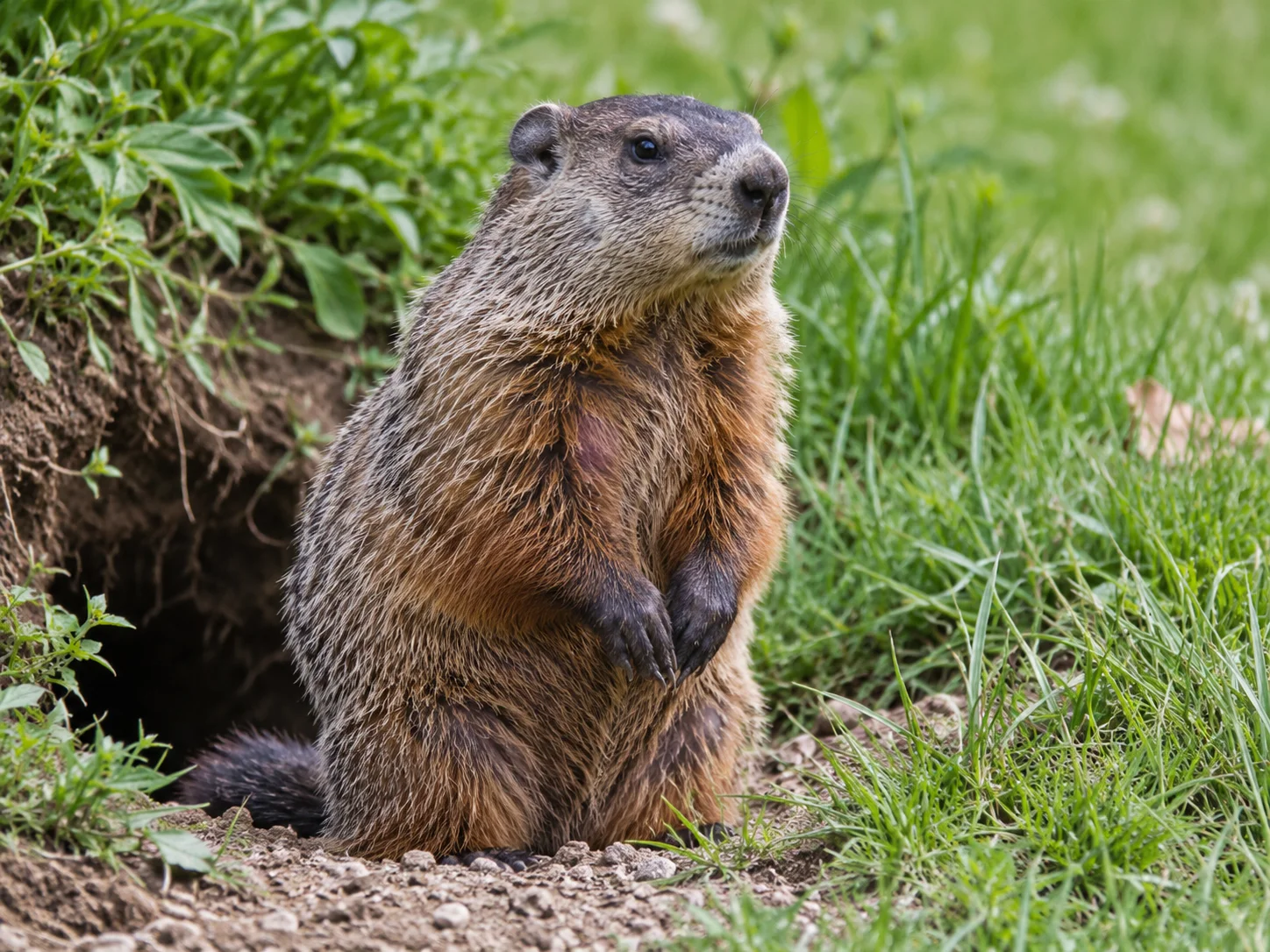
Groundhogs, also called woodchucks, are powerful diggers and herbivores. Gardens, vegetable plots, and landscaped areas can provide appealing food close to their burrow systems. Their feeding can frustrate gardeners, while burrowing may disturb soil around lawns, sheds, fences, or other structures. From the animal’s perspective, these places simply combine suitable digging conditions with abundant vegetation.
15. Foxes
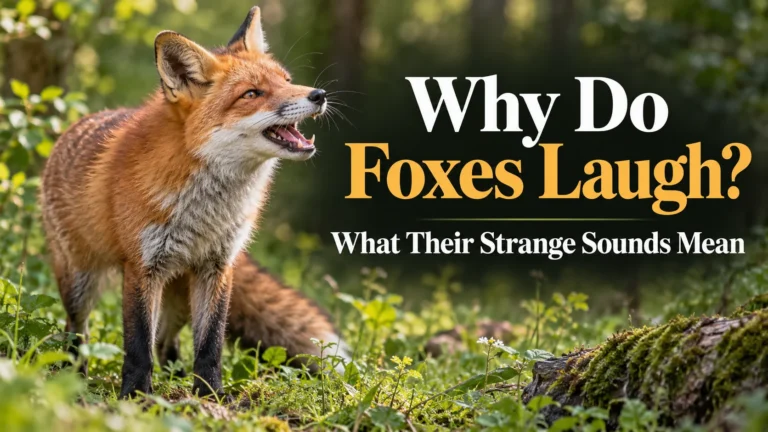
Foxes are adaptable predators and scavengers, and some populations have become comfortable living in towns and suburbs. Although they are not usually grouped with Quiet Animals, foxes can spend long periods moving silently while searching for food or avoiding detection. They may investigate bins, compost, gardens, pet-food bowls, and other areas where food is available. People can also be disturbed by fox vocalizations, particularly during periods of increased social or reproductive activity. These calls may sound unusual or alarming at night, but they are part of normal fox communication rather than signs that the animals are deliberately creating trouble.
Quick Comparison of Annoying Animals
| Animal | Common Annoying Behavior | Main Reason |
| Mosquito | Biting and buzzing | Feeding and reproduction |
| House fly | Repeated landing | Searching for food |
| Pigeon | Gathering and mess | Urban food and nesting sites |
| Gull | Food stealing and loud calls | Opportunistic feeding and communication |
| Raccoon | Raiding bins | Easy food access |
| Squirrel | Feeder raids and digging | Natural foraging |
| Rat | Entering buildings | Food and shelter |
| Skunk | Strong-smelling spray | Defense |
| Cicada | Loud calling | Mate attraction |
| Groundhog | Garden feeding and digging | Food and burrowing |
Annoying vs Destructive vs Dangerous Animals
These descriptions are often used as though they mean the same thing, but they do not.
| Term | Meaning |
| Annoying | Causes irritation or inconvenience |
| Destructive | Damages property, gardens, crops, or structures |
| Dangerous | Creates a meaningful risk of injury or disease |
A cicada, for example, may be extremely noisy without being especially dangerous. A mouse can be annoying when it enters a kitchen but may also create sanitation concerns. A groundhog might cause more property or garden damage than direct physical danger. Keeping these ideas separate prevents normal nuisance behavior from being exaggerated into something more threatening.
Why Do Some Animals Become Nuisances Around Humans?
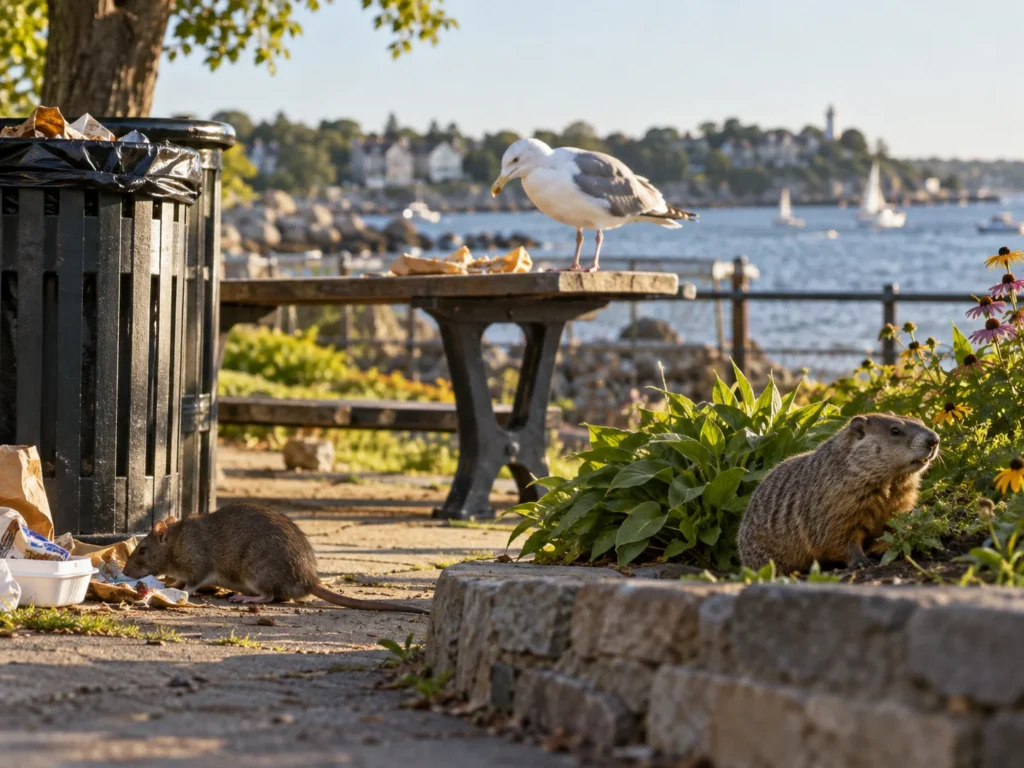
Many annoying animals are drawn to human environments because these places contain concentrated resources that are unusual in the wild. A rubbish bin can hold more calories than an animal might naturally find after hours of searching. Gardens provide predictable plants, while buildings create protected places for sleeping, nesting, or raising young.
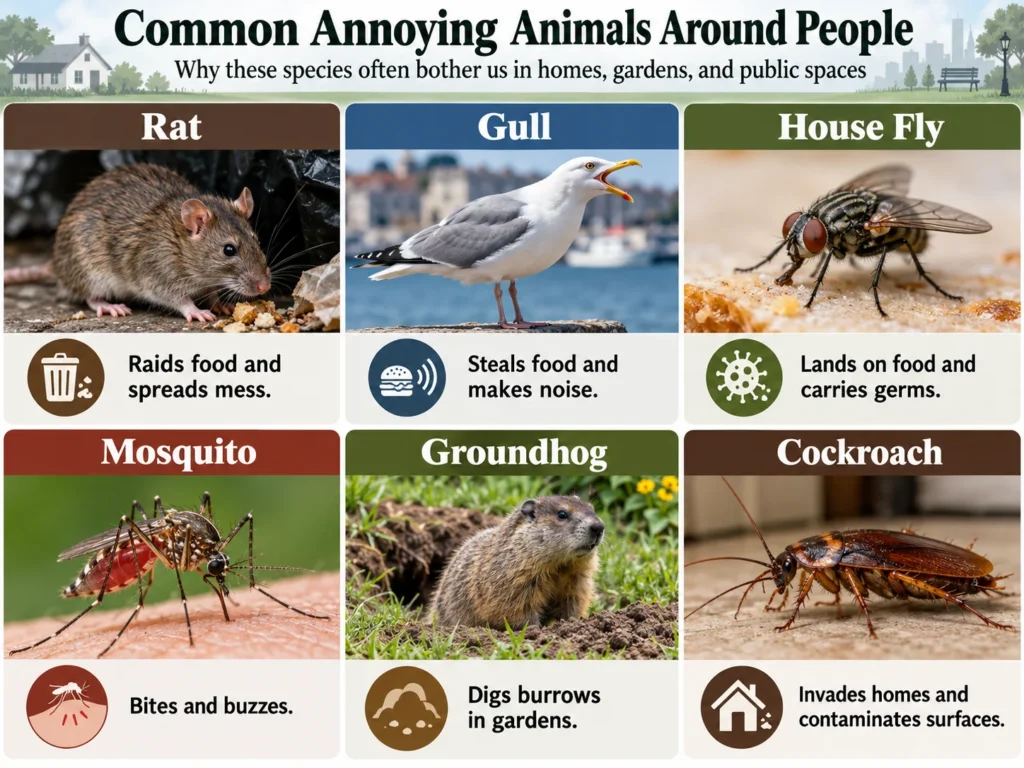
Animals are also capable of learning. When a raccoon successfully opens a bin, a gull receives food from tourists, or a squirrel repeatedly reaches a bird feeder, that successful behavior can be repeated. Regular human feeding can make some wildlife increasingly comfortable approaching people. Over time, the animal may spend less effort searching for natural resources because humans have accidentally created an easier alternative. This is one reason nuisance behavior is often strongest in areas where food, shelter, and human activity overlap.
Which Annoying Animals Are Mostly an Urban Problem?
Pigeons, rats, mice, raccoons, gulls, and foxes are particularly associated with towns and cities in parts of their ranges because urban environments offer resources they can exploit. Not all members of these species live around humans, however. Raccoons also occupy forests and wetlands, foxes live in many natural habitats, and gulls are strongly associated with coastal environments. Calling them “urban animals” therefore describes only part of their ecology. Their success in cities shows how flexible some species can be when new opportunities appear.
Frequently Asked Questions
What Is the Most Annoying Animal?
There is no scientifically established most annoying animal because annoyance is subjective. Mosquitoes, flies, rats, pigeons, gulls, and other nuisance species may rank differently depending on where a person lives and which animal behaviors affect them most.
Why Do Some Animals Keep Coming Back to People?
Animals often return because they have found a reliable source of food, water, shelter, or protection. If an encounter repeatedly provides a reward, some species can learn to revisit the same location.
Are Annoying Animals Always Dangerous?
No, many animals that irritate people are not inherently dangerous. Cicadas, for example, can produce extremely loud calls, while squirrels may raid feeders without presenting the same type of risk as an animal capable of transmitting disease or causing injury.
Why Do Animals Raid Trash?
Trash provides an easy and concentrated source of food. Raccoons, foxes, rats, gulls, and other adaptable animals may learn that rubbish containers offer predictable meals requiring less effort than searching for natural food.
Can Animals Become Less Afraid of Humans?
Yes, some animals can become more tolerant of people after repeated non-threatening encounters, particularly when humans provide food. This process can make wildlife more likely to approach people or remain in busy areas instead of immediately retreating.
Final Thoughts
Animals considered annoying are usually doing ordinary things such as feeding, communicating, nesting, defending themselves, or searching for shelter. Many conflicts become noticeable because human environments provide unusually attractive opportunities. Understanding the behavior behind the nuisance gives a much more accurate picture than simply labeling an animal as troublesome.

One Comment